

Announcing CampSafe Level 2

NEWS RELEASE
February 6, 2026
For immediate release
Media contact: Cara Scarola Hansen
Center for Child Counseling Public Relations Counsel
cara@yourmissionmarketing.com

Enhanced Training to Keep Kids Safe at Camp this Summer
Center for Child Counseling’s CampSafe® Training is designed to protect campers and staff from child sexual abuse.

Every year, about 26 million children attend roughly 15,000 day and overnight summer camps across the United States. As spring draws closer, caregivers start to take action and plan how they will fill the nearly three months of summer when their kids are not in school. But how do parents ensure the camps they choose are properly vetted? Center for Child Counseling (CFCC), a Florida-based nonprofit, is doing its part in helping to ensure that camps across the country and around the world are keeping kids safe with its CampSafe®  training program

CampSafe® is a comprehensive, camp-specific online program designed to provide camp leadership and staff with the awareness and knowledge needed to prevent child sexual abuse. With summer around the corner, CFCC announces CampSafe® Level 2 for those camps that have been participating in CampSafe® training for three or more years.  

These are the facts. Every nine minutes, a child is a victim of sexual abuse and assault (rainn.org). Of those children who are sexually abused, 90% are abused by someone they know and trust. A CBS News report identified at least 578 child sexual abuse victims from camps spanning from 1960-2018. It is noted that given the reality of disclosure delays and nondisclosures, this real number of abuse cases is likely much higher. 

Sexual abuse can have long-lasting physical and emotional effects, including: depression, eating disorders, self-blame, self-destructive behaviors, intergenerational cyclical abuse, learning disabilities, drug abuse. 

“As devastating as this public health crisis is, sexual abuse and these long-term effects can be prevented through education. We created CampSafe®  as part of our beKidSafe program  to make it easy for all camp staff–young adults and grown adults, alike–to become trauma-aware and recognize and stop childhood trauma and abuse in its tracks.” stated Renée Layman, CEO for Center for Child Counseling.

For summer 2025, over 15,000 camp staff across 180 camps in 42 states and 20 countries participated in the CampSafe® training program. Close to 50,000 campers were protected and kept safe. 

The goal is for all staff, including counselors, administrators, supervisors, dining and health personnel, volunteers, and board members to arrive at camp with the same strong foundational knowledge of child sexual abuse prevention and awareness.

“Our philosophy is to empower caregivers in all settings with a level of confidence around this topic, therefore better protecting all staff and campers. Training staff and volunteers helps break the cycle of child sexual abuse and prepares staff to be active participants in abuse prevention,” said Cherie Benjoseph, CFCC director of national outreach and education and creator of the CampSafe® curriculum.

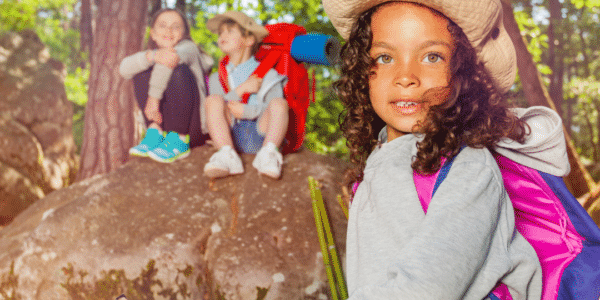
The program was created with young adults, ages 18-26, as well as seasoned staff in mind to take the topic seriously but not instill fear. The training promotes compassion toward campers as staff become fluent in the language of safety while providing comfort, aide, and access to supervisory staff for guidance. 

From setting healthy boundaries to ensuring the entire camp team has a consistent safety protocol, CampSafe® training provides scenarios, interactive learning, and clear safety language for staff. Director training modules include: screening, interviewing, and onboarding best practices; protection policy guidelines; mandated reporting; supervision through a prevention lens; pre-camp week in-person training plan; prevention for campers with special needs; scripts for teaching healthy boundaries; communication templates for staff and parents; and certification testing & documentation. 

“In response to 99% of camps reporting the importance of reinforcing this training year after year, we decided to create the next level of training for seasoned staff. CampSafe Level 2 supports camp staff in putting their knowledge and skills into action,” stated Benjoseph.


This next level enhanced training allows staff to work through a variety of realistic situations, including: counselor-to-camper, camper-to-camper, and counselor-to-counselor interactions and concerns; sexual harassment; boundary violations; and disclosures of abuse at home. 

The CampSafe® program was developed by professionals with expertise in sexual abuse prevention and training. The training is designed to empower all camp personnel, gently but thoroughly, before camp begins.

“Training that focuses squarely on sexual abuse prevention sends a clear message that your camp has zero tolerance for abuse. It helps deter individuals with the wrong motives and ensures a safe, supportive environment for every camper,” added Benjoseph. 

CampSafe® is endorsed by the American Camp Association and approved by the Texas Department of State Health Services. It can be provided to all camp staff for a nominal fee, ranging from $300-$1,200 depending on the number of staff members being trained. 

For camp associations, camp directors, parks and recreation departments, and school districts interested in learning more about how to be proactive in preventing and responding to child sexual abuse at your day or overnight camp, visit bekidsafe.org/camps or email bekidsafe@centerforchildcounseling.org.

About Center for Child Counseling
Center for Child Counseling has been building the foundation for playful, healthful, and hopeful living for children and families in Palm Beach County since 1999. Its services focus on preventing and healing the effects of adverse experiences and toxic stress on children, promoting resiliency and healthy family, school, and community relationships. www.centerforchildcounseling.org Twitter: @ChildCounselPBC Facebook: @CenterforChildCounseling Instagram: @childcounselpbc

About Cherie Benjoseph, CFCC director of national outreach and education and creator of the CampSafe® curriculum:
Cherie Benjoseph, LCSW, has dedicated her career to protecting children and strengthening camps and families through primary prevention, education, and advocacy. She earned her MSW from Boston University and has 30+ years of experience in camps, schools, and communities. In 2009, she co-founded KidSafe Foundation, focused on preventing child sexual abuse, and created CampSafe®,, which has trained 40,000+ camp staff nationwide. Cherie empowers camp staff and leadership with proactive tools to prevent abuse. As Director of National Outreach and Education at the Center for Child Counseling, she helps build trauma-informed systems. She also serves on the board of the National Coalition to Prevent Child Sexual Abuse and Exploitation. A seasoned national speaker, Cherie promotes open dialogue on safety and prevention. She believes that through education, collaboration, and community, a world free from child sexual abuse is achievable.

###

We Must Uphold the Systems Protecting Our Children: Invest Now, Save Later

January 21, 2026
For immediate release
Media contact: Cara Scarola Hansen
Center for Child Counseling Public Relations Counsel
cara@yourmissionmarketing.com

We Must Uphold the Systems Protecting Our Children: Invest Now, Save Later
By: Renée E. Layman, LMHC, Chief Executive Officer of Center for Child Counseling

In the face of federal funding uncertainty that has plagued our nation’s social services sector over the last year, our children’s health was recently on the line when the federal government wiped out $2 billion in addiction and mental health grants and then rolled back the decision less than 24 hours later. 

As the CEO of a local nonprofit agency that operates programs underwritten by a variety of funding streams and grants, including SAMHSA (Substance Abuse and Mental Health Services Administration), we must not turn our backs on the support services we are providing our children: they are our nation’s future.  

At Center for Child Counseling, the federal funding we receive allows us to partner with Florida State University to support children and families in Palm Beach County. We address the unmet mental/behavioral and social services needs of children, adolescents, and families who have experienced trauma.   

The funded project helps build community capacity to provide trauma-informed care in child-serving systems through training and consultation for system providers, professionals, and caregivers. We are able to focus on communities in Palm Beach County where there are significant numbers of children and families facing adversity and trauma and critical gaps in resources, including trauma-informed care and treatment. 

This funding is crucial to expanding our public health approach to prevent and heal the effects of adverse experiences and toxic stress on children and families in our community, while building positive childhood experiences. We are able to support children and families facing persistent challenges, including those related to economic stress, crime, housing instability, physical and/or emotional stress, lack of preventative care to address the impact of multi-generational and ongoing complex trauma, and lack of access to effective trauma treatment. 

Like one in six Americans, 42% of children surveyed at one of our partner schools in Palm Beach County have four or more adverse childhood experiences (ACEs). Without intervention, these children are twice as likely to develop heart disease or cancer, roughly four times as likely to have a teen pregnancy, and 30 times as likely to contemplate suicide as their classmate with no ACEs.

We know the cost of ACEs to society. A CDC study published in 2023 associated ACEs with an annual economic burden of $14.1 trillion in the United States, and nearly $800 billion per year in Florida alone. 

The federal monies we receive are crucial for advancing our understanding of mental health, disrupting generational cycles of trauma, and developing effective interventions. By combining our resources and expertise, we can foster opportunities that will drive significant improvements in mental health outcomes for all children in Palm Beach County. 

We prevent the trauma our children are experiencing now from metastasizing into serious and expensive health outcomes down the road. We must uphold and continue investing in the systems helping and protecting our children. This will save them and us later.  

Renée Layman is CEO of Center for Child Counseling which has been building the foundation for playful, healthful, and hopeful living for children and families in Palm Beach County since 1999. For more information on how the Center is preventing and healing the effects of adverse childhood experiences and trauma, visit centerforchildcounseling.org.  

###

Renée Layman Appointed as FAIMH President

NEWS RELEASE
March 18,  2025
For immediate release
Media contact: Cara Scarola Hansen
Center for Child Counseling Public Relations Counsel
cara@yourmissionmarketing.com

Renée Layman Appointed as FAIMH President
Layman continues to advance infant and early childhood mental health with service to Florida Association for Infant Mental Health.

Renée E. Layman, MS, LMHC, was recently appointed as President of Florida Association for Infant Mental Health (FAIMH) Board of Directors. Layman previously served as the vice president, alongside Past-President Dr. Harleen Hutchinson, in leading the nonprofit with further advancing infant and early childhood mental health. 

“As a children’s mental health leader in her community, Renée has a legacy of promoting and protecting the mental health of children. We look forward to her stewardship and vision guiding the FAIMH Board of Directors into 2025,” stated FAIMH Executive Director Dr. Christine Hughes.

Layman has long served FAIMH, joining the board in 2018 and leading the FAIMH Palm Beach Chapter for many years prior.

FAIMH strives to build a community where all children in Florida will be nurtured, emotionally healthy, and ready to learn, to develop, and to reach their full potential. FAIMH achieves this by supporting and strengthening the infant and early childhood mental health workforce to better serve the young children and families of Florida together with its local FAIMH Chapters.

Layman is a Licensed Mental Health Counselor with almost thirty years of experience in mental health. As President and Chief Executive Officer for Center for Child Counseling (CFCC) since 2013, she has spearheaded significant initiatives in child and family mental health–specifically related to trauma-informed care and the prevention, awareness, and healing of adverse childhood experiences (ACEs).

Layman’s leadership extends well beyond her work at CFCC. She is the past co-chair of the FAIMH Palm Beach and Martin County Chapter, continuing to serve in a mentoring role for the current chairs. She is past co-chair of the Leadership Palm Beach County Engage program (2014-2016), volunteering with the organization for more than six years. She is the past president of the Nonprofit Chamber of Palm Beach County and continues to serve on their board to support local nonprofits. She chairs PBC’s Birth to 22 Trauma Sensitive Community Leaders Education subcommittee. She is also on the Board of Directors of the Florida Network for Youth and Family Services, a not-for-profit statewide organization representing more than 30 agencies that serve homeless, runaway, and troubled youth ages six and older and their families.   

Layman commented, ”I hope to continue to advance infant and early childhood mental health in Palm Beach County and across Florida. The work of FAIMH directly connects with Center for Child Counseling’s; so, aligning efforts to focus on prevention and building capacity, especially in light of the youth mental health crisis, is essential.” 

In recognition of her work, Renée received the Women in Leadership Award (WILA) from Executive Women of the Palm Beaches and Leadership Palm Beach County’s President’s Award in 2021, was recognized as Palm Beach County’s Nonprofit Executive of the Year in 2017, and received Delta Sigma Theta Sorority’s Women of Excellence: Health & Wellness Award in 2011.

Layman has been a passionate advocate for child and family mental health, bringing innovative programs and services for some of the most pressing issues facing vulnerable children and families in Palm Beach County. Under her leadership, Center for Child Counseling has grown to fill critical gaps in children’s mental health in Palm Beach County, using a public health approach that focuses on prevention and early intervention. As a FAIMH board member, she works with leaders statewide to improve the system of care for babies and young children across Florida.

“Infant and early childhood is at the foundation of lifelong health and wellness. FAIMH is working directly with system professionals and organizations so they have effective ways to support babies and young children facing adversity and trauma. I serve to build Florida’s capacity to build healthy families and communities–for a healthier future,” said Layman.

Layman will lead the board with Adam Baptiste, MD, who is stepping into the role of vice president. 

The FAIMH Board of Directors includes: Dr. Christine Hughes (Executive Director), Renée Layman (President), Dr. Harleen Hutchinson (Immediate Past-President), Adam Baptiste, MD (Vice President), Stacey Blume, Charmian Miller (Treasurer), Amy Blechman, Douglas Brown, Maria José Horen, Dr. Maite Schenker, Julie Smythe, and Dr. Kristie Skoglund. 

About Center for Child Counseling:

Center for Child Counseling has been building the foundation for playful, healthful, and hopeful living for children and families in Palm Beach County since 1999. Its services focus on preventing and healing the effects of adverse experiences and toxic stress on children, promoting resiliency and healthy family, school, and community relationships. www.centerforchildcounseling.org Twitter: @ChildCounselPBC Facebook: @CenterforChildCounseling Instagram: @childcounselpbc

###

Navigating the Impact of the Election on Children’s Mental Health

In the final sprint to the White House, phones are relentlessly pinging with donation requests, social media feeds are slammed with propaganda and righteous opinions, TV ads are slandering opponents, media sources are generating non-stop election news stories. Election season can be a challenging time for everyone, as both adults and children feel the heightened energy, stress, and uncertainty that accompany national conversations and news cycles.

Regardless of whether children are directly involved in political discussions, they are nonetheless affected by the surrounding atmosphere, often absorbing the emotions and conversations taking place around them. Children notice changes in their surroundings, which may be marked by increased tension, polarized conversations, or disruptions in routines as adults become preoccupied with election-related matters. The effects of elections on mental health can differ significantly based on age, media exposure, and individual sensitivity to stress or conflict.

It is crucial for parents, educators, and caregivers to proactively support children's mental health during these periods, fostering an environment where they feel safe and heard. Adults can take proactive steps to help children process and understand the election season while prioritizing their mental health and sense of security.

  • Encourage open dialogue: let children know they can ask questions about anything confusing or troubling they hear. Explain situations in a way that suits their age and maturity level. For instance, you might say, “Grown-ups are making important decisions, and sometimes that can make us feel a little nervous. It’s okay to talk about it.”
  • Limit media exposure: to prevent overwhelming emotions, consider reducing children's exposure to news and social media, especially for younger kids. Instead, engage in calming activities like family reading time, creative projects, or outdoor play.
  • Teach healthy stress management: practicing stress-management techniques as a family can equip children to handle stress better. Activities like mindfulness exercises, breathing techniques, and regular physical activity can help everyone stay connected during tense times.
  • Create a sense of stability: maintaining routines and consistent family time provides children with a sense of safety and predictability. Family dinners, weekend outings, or daily rituals can offer comforting structure, helping to mitigate stress.
  • Model emotional regulation: children look to adults as examples for handling emotions. By modeling calm and respectful conversations—even around challenging topics—parents can demonstrate constructive engagement with complex issues. Acknowledge worries while also sharing healthy coping strategies.
  • Promote positive community discussions: use this opportunity to emphasize community involvement, kindness, and support. Discuss voting as a way to care for the community and explore volunteer opportunities to show children how collective efforts can lead to positive change.
  • Prioritize adult self-care: supporting children's mental health during high-stress times requires that adults practice self-care as well. Managing your own stress equips you to offer the patience and reassurance children need. Engage in activities that help you maintain balance, whether through exercise, socializing, or setting boundaries with work and screens.

Despite the stress and challenges of election season, it can be an excellent opportunity to introduce children to essential values like community, empathy, and the democratic process. By fostering open communication, consistency, and support, adults can help children feel grounded during this time, equipping them with the tools to manage future stressors in healthy, constructive ways.

Prioritizing these practices ensures children's well-being remains at the forefront, building resilience and encouraging positive engagement with the world around them.

Get the latest news and updates in your inbox!

Select list(s) to subscribe to


By submitting this form, you are consenting to receive emails from: Center for Child Counseling, 8895 N. Military Trail, Palm Beach Gardens, FL, 33410. You can revoke your consent to receive emails at any time by using the SafeUnsubscribe® link, found at the bottom of every email.

10 Ways to Support Your Child’s Mental Health This Summer

Summer is a time for fun, relaxation, and adventure! However, it can also be a period of transition and uncertainty for children. Supporting your child's mental health during this season is crucial for their overall well-being.

Here are ten ways you can help:

1. Encourage Open Communication
Create a safe space for your child to express their feelings and thoughts. Regularly check in with them and listen without judgment. This helps build trust and shows that you value their emotions. For younger children, these feelings are often expressed through their play.

This video includes helpful tips on how to engage in child-centered play with your child.


2. Maintain a Routine
While summer often means a break from the usual schedule, keeping a consistent routine provides a sense of stability. As much as possible, set regular times for meals, activities, and bedtime to help your child feel safe and secure. This is particularly important for very young children, especially before the age of 5. Children thrive on structure and consistency - and it also helps parents by creating a predictable environment that helps children grow emotionally, cognitively, and socially.

3. Promote Physical Activity and PLAY!
Encourage your child to stay active through sports, dance, or even simple outdoor play. Physical activity releases endorphins, which can improve mood, and reduce anxiety. Here are 11 ways to encourage your child to be physically active.

Play is essential because it contributes to the cognitive, physical, social, and emotional development and well-being of your child. Play also offers a great opportunity for you, as a parent or caregiver, to positively engage and interact with your child. Check out our Ways to Play page for fun ideas. We love this resource from the Center on the Developing Child at Harvard University, Brain-Building Through Play: Activities for Infants, Toddlers, and Children. The handout series provides suggestions games and play-based activities based on your child’s age.

4. Limit Screen Time
While it's tempting to rely on screens for entertainment, excessive screen time can negatively impact mental health. Set boundaries and encourage other activities like reading, games, arts and crafts, or outdoor exploration. Have a Nature Scavenger Hunt by making a list of items found in nature, such as leaves, rocks, or flowers. Or conduct simple science experiments such as baking soda and vinegar volcanoes or making a rainbow in a jar. These are fun and educational activities!

The American Academy of Pediatrics (AAP) recommends minimizing or eliminating media exposure, other than video chatting, for children under the age of 18 months. Learn more from the AAP about how media can affect your child.

5. Foster Social Connections
Arrange playdates, group activities, or a trip to the park to help your child stay connected with friends and peers. Social interactions are vital for emotional health and can help reduce feelings of loneliness. Here are 3 ways to help your child build social connection skills.

6. Provide Healthy Nutrition
A balanced diet rich in fruits, vegetables, and whole grains can positively affect mood and energy levels. Involve your child in meal planning and preparation to make healthy eating fun. We love these ideas:

  • Plant a garden with your child and watch it grow! Not only is play in the dirt fun, but your child is more likely to try foods they have grown. Tomatoes, carrots, cucumbers, and peppers are a good place to start.
  • Make cooking a family activity! Talk about your family's food traditions and teach them a favorite recipe.
  • Take a field trip to a farmer's market or local farm to learn more about other types of vegetables and fruits that may not be available at your grocery store.

The AAP has a wealth of information about nutrition for parents and caregivers.

7. Encourage Mindfulness and Relaxation
Teach your child simple mindfulness exercises or relaxation techniques, such as deep breathing or yoga. These practices can help them manage stress and stay calm. Our Loving-Kindness Mindfulness video for kids is a great start!

8. Support Their Interests
Whether it's a hobby, sport, or artistic pursuit, encouraging your child to engage in activities they love can boost their self-esteem and provide a sense of accomplishment.

9. Be a Role Model
Children often mirror the behavior of their parents. Demonstrate healthy coping strategies, positive thinking, and emotional regulation. Showing that you take care of your own mental health sets a powerful example and sets the foundation for lifelong health!

10. Seek Professional Help if Needed
If you notice persistent changes in your child's behavior or mood, don't hesitate to seek professional support.

Supporting your child's mental health this summer doesn't have to be complicated. By incorporating simple strategies into your daily routine, you can help ensure that your child enjoys a happy and healthy summer season. We have put together a rich array of reliable resources for you

Remember, you are not alone in this journey. If you need additional resources or support, don't hesitate to reach out to us or a mental health professional. If you have questions or need additional support, please contact us.

Talking with Children About Sexual Abuse

Tips for Parents and Caregivers

By Cherie Benjoseph, LCSW and Renée Layman, LMHC

Sexual abuse can be a sensitive and difficult topic for us as caregivers to talk with our children about. For adults it can bring up our greatest fears, and in many cases trigger our own memories. But we do not have to feel powerless, we can take many steps that will help strengthen us as adults, not just our children, to lessen the risk of our children being victimized by Child Sexual Abuse (CSA). Starting these steps early (although it is never too late to start!) and using developmentally appropriate language and strategies can empower and protect families.

In this blog, we'll provide some starting points on your journey to making your family KidSafe smart. We will explore appropriate ways for speaking to children about sexual abuse, focusing on key principles and strategies supported by experts in child psychology and sexual abuse prevention.

  1. Trusted Adults Need to Get Educated First: What is it exactly that I am trying to prevent? What are the chances this could happen to my child? I am a survivor, is this impacting how I parent?
  2. Start Early and Keep it Age Appropriate: Research shows that initiating discussions about personal safety from an early age can help children develop a positive understanding of body safety and boundaries. The words we choose are important. When we are speaking to children we do not use the words child sexual abuse at all. In fact, we teach all of body autonomy, consent and personal safety from a place of fun, not fear. It's essential to tailor conversations to the child's age and cognitive abilities, using language and concepts they can comprehend. For younger children, discussions may focus on basic body safety rules, while older children can engage in more detailed conversations about consent and healthy relationships.
  3. Personal safety is Part of Everyday Parenting: Just like you teach car safety, kitchen safety, pool safety, personal safety comes up in our natural parenting. Regularly reinforce important messages about body safety, boundaries, and the importance of speaking up if something feels wrong. Much of the learning opportunities occur between siblings and other family members. This is an excellent opportunity for children to practice using their voice to say “no”, or “I want to stop”, to a touch (tickling, a hug, roughhousing). Children who learn to speak up, and have the support of their grown-ups when they do, feel valued. This is how we build skills of resilience.
  4. Promote Healthy Sexuality: In addition to discussing boundaries and safety, it's important to promote healthy attitudes towards sexuality. Teach children to respect their bodies and the bodies of others, emphasizing the value of consent, empathy, and communication in relationships. By fostering a positive and open attitude towards sexuality, children are better equipped to recognize and reject harmful behavior. Many adults were raised to feel shame about our bodies, how it functions and that it is not okay to ask questions. We need to change this attitude as we raise children today. No shame.
  5. Teach Correct Names for Body Parts: This is a simple yet very powerful step to take to strengthen the safety of your child. Using anatomically correct names for body parts helps reduce confusion and empowers children to communicate clearly about their bodies. Predators are looking for kids who do not have an open and trusting relationship with their caregivers. Children who are comfortable with using the proper names for their body parts, and can comfortably go to their parent and say, I have a rash on my vulva, in the same tone as they would say I have a rash on my arm, are empowered. They are being raised with respect for their bodies, which leads to a strong sense of body autonomy. This knowledge also reinforces that certain body parts are private and should not be touched by others. If a child says, “Don’t touch my chest.” (or any other private part), it puts the offender on alert that this is an educated child and is not going to be an easy target.
  6. Establish Touching Boundaries and Privacy Rules: Help children understand that they have the right to set boundaries around physical touch and personal space. Encourage them to assertively say "no" to unwanted touch and respect others' boundaries as well. Establish clear privacy rules in the home and reinforce the importance of respecting privacy both at home and in public settings. Have fun practicing these skills in your home. Each families rules and understanding of when to establish privacy for children will be different. Listen to your children, they will often indicate when they are ready for more privacy. Respecting their boundaries is key.
  7. Address Perpetrator Tactics: Educate children about common tactics used by perpetrators to keep them silent, such as secrets, tricks, and threats. Encourage children to trust their instincts and speak up if someone makes them feel uncomfortable, especially if they've been told to keep it a secret.
  8. Educate Beyond "Stranger Danger": Teaching a child stranger danger does not teach them any safety skills. The reality is they need to learn about people’s behavior. Sometimes we refer to these people as tricky people. These are difficult concepts for children to understand. The bottom line is that we must create an environment that your children can talk to you about anything that makes them confused, worried, or afraid. And we need to be ready to listen and take appropriate steps. Research shows that approximately 90% of sexual abuse cases involve perpetrators known to the child, such as family members, friends, or caregivers. Emphasize the importance of speaking up to a trusted adult about anything that is bothering them, no matter who it is that is making them uncomfortable.
  9. Address Vulnerable Situations: Discuss potential vulnerable situations with children, including online interactions, social media, and peer pressure scenarios. Teach children how to recognize and respond to unsafe situations both online and offline, emphasizing the importance of seeking help from a trusted adult if they feel at risk. Play the What if? Game. (Does your school have the Stay KidSafe program?).
  10. Give Permission to Tell: Above all, empower children to speak up and seek help if they experience or witness someone hurting someone or inappropriate behavior. Let them know that they will not get in trouble for disclosing information and that they have the right to protect their bodies and seek support from trusted adults.

Having open and honest conversations about sexual abuse is essential for empowering children to recognize and respond to unsafe situations. By starting early, using developmentally appropriate language, and reinforcing key messages, parents and caregivers can help children develop the knowledge and skills they need to stay safe and advocate for themselves.

It's crucial to create a supportive environment where children feel comfortable asking questions, expressing concerns, and seeking help when needed. With education, communication, and support, we can work towards preventing sexual abuse and promoting the well-being of all children.

Resources


Receive beKidSafe information and resources in your inbox.

Select list(s) to subscribe to


By submitting this form, you are consenting to receive emails from: Center for Child Counseling, 8895 N. Military Trail, Palm Beach Gardens, FL, 33410. You can revoke your consent to receive emails at any time by using the SafeUnsubscribe® link, found at the bottom of every email.

The Vital Role of Play for Children

By Renée Layman, LMHC, President and CEO

Play is not just a fun pastime for children; it's a fundamental part of childhood that shapes development across multiple domains. From fostering social skills to enhancing cognitive abilities, play serves as a cornerstone in nurturing healthy growth and well-being in children.

The American Academy of Pediatrics stresses the importance of play in strengthening the parent-child bond and for children living in poverty. Information from Harvard Center on the Developing Child  underscores the significance of play in supporting responsive relationships, strengthening core life skills, and reducing sources of stress.

Play Supports the Development of Healthy Relationships

Play plays an important role in supporting healthy, responsive relationships and promoting Positive Childhood Experiences (PCEs) which research shows can mitigate the impact of Adverse Childhood Experiences (ACEs) and trauma. Play provides a natural avenue for children to form connections with caregivers, peers, and their environment.

Through play, children learn to communicate, collaborate, and negotiate with others, laying the foundation for healthy relationships later in life. As children engage in self-directed, imaginative play they develop empathy and self-regulation skills—essential for building strong and supportive bonds with others.

Strengthening Core Life Skills

Play is also instrumental in strengthening the core life skills related to success. Whether it's building towers with blocks, playing dress up and role-playing, or engaging in physical activities, play offers opportunities for children to develop essential cognitive, motor, and socio-emotional skills.

Research shows that play-based learning experiences are linked to improved problem-solving abilities, creativity, and self-confidence. By engaging in play, children explore, experiment, and learn from their experiences, honing skills that are essential for navigating life's challenges.

Play Reduces Stress

The past few years have caused significant stress and anxiety for children and their families. In the face of a children's mental health crisis, we need to find effective ways to reduce stress. Play serves as a natural stress reliever, offering children a safe space to express themselves, release tension, and process difficult emotions. Parents can support children by 'directing' some of the play through the toys offered. For example, if your child gets anxious about going to the doctor, a doctor’s kit and toys can help them express and work through feelings.

Unstructured play promotes stress reduction by activating the brain's reward system and lowering cortisol levels, the stress hormone. By engaging in play, children can escape from daily pressures, recharge their minds, and develop resilience in the face of adversity.

 At Center for Child Counseling, play is at the foundation of our work with children. Our staff have ongoing training in Play Therapy and we are credentialed through the Association for Play Therapy, which sets the national standards for training and practice.

For children who may not be able verbally express abuse or trauma, toys become their words. Through play, children give us a glimpse into their world, work through problems, develop healthy coping skills, and heal after traumatic experiences.

Play Resources for Parents and Caregivers

As parents, caregivers, and educators, it's important to recognize the importance of play in children's lives and prioritize opportunities for unstructured, imaginative play in their daily routines. By embracing play as a vehicle for learning and growth, we can empower children to reach their full potential.

We have developed an array of resources to support parents and adult caregivers of children. Through Ways to Play, we offer practical information and strategies to promote play that nurtures positive relationships, resilience, and well-being.

Resources:

Speak Up and Demand Schools Play a Role in Sexual Abuse Prevention

By Renée Layman, LMHC, President and CEO

Sexual Abuse: A Public Health Crisis

The statistics are alarming. Every nine minutes, a child is a victim of sexual abuse and assault (rainn.org). It is astounding that our home state of Florida ranks third in the nation in calls to the National Human Trafficking hotline. 70 to 90 percent of commercially exploited youth have a history of child sexual abuse.

We hear about it far too often–family members, friends, neighbors, teachers, coaches, pastors, priests, political, and business leaders are charged with sexual assault. Awareness of these offenders and those victims being grotesquely violated and trafficked is not enough: the abuse needs to be stopped before it happens and our schools must play a role in this prevention.

One in four girls and one in thirteen boys will report they were sexually abused by the age of 18. Sexual abuse and human trafficking can have long-lasting physical and emotional effects, including: depression, eating disorders, self-blame, self-destructive behaviors, intergenerational cyclical abuse, learning disabilities, and drug abuse.

The Numbers

A Public Health Crisis Demands a Public Health Approach

As devastating as this public health crisis is, sexual abuse and these long-term effects can be prevented through education. 28 states, including Florida, and D.C. have passed legislation mandating instruction within schools on child sexual abuse awareness and prevention, as of January 2023. Unfortunately, 14 states have no laws in place. Every educator and every student across the United States should be equipped with the knowledge needed to prevent child sexual abuse. It is necessary to implement a public health approach to make a seismic difference in stopping abuse and human trafficking in its tracks.

Such an approach includes creating a system of awareness, education, prevention, support, and treatment in communities. Like the public health approach model used for wearing seat belts to prevent injury and death, we must change the societal behavior and norms around sexual abuse in order to alter society for the better. The long-term health and safety benefits of increasing trauma-aware adults has a direct correlation to decreasing all types of child abuse–sexual along with physical, emotional, and neglect. In turn, this can lead to higher educational achievement, less involvement with the criminal justice system, and better physical health and social outcomes overall.

Educational institutions play a critical role in reaching our students and teachers and beyond to our parents, families, and communities. We must use our schools as the grounds for preventing sexual abuse and breeding positive childhood experiences and positive community experiences.

Intervention and prevention must start in early childhood and continue through elementary, middle, and high school. The comprehensive public health approach to addressing child sexual abuse within schools includes: trauma-informed training and education for our teachers, parents and adult caregivers; quality health education for our students and teachers, inclusive of sexual abuse awareness and prevention; connecting students to mental healthcare professionals for treatment, either within or outside the school walls; increasing the capacity for students to access mental health services; and creating environments where students feel connected and supported.

As the CEO of Center for Child Counseling, a nonprofit that supports schools, teachers, students, and caregivers, we embrace this public health model and want to ensure every student across the United States is protected and safe from abuse. We recently launched bekidsafe.org–a platform for educators and other child-facing professionals to easily access online training programs and workshops to learn how to keep children safe through effective strategies that prevent abuse, build safety and communication skills, promote positive relationships and resilience, and identify risk early.

Rely on a research-based program like Stay KidSafe!™, which is approved by the School District of Palm Beach County, or look to your local community to determine if there are groups you can partner with, to teach your students safety tools and skills to empower them to make safe and smart choices in all areas so they can grow up to be healthy, powerful adults.

The overall health, wellness, and protection of children in today’s challenging times should not be left to families to struggle in isolation. Feeling safe and protected is vital to a child’s development.

Whether you’re a fellow community leader, educator, parent, or adult interacting with children in any capacity, join me in changing the trajectory of this public health crisis. Find out what the schools in your community are doing to support the health and protection of their students. Encourage your teachers and school leaders to seek the proper training and provide the necessary resources to promote healthier families, schools, and communities where every child is safe from abuse.

Receive beKidSafe information and resources in your inbox.

Select list(s) to subscribe to


By submitting this form, you are consenting to receive emails from: Center for Child Counseling, 8895 N. Military Trail, Palm Beach Gardens, FL, 33410. You can revoke your consent to receive emails at any time by using the SafeUnsubscribe® link, found at the bottom of every email.

Impact the Palm Beaches awards $100,000 to Prevent and Heal Child Sexual Abuse

NEWS RELEASE
May 2, 2023
For immediate release
Media contact: Cara Scarola Hansen
Center for Child Counseling Public Relations Counsel
cara@yourmissionmarketing.com 

Center for Child Counseling Receives Grant to Prevent and Heal Child Sexual Abuse
Impact the Palm Beaches awards $100,000

(Palm Beach Gardens, FL)–Impact the Palm Beaches recently awarded a $100,000 grant to Center for Child Counseling (CFCC) for keeping kids safe by preventing and healing child sexual abuse. 

Child sexual abuse is a leading health concern facing children today. About one in 10 children will be sexually abused before they turn 18. Of those children who are sexually abused, 90% are abused by someone they know and trust. 

To tackle this crisis, in October of 2022, Center for Child Counseling officially merged with KidSafe Foundation–an organization with more than 13 years of expertise in education of sexual abuse. As a program now under the CFCC umbrella, KidSafe is expanding to provide more education to prevent child sexual abuse. 

With the support of the Impact grant, Center for Child Counseling will provide 14 Palm Beach County schools with Stay KidSafe©–an age-appropriate curriculum that simplifies the sensitive topic of child sexual abuse and trafficking prevention with a fun, interactive program that teaches children protective skills from a place of empowerment, not fear. The program will give children concrete tools and skills to stay safe. Children will  learn to recognize their feelings, go to their “safe adults,” and speak assertively when they feel uncomfortable. The training will extend to parents, guardians, and teachers–making them better vanguards of safety for children. Adults will learn how to: communicate safety awareness and provide skills to children; build their capacity to spot the signs of sexual abuse; and have open conversations about safety. This program implementation will impact over 7,000 children and over 4,000 adults in the county.

“Thanks to this Impact award, we are tackling the public health crisis of child sexual abuse in Palm Beach County with prevention and early intervention, because every child deserves to grow up feeling safe. We believe that every child must have the KidSafe program. Our dream is big but Impact the Palm Beaches is helping us take a major step to make it a reality,” stated Renée Layman, CEO of CFCC.

The KidSafe program is also available to the more than 7,500 children served annually through CFCC’s clinical programs. Furthermore, it will be integrated into CFCC’s Childcare and Community Social-Emotional Wellness Program–funded by Impact the Palm Beaches in 2019–which is provided onsite in 30 partner childcare centers and elementary schools. Through a collaborative agreement with the School District of Palm Beach County, the curriculum will be available to every elementary school in Palm Beach County at no charge. 

For more information on Center for Child Counseling’s KidSafe program, visit www.centerforchildcounseling.org/kidsafe.  

About Center for Child Counseling:

Center for Child Counseling has been building the foundation for playful, healthful, and hopeful living for children and families in Palm Beach County since 1999. Its services focus on preventing and healing the effects of adverse experiences and toxic stress on children, promoting resiliency and healthy family, school, and community relationships. As of October 2022, KidSafe now operates under Center for Child Counseling as the two entities are now stronger together in their education and prevention of child sexual abuse and childhood trauma. www.centerforchildcounseling.org Twitter: @ChildCounselPBC Facebook: @CenterforChildCounseling Instagram: @childcounselpbc

PHOTO IDs:

Photo credit: Capehart Photography
142: Center for Child Counseling leadership team and members of the board of directors.
148: Impact President Lisa LaFrance, CFCC Chair of the Board of Directors Dr. Eugenia Millender, CFCC CEO Renée Layman, CFCC Treasurer and Secretary Jeffrey Petrone, Impact Immediate Past President, Lauren Sterlacci.

###

Keeping Kids Safe at Camp


Camp Safety Tips

By Cherie Benjoseph, MSW, LCSW, Child Safety Expert, Director of National Outreach

If you could go back to any age what would it be? The first thing that comes to my mind is my amazing summers at sleep-away camp, starting at age 8 (yep, you read that right). Many who know me might be surprised that I am a huge supporter of sending kids to overnight camp. But yes, I am – provided that camp is properly vetted for safety. That’s where you come in.

The KidSafe philosophy is to empower children and families with skills for a lifetime, so that kids can spread their wings and fly and parents can feel confident their kids can manage whatever comes their way. This includes not missing out on the benefits of attending camp (day or overnight).

So, are you contemplating the big step of sending your child off to camp for a week, a month, even two months? Will you send them to a camp you went to as a child? To a camp you found online? To one a friend or neighbor raved about? So many questions. How to get the answers you need?

As you make these decisions, we ask that you take a step back and consider how best to choose a camp for your child. We ask that you look beyond the glossy website photos and consider whether a camp makes safety their number one priority. And not just water and recreation safety.

Often when researching a camp, we focus only on a child’s special interests, say sports, or theater, or horses, or IT, or culinary arts. Or perhaps the camp is located in a preferred part of the country or has a specific religious affiliation that feels right to you. All of these items are important – but don’t forget to ask the tough questions about safety. Questions similar to those you would ask when vetting a potential new hire. Don’t assume that the camp you are considering is doing the same level of screening you would expect or want.

As you research camps, consider the following:

Meet the camp director. Your child will be in that person’s care. Do this in person or by video. Ask direct questions, such as:

  1. How and from where is your staff recruited? What is your screening process? (Does the camp check employment histories? Seek references? Retain employees from one season to the next vs constant staff turnover? Conduct in-person or video interviews with individuals seeking employment)?
  2. Confirm that the camp does a national criminal fingerprint background check. (If a camp only provides a background check without detailed screening, that signals lack of due diligence in their hiring practice).
  3. Is each staff member screened through the National Sex Offender Registry? (This includes all counselors, admin, dining, maintenance, and anyone else on camp premises).
  4. Ask if the camp has a Child Protection Policy. This is a policy that all staff sign which includes codes of conduct, clear policy on sexual misconduct, and procedures to be followed in response to reports of abuse. It is always a good idea to request a copy of a camp’s Child Protection Policy.
  5. Ask what type of training the staff receive regarding:
    • Sexual abuse intervention, prevention, and reporting
    • Bullying intervention and response
    • Child abuse, both physical and emotional
  6. What type of supervision do you provide to the staff who are minding your campers?
  7. If camper or staff member wishes to report a concern, what are your procedures for facilitating such reports and for appropriate follow-up?
  8. Are you licensed by the state? If so, may I obtain a copy of your license?
  9. Are you accredited by the American Camp Association? If so, may I obtain a copy of ACA certification?

Having this kind of conversation with a camp director will help you determine whether a camp not only offers awesome activities and food but is also built on a solid foundation of professionalism and thoughtful camp philosophy.

Center for Child Counseling specializes in training adults working with children at camp. If you have a specific camp in mind, ask if it is CampSafe® Trained. If you would like to share information about CampSafe® training with a particular camp, you can do so by providing that camp with this link: www.centerforchildcounseling.com/campsafe.

Receive CampSafe® information and resources in your inbox.


By submitting this form, you are consenting to receive emails from: Center for Child Counseling, 8895 N. Military Trail, Palm Beach Gardens, FL, 33410. You can revoke your consent to receive emails at any time by using the SafeUnsubscribe® link, found at the bottom of every email.
Social media & sharing icons powered by UltimatelySocial