Renée Layman Honored as Non-Profit Woman of Worth

NEWS RELEASE
September 2, 2026
For immediate release
Media contact: Cara Scarola Hansen
Center for Child Counseling Public Relations Counsel
[email protected]
Renée Layman Honored as Non-Profit Woman of Worth for Transforming Children’s Mental Health in Palm Beach County
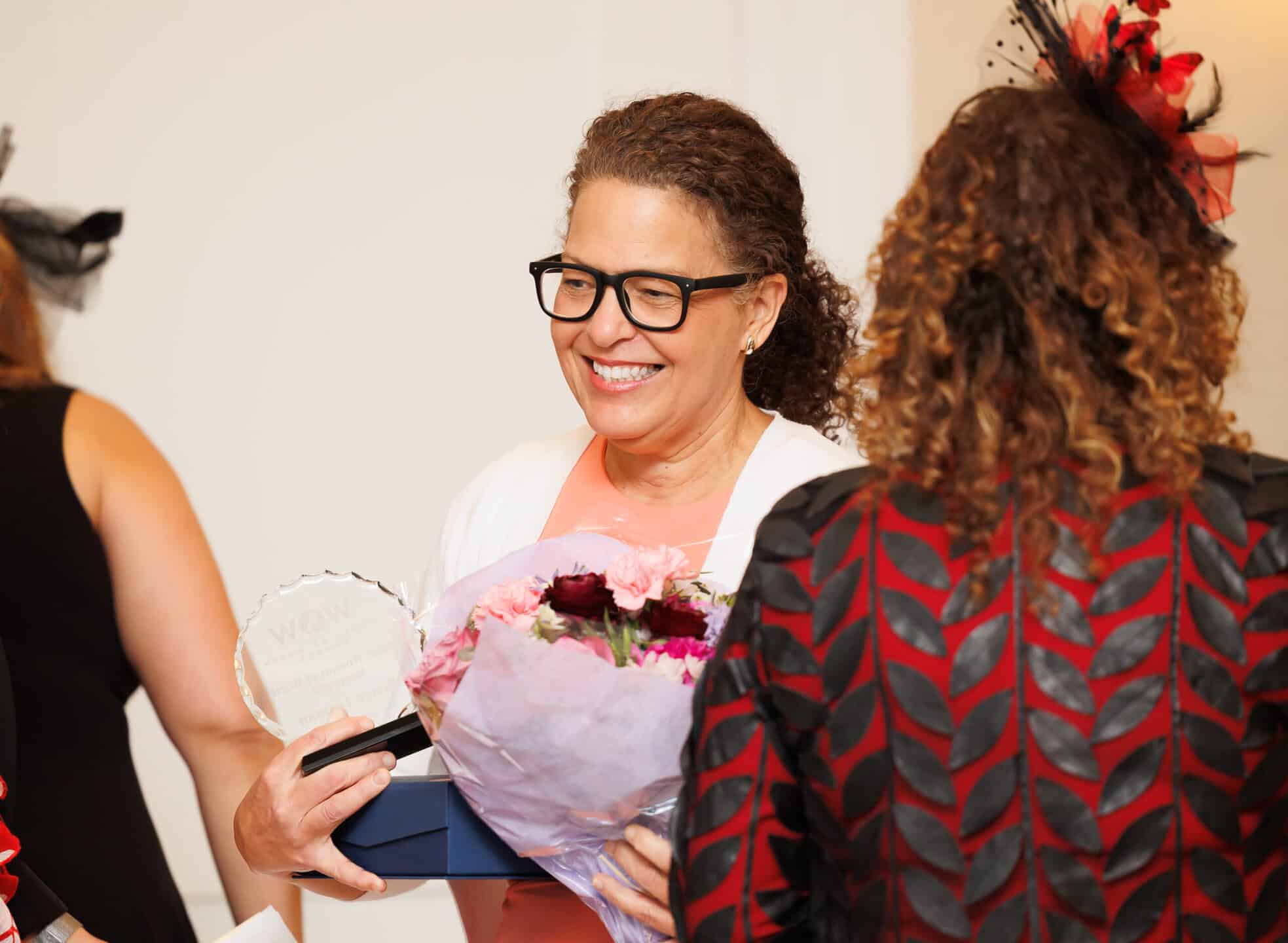 Renée Layman, President and CEO of Center for Child Counseling (CFCC), has been named the Non-Profit Woman of Worth by the Central Palm Beach County Chamber of Commerce. The annual Women of Worth (WOW) Awards celebrate women whose leadership, service, and vision create lasting change in the community. The 2026 ceremony was held on August 27 at The Belgrove Resort & Spa.
Under Layman’s leadership since 2013, CFCC has shifted from a crisis-response organization to a prevention-first, trauma-informed leader in children’s mental health. Today, CFCC serves more than 7,500 children annually, with education and prevention programs reaching thousands of families, educators, and professionals across Palm Beach County and beyond.
CFCC’s Adverse Childhood Experiences (ACEs) Initiative brings awareness to the health and economic impact of early adversity and trauma throughout South Florida. The Lead the Fight educational series now reaches people in 25 states and 11 countries, advancing the conversation on prevention and resilience.
In her acceptance speech, Layman expressed deep gratitude to the women who have influenced her journey. “Some are in this room, including my daughter Elizabeth, who inspires me every day. I am also inspired by my incredible staff—over 100 women working in Palm Beach County to support kids facing unthinkable trauma. My talent is attracting women who are smarter than me. I learn so much from them, and I’m so grateful.”
Laurie Iannini, CFCC’s Senior Director of Development, shared, “Renée’s leadership extends well beyond her work at CFCC. She is a role model for women leaders in our community, showing that leadership is more than a title—it’s a way of life, dedicated to improving health outcomes for children and families.”
Layman’s commitment to children’s well-being is reflected in her extensive community involvement. She is a past co-chair and current mentor for the Florida Association for Infant Mental Health Palm Beach and Martin County Chapter, President of the Board of Directors for the Florida Association for Infant Mental Health, and serves on several local and statewide boards supporting youth, families, and nonprofits.
A recent example of Layman’s innovative approach is the launch of the HOPE Assistant on CFCC’s website. This AI-powered tool, developed under her leadership, provides parents and caregivers with 24/7 access to guidance on children’s mental health, the HOPE framework, CFCC programs, and practical strategies for support.
“A worried parent at midnight shouldn’t have to wait until Monday morning to get guidance,” Layman said. “The HOPE Assistant helps families understand what they’re seeing, learn about normal development, find coping strategies, and connect with our team when they’re ready. AI will never replace the human relationship, but it can extend our reach and make sure no family is left in the dark.”
The WOW Awards, as described by Chamber Board Chair Michael Stone and CEO Mary Lou Bedford, “are about more than recognizing accomplishments. They celebrate the courage to lead, the passion to serve, and the willingness to open doors for others who will follow.”
Layman’s vision and dedication have fundamentally transformed CFCC’s approach—ensuring that children and families receive support before challenges become crises, and building a community where every child has the opportunity to thrive.
For more information about CFCC’s programs and resources, visit Center for Child Counseling. To learn more about the HOPE framework and positive childhood experiences, visit the HOPE Resource Hub.
About Center for Child Counseling
Center for Child Counseling has been building the foundation for playful, healthful, and hopeful living for children and families in Palm Beach County since 1999. The Center supports thousands of children each year, providing counseling, education, prevention, and training that help children heal from adversity, build resilience, and thrive–while strengthening the adults and systems that surround and support them every day. www.centerforchildcounseling.org Twitter: @ChildCounselPBC Facebook: @CenterforChildCounseling Instagram: @childcounselpbc
###