KidSafe
Child sexual abuse is preventable — and it is almost never a stranger.
Prevention takes children who have the words for what is happening,
and adults who know exactly what to do when a child speaks up.
Everything on this page is free. Start with whichever door below fits where you are right now.
If you are worried someone may see what you are reading, use Leave This Site and then clear your browser history. Pressing Escape three times also exits.
Start Here
Where would you like to begin?
Child sexual abuse is preventable, and it is survivable. Whether you are here to teach, to prepare, or because something has already happened, there is a path below for you.
Something happened, or I think it did
A child told me · I have a concern
What to do in the first hour, how to report when you are not certain, and what actually happens after you call.
- You do not need proof to report
- When the person is someone you love
- What the investigation looks like
- Free 10-page family guide to download
I'm a parent or caregiver
Prevention starts at home
The words to use at every age, what is developmentally normal, and how to build the kind of relationship where a child will tell you.
- Conversation guide by age
- Warning signs, honestly explained
- Online safety and sextortion
- Books and activities for home
I want to teach prevention
Free for educators
Stay KidSafe!™ and CampSafe®, plus free training for every adult in your building. Approved by school districts in Florida and Texas.
- Free K–5 curriculum, online, anywhere
- PreK delivered in person in Palm Beach County
- One-hour educator training
- Camp and youth program training
Bring this to our organization
Schools · camps · congregations · clinics
Custom training, policy support, and a readiness check for any organization responsible for children.
- Is your organization prepared?
- Custom proposals and assemblies
- Parent education workshops
- Mobile HOPE Unit
Free Tool for Families
What to say, at every age
You do not need one big talk. You need small, ordinary conversations that start early and keep going. Pick your child's age for words you can use this week.
Ages 2 to 4
At this age you are not talking about abuse. You are teaching accurate words and the idea that a child's body belongs to them. That is the foundation everything else is built on.
Try saying
- "Your body belongs to you."
- "The parts under your bathing suit are private."
- "You can say no to a hug. A wave is okay too."
- "No grown-up should ask you to keep a secret from me."
- "You will never be in trouble for telling me something."
What is normal
- Curiosity about their own body and other people's
- Touching themselves, including in public. Redirect, do not shame
- Asking where babies come from
- Wanting privacy sometimes and none at all other times
One thing to avoid
- Nicknames for body parts. Use the real words. A child who says "he touched my pee-pee" may not be understood or believed, and a person looking for a target notices which children have not been taught the real words
- Requiring affection. "Give Grandpa a hug" teaches a child their body is not theirs to control
The habit to build: ask permission before you touch your own child. "Can I pick you up?" Modeling consent at three is what makes it recognizable at thirteen.
Ages 5 to 7
This is when children can hold the idea of safe and unsafe, and when they can name the grown-ups they would go to. It is also when most children begin the Stay KidSafe!™ lessons at school.
Try saying
- "Who are three grown-ups you could tell if something felt wrong?"
- "A good secret is one you get to tell. A bad secret is one that makes your tummy feel funny."
- "If anyone ever asks you to keep a secret about your body, that is a bad secret, and you tell me."
- "Even if you said yes at first, you can always change your mind."
- "If someone says I will be mad at you, they are wrong. I will never be mad at you for telling."
What is normal
- Wanting privacy when changing or in the bathroom
- Giggly interest in bodies and bathroom words
- Playing house or doctor with same-age friends, briefly and openly
- Asking direct questions with no filter
One thing to avoid
- Stranger danger as the main message. About nine in ten children are abused by someone the family knows, so a child watching for strangers is watching the wrong direction
- Reacting with alarm to a body question. Your face teaches them whether this topic is open
The habit to build: name the Circle of Safe Adults out loud together and revisit it each school year. Children who can name three specific people tell sooner.
Ages 8 to 10
Devices arrive, sleepovers start, and children spend real time in places you are not. This is the age to talk about how people build trust in order to misuse it.
Try saying
- "Sometimes people who seem really nice do things that are not okay. It is not rude to feel unsure about a grown-up."
- "If an adult asks you to keep something from me, that is the thing I most want to know."
- "Nobody should ever ask you for a picture of your body, and nobody should send you one."
- "If something happens online, you can tell me and I will not take your tablet away as a punishment."
- "What would you do if you were at a sleepover and something felt wrong? Let's figure out the plan now."
What is normal
- Strong need for privacy and modesty
- Curiosity about puberty and sex, often asked sideways
- Looking things up, including things you wish they had not
- Pulling toward friends and away from parents
One thing to avoid
- Making the device the punishment. If losing the tablet is the cost of telling you, they will not tell you. Say this out loud, more than once
- One-time talks. At this age a short, casual, repeated conversation beats a serious sit-down every time
The habit to build: agree on a code word or emoji your child can text you from anywhere that means come get me, no questions asked until later.
Ages 11 to 13
Sextortion is now one of the fastest-moving threats to this age group, and it affects boys at high rates. A child in that situation feels trapped within hours. What they need to know in advance is that it is survivable and you will not be angry.
Try saying
- "If you ever send a picture you regret, come to me. You will not be in trouble. I will help you fix it."
- "If someone threatens to share a photo of you, that is a crime they are committing, not one you committed."
- "People online lie about who they are, including people who seem your age."
- "An adult who wants a secret relationship with a teenager is not in love. That is what grooming looks like."
- "You can leave anywhere, any time, and call me. I will never ask you to be polite instead of safe."
What is normal
- Intense privacy, closed doors, and shorter answers
- Interest in romance and in sexual content
- Testing boundaries and questioning your rules
- Confiding in friends before confiding in you
One thing to avoid
- Shame as a safety strategy. Warning a child they will ruin their reputation is precisely what a person extorting them will use next
- Assuming boys are not at risk. Sextortion targets boys heavily, and boys are far less likely to tell anyone
If it has already happened: do not pay, do not delete the account, and take screenshots. Report to the National Center for Missing and Exploited Children at report.cybertip.org, and use takeitdown.ncmec.org to get images removed.
Want the same language taught at school? Stay KidSafe!™ is free for educators →
Why This Matters
It is almost never a stranger
Most of what adults believe about child sexual abuse is wrong, and those beliefs are exactly what keep children from being protected. Every figure below shows its source.
Girls under 18 experience sexual abuse or assault
Children are abused by someone they or their family know and trust
Of those children are abused by a member of their own family
How often a child is sexually assaulted in the United States
The number that changes what families do is the third one. When the person is inside your own family, everything about what happens next is harder. We wrote a guide for exactly that →
What Gets in the Way
The beliefs that keep children unprotected
These are not obscure misconceptions. They are the things families say out loud in the days after a child tells someone.
Tap a card to turn it over
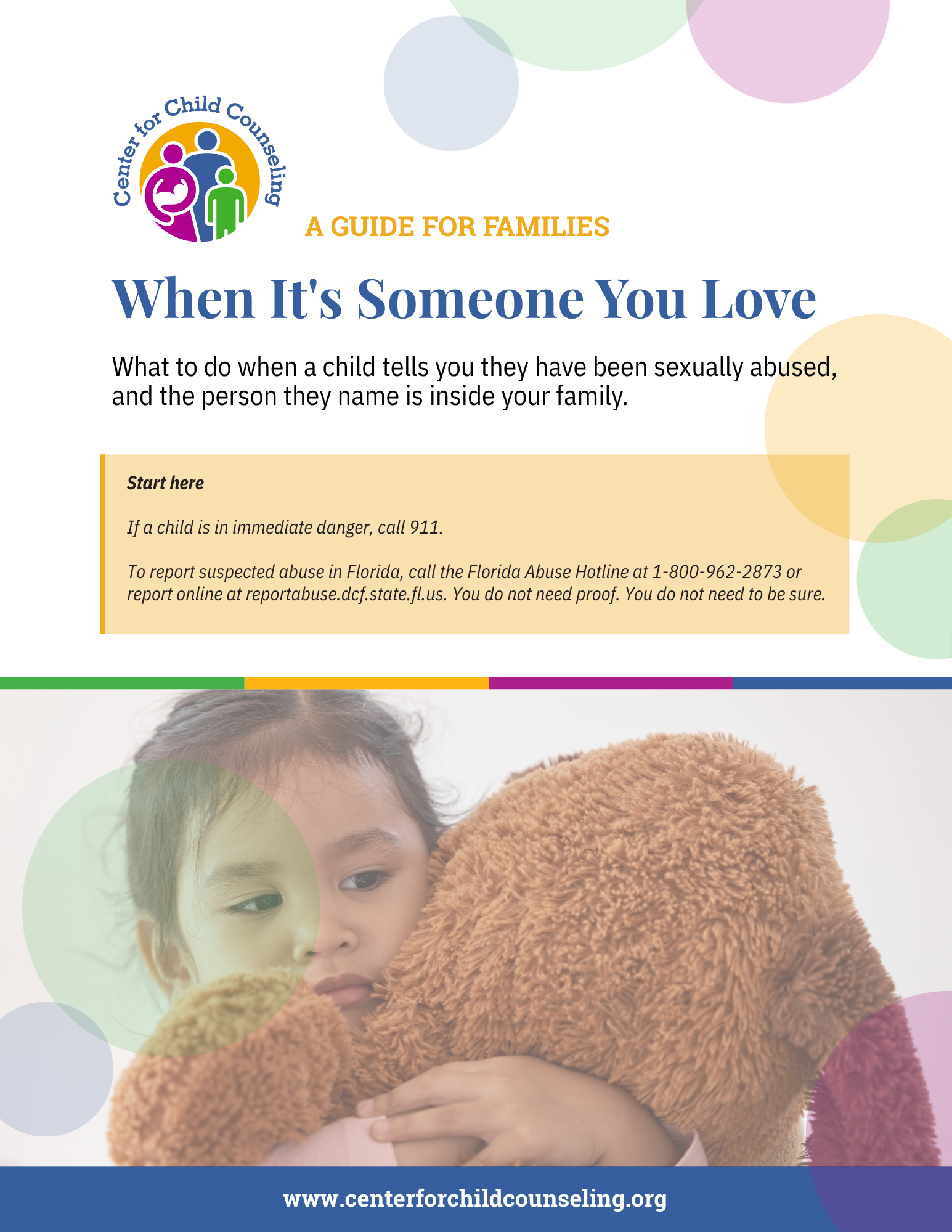
Free Guide for Families
When It's Someone You Love
Almost everything written about preventing child sexual abuse is written for children. Almost nothing is written for the adult in the hardest version of the moment, when the person a child names is inside the family.
- What to do, and not do, in the first hour
- Why you do not need proof to report
- What relatives will say, and what it actually is
- What happens after you call, step by step
- When the person is another child
- How to hold a family that may split
Free PDF · 10 pages · No email required · May be shared and reproduced for educational use with attribution
Our Programs
Training that protects children
Nationally recognized, expert-developed curricula for schools, camps, healthcare professionals, and parents, delivered through our online learning platform at BeKidSafe.org.
Stay KidSafe!™
An innovative, evidence-informed curriculum that teaches children personal safety skills through fun, interactive education, empowering them to recognize unsafe situations, go to their Safe Adults, and speak assertively. Approved by the School District of Palm Beach County and districts in Texas, with growing national reach.
- Kindergarten through 5th grade, free and self-serve online
- PreK delivered in person in Palm Beach County
- Free training for educators
- Companion parent education included
CampSafe®
The nationally recognized child abuse prevention training designed specifically for camp staff and leadership. Now featuring Level 2, an advanced curriculum for returning staff. Developed by child safety experts, CampSafe® equips camp professionals to create safer environments for every child.
- Level 1 plus new Level 2 training
- Online, self-paced format
- Serving more than 180 camps nationwide
- Group pricing available
All training options
Schools, camps, healthcare, parents. Open any one for details.
Free online training for educators to implement personal safety education in their classrooms. Approved by the School District of Palm Beach County and districts in Texas. Available on our BeKidSafe.org learning platform.
Online child abuse prevention training for camp counselors and leadership. Level 1 for new staff and Level 2 for returning staff. Self-paced, expert-developed, and serving camps nationwide.
A one-hour, self-guided online training providing healthcare professionals with foundational knowledge of child sexual abuse, adverse childhood experiences, prevention, response to disclosure, and reporting.
Online workshops and resources for parents and caregivers. Learn how to talk to your children about body safety, recognize warning signs, and respond if a child discloses abuse.
In the Community
We bring it to you
Prevention education only works if it reaches the children who need it. Our team delivers KidSafe programming through the Mobile HOPE Unit, at community events, and in person at partner schools and sites.
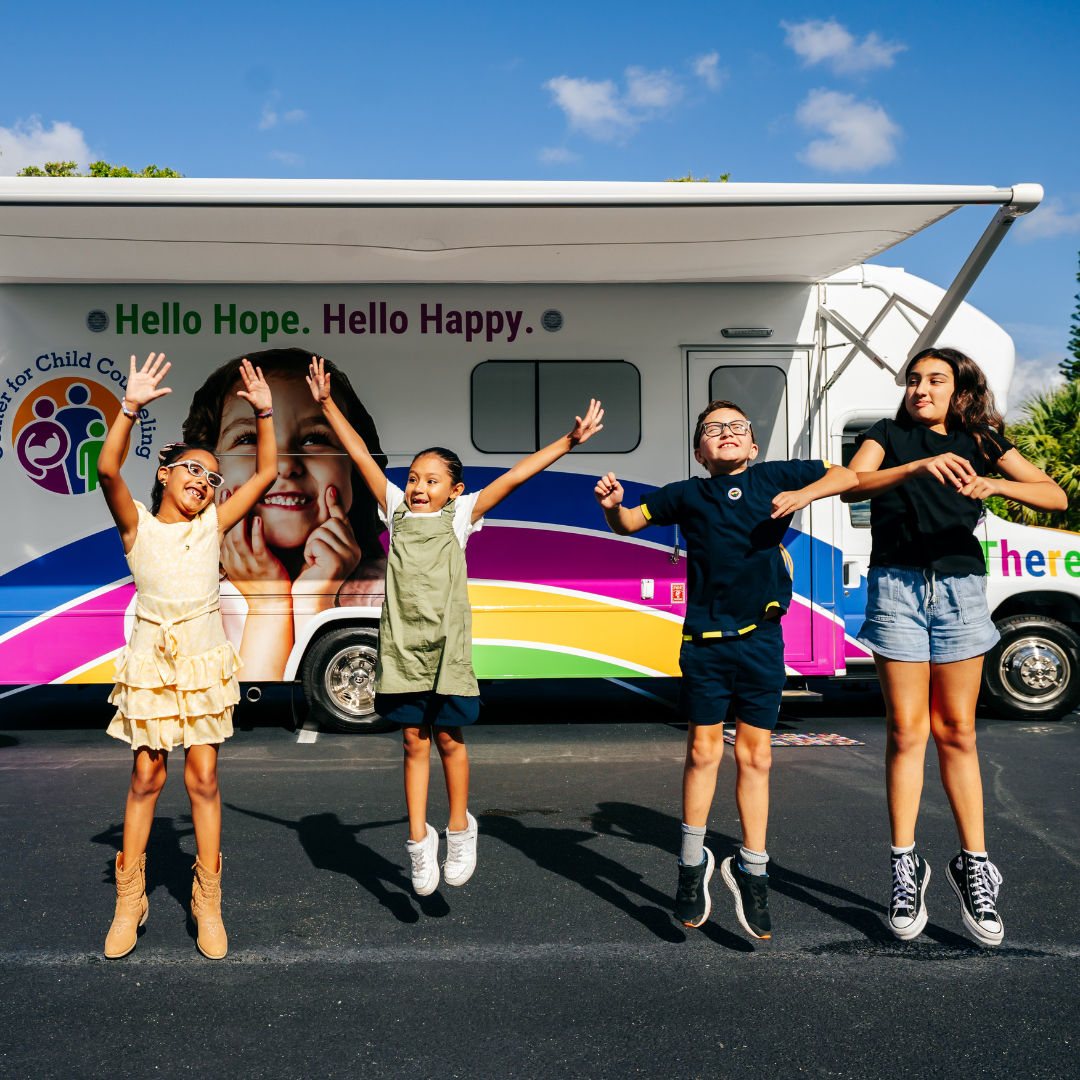
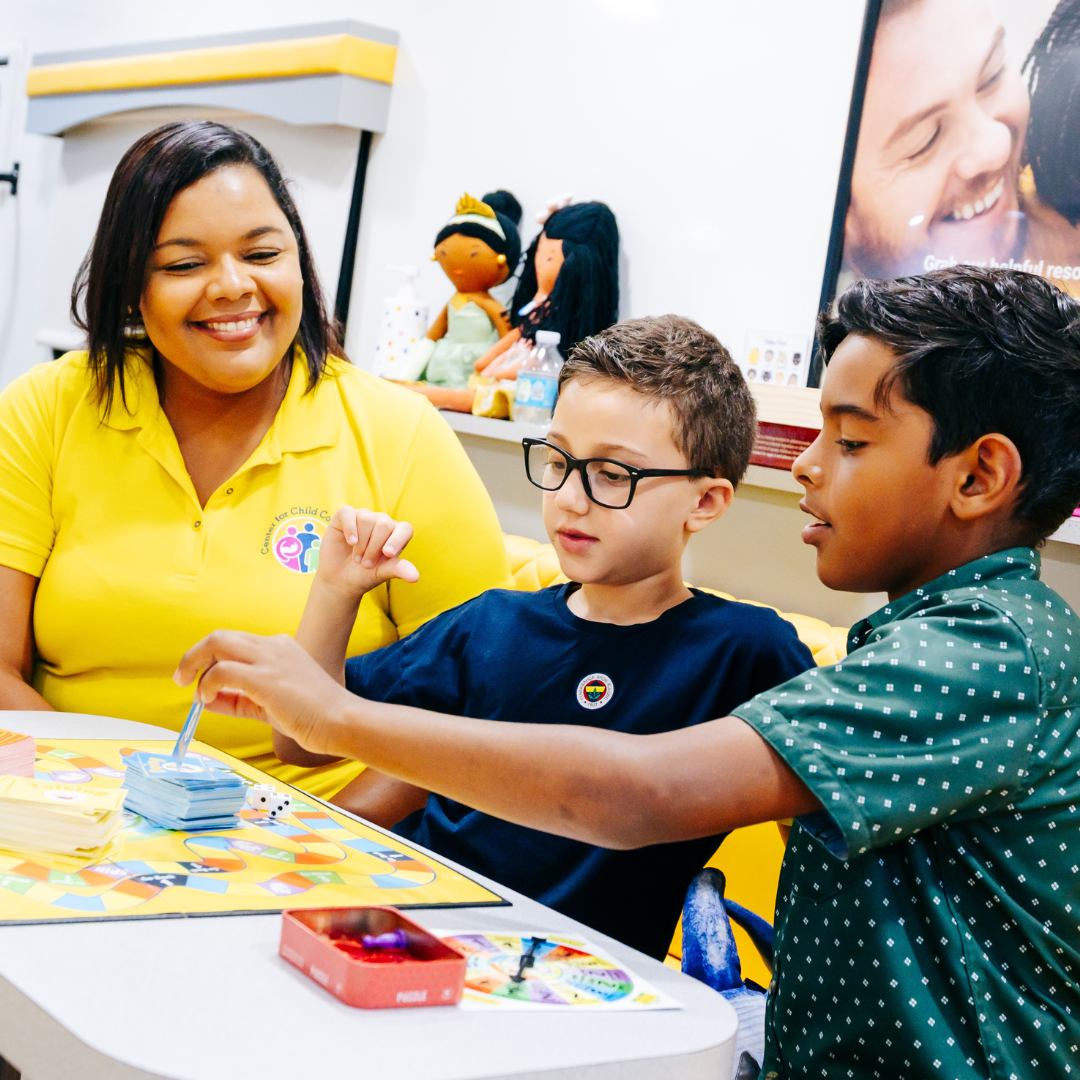
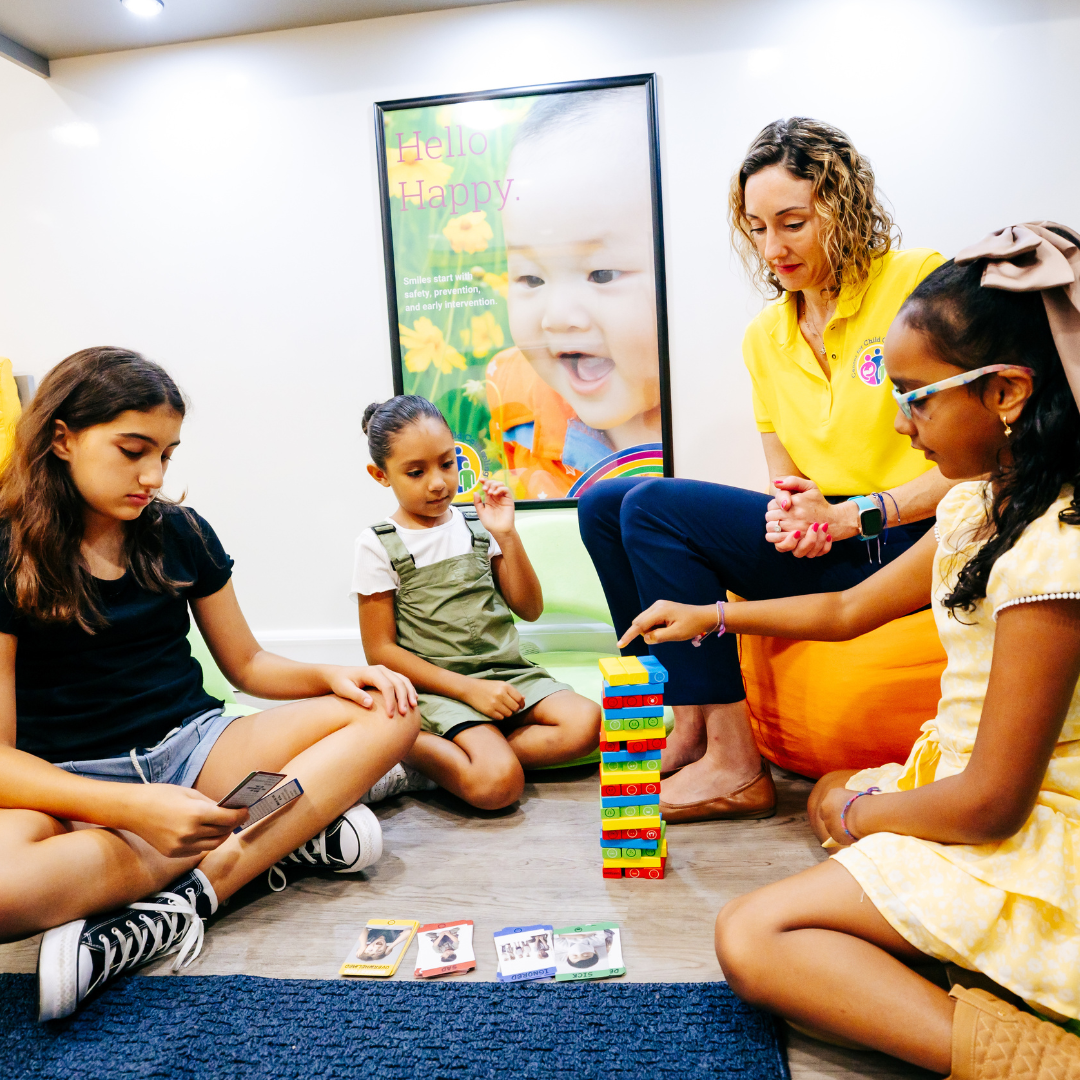
The Mobile HOPE Unit
A classroom on wheels. The Mobile HOPE Unit brings personal safety education, activities, and our team directly to schools, neighborhoods, and community events, including places where transportation is the barrier between a child and a program.
If you have seen it at an event, that is what these photographs are.
Embedded in schools and sites
KidSafe programming is provided at no cost to our co-located partner sites across Palm Beach County, part of an embedded model that puts prevention education where children already are.
Our team also delivers programming in Martin County, funded by the Children's Services Council of Martin County.
Want KidSafe at your school or organization?
We build customized proposals, from a single classroom session to a full-school assembly, multi-week curriculum, or parent workshop.
What We Believe
Adversity is not the whole story
Most of what is written about child sexual abuse ends with the damage. That leaves families with fear and nothing to do with it. The research is clearer and more useful than that: positive experiences shape a child too, and they are not cancelled out by what happened.
Relationships
Connection with other children and with adults who care. The single strongest predictor of how a child recovers is having at least one adult who believes them and stays.
Environments
Safe, stable, protective places to live, learn, and play. Predictable routines are not a small thing to a child whose world just tilted.
Engagement
Belonging, contribution, and having a role. This is often the first thing a child loses after abuse, and it is rarely the thing adults think to restore.
Emotional Growth
Chances to recognize, express, and manage feelings. A child who can name what they feel is a child who can describe what happened.
HOPE — Healthy Outcomes from Positive Experiences. Learn how we apply it →
And five things that make harm less likely
The protective factors describe what a family and community have. HOPE describes what a child experiences. Read together, they answer both questions parents ask.
Parental resilience
Being able to handle stress and adversity without it flowing straight through to the child.
Social connections
People to call. Isolation is exactly what someone seeking access to a child looks for.
Concrete support
Housing, food, and childcare when things get hard. Stability is not abstract.
Knowledge of child development
Understanding grooming and what is developmentally expected. This is where prevention education lives.
Children's emotional skills
Accurate words for feelings and for bodies. The factor most directly tied to whether a child can tell.
One thing we want to be very clear about
Protective factors reduce risk across communities. They do not make any individual family responsible for a decision an adult made to harm a child. That responsibility belongs entirely to the person who did it.
A family with every one of these in place can still have a child harmed by someone who worked patiently for years to earn access. If that is your family, nothing on this page is a list of what you should have done.
Who Built This
Decades of experience in this work
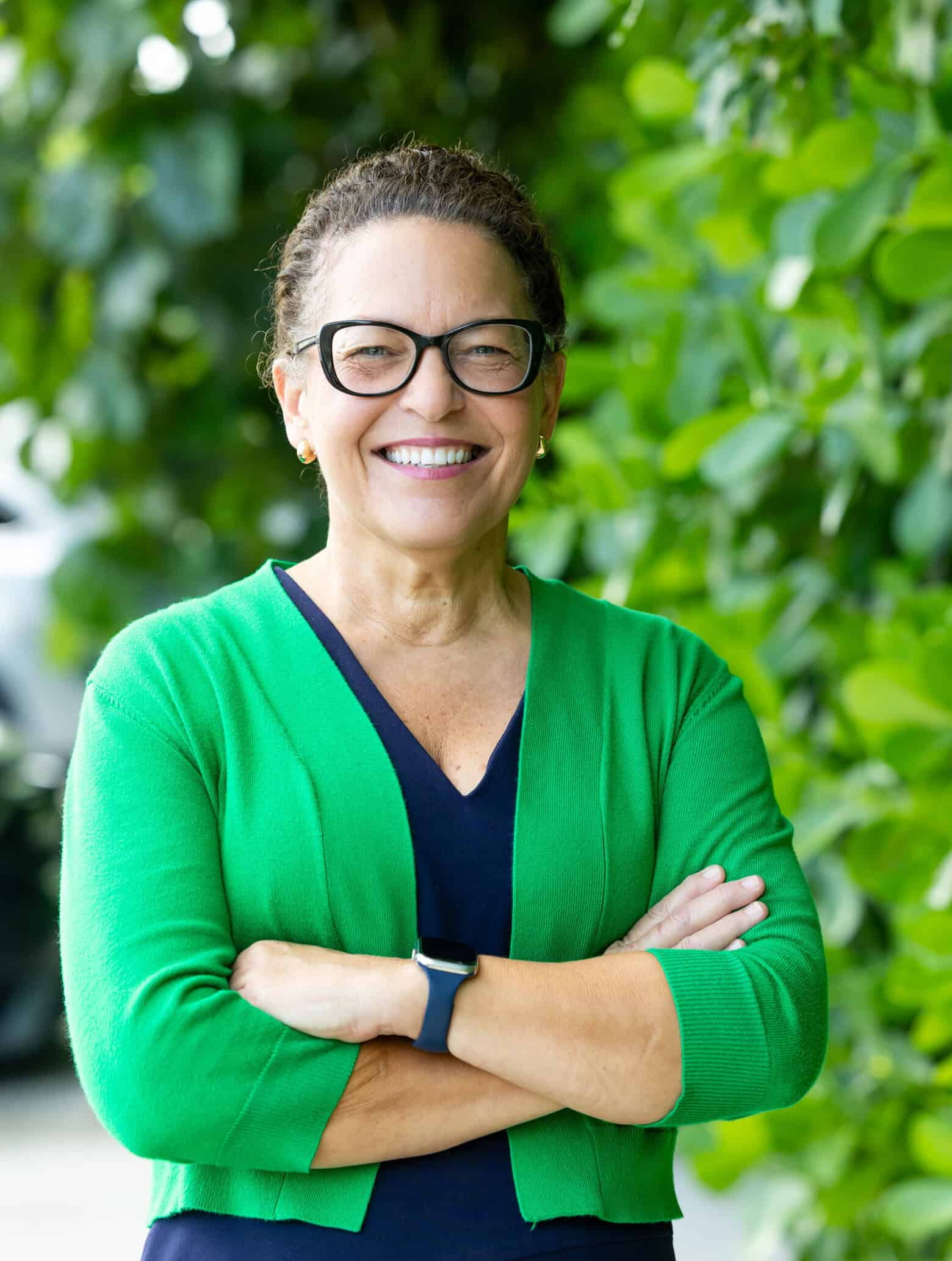
Renée E. Layman, MS, LMHC
President & CEO, Center for Child Counseling
A licensed mental health counselor with more than 25 years of expertise in children’s mental health and trauma treatment. She writes and clinically reviews the guidance on these pages, and shapes how this work reaches families.
- Author of the updated A Way of Being with Children, the philosophy the organization runs on
- Founder of the vision behind BeKidSafe.org, the platform delivering this training nationally
- Certified HOPE Champion, and one of ten leaders selected nationally for the 2026 National HOPE Cohort
- President of the Board, Florida Association for Infant Mental Health
Prevention is protection.
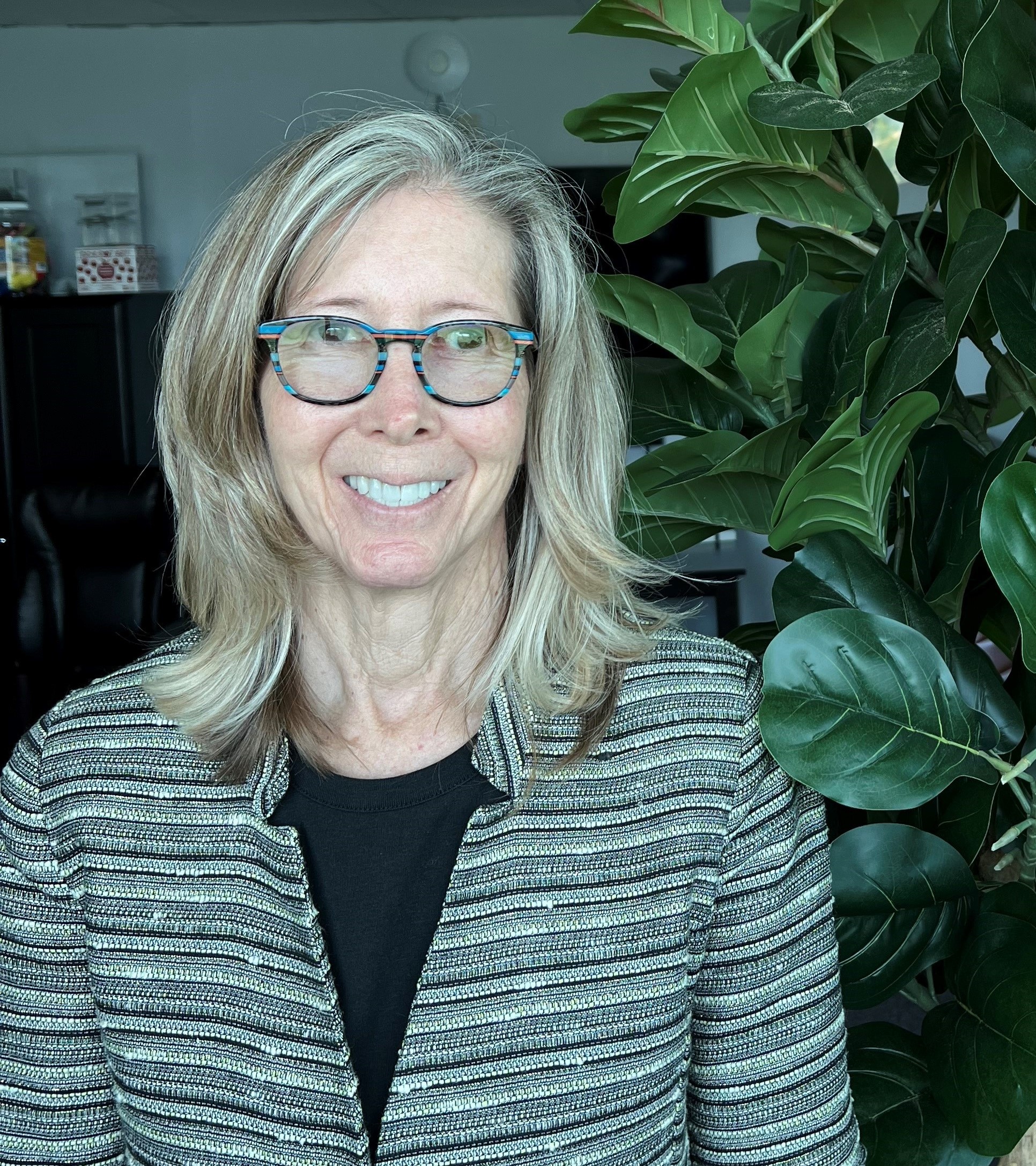
Cherie Benjoseph, LCSW
Creator, Stay KidSafe!™ and CampSafe®
A licensed clinical social worker and nationally recognized child safety expert. She has spent her career building evidence-informed education that empowers children, and she wrote the curriculum your staff will teach.
- Member, National Coalition to Prevent Child Sexual Abuse and Exploitation
- Author of the Stay KidSafe!™ and CampSafe® curricula
- Delivers training nationally to schools, camps, and youth-serving organizations
- Curricula approved in Florida and Texas, and in use at more than 180 camps nationwide
Empowered children become powerful adults.
Questions People Actually Ask
Straight answers
Written for Florida. The guidance holds anywhere, but reporting law varies by state.
No. Florida law asks for reasonable cause to suspect, not proof and not certainty. You are not deciding whether abuse happened. You are handing that question to people whose job is to answer it.
Reporting in good faith gives you immunity from civil and criminal liability under section 39.205, Florida Statutes. Waiting until you are certain is how years pass.
Every person. Under section 39.201, Florida Statutes, mandatory reporting is not limited to teachers, doctors, and clergy. It includes you.
Members of the general public may report anonymously. School personnel, healthcare providers, and other listed professionals are required to give their names.
Knowingly and willfully failing to report, or preventing someone else from reporting, is a third-degree felony.
Call the Florida Abuse Hotline at 1-800-962-2873, available 24 hours a day, or report online at reportabuse.dcf.state.fl.us. If a child is in immediate danger, call 911 first.
Have what you can: the child's name and location, the name of the person you are concerned about and their relationship to the child, and what you observed or were told. "I don't know" is a complete answer to anything else.
Keep your face calm, because a child reads your reaction to decide whether telling you was safe. Then say four things: I believe you. I'm glad you told me. This is not your fault. I'm going to get help.
Do not interview the child, do not ask leading questions, and do not promise to keep it secret. Write down their exact words as soon as you can step away, then report.
This is the most common situation and the hardest one. About 34% of children abused by someone they know are abused by a family member. The pressure to stay quiet usually starts within hours and comes from people you love.
Report anyway. Do not confront the person, because it gives them time and puts pressure straight back onto the child.
Download our free family guide, When It's Someone You Love (PDF) →
A counselor decides whether the report meets criteria to open a protective investigation. Accepted reports go to the local investigation office, generally within an hour. An investigator responds immediately if a child is at imminent risk, otherwise within 24 hours. Sexual abuse reports also go to law enforcement.
Expect it to be slow, expect to be told very little, and know that a report being screened out is not a finding that a child lied.
The system is designed to prevent that. Your child will usually be interviewed once, by a specially trained forensic interviewer, while the investigator and law enforcement observe.
In Palm Beach County this is done through Camelot Community Care's Child Protection Team – Palm Beach. You will likely wait in another room, which is not a sign that anyone doubts you. It exists so no one can later argue you shaped what your child said.
As soon as they can talk. At two to four you are not discussing abuse, you are teaching accurate words for body parts and the idea that their body belongs to them.
Use real anatomical names rather than nicknames. A child who cannot name a body part accurately may not be understood or believed, and people who target children notice which children have not been taught.
Grooming is the gradual process of building trust and access in order to abuse a child, and to make disclosure less likely afterward. It typically moves through target selection, building trust with the child, building trust with the family, filling a need, isolating the child, and testing boundaries.
The step adults miss is the third one. When a family says there is no possible way, that certainty is often the product of years of deliberate effort rather than evidence about what happened.
Yes. As many as 40% of children who are sexually abused are abused by an older or more powerful child rather than an adult. It is reportable under Florida law, and these reports are routed accordingly.
What distinguishes abuse from developmentally expected curiosity is a meaningful difference in age, size, power, or development, plus coercion or secrecy. You are not the one who has to make that determination.
Both children need help. Children with sexual behavior problems respond to treatment substantially better than adults do.
A child is persuaded to send one image, then threatened with its release to extract more images or money. Escalation is fast, children experience it as inescapable, and it targets boys at high rates.
Do not pay. Do not delete the account. Take screenshots, report to the National Center for Missing and Exploited Children at report.cybertip.org, and use takeitdown.ncmec.org to have images removed.
Tell your child clearly, in advance, that they will not be in trouble. Shame is exactly what the person extorting them is counting on.
Yes. The Kindergarten through 5th grade curriculum is free and self-serve online at BeKidSafe.org, available to any school anywhere, along with a free one-hour educator training. It is approved by school districts in Palm Beach County, Martin County, and Texas.
PreK is delivered in person by Center for Child Counseling staff and is currently available in Palm Beach County. Submit a training request to arrange it.
It is free because donors pay for it.
Not on its own. Recantation is common, and it is most common when a child can feel the family coming apart around them. Children take it back because the cost of telling turned out to be exactly what they feared.
Keep believing them, and do not reopen questioning. If you already reported, the report stands.
No questions in that group yet. Try All.
Take Something With You
Free resources
Guides, tools, and training you can download or use right now. Nothing here requires an account.
When It's Someone You Love
What to do when a child tells you they have been sexually abused and the person they name is inside your family. Reporting without certainty, the pressure to stay quiet, and what happens after you call.
Download Interactive toolConversation Guide by Age
Exact words to use with children from age two through thirteen, what is developmentally normal at each stage, and the one thing to avoid.
Open the guide Free training · 1 hourStay KidSafe!™ Educator Training
Self-guided online training for teachers, administrators, and school staff. Recognizing risk, mandated reporting, and responding to disclosure. Approved in Florida and Texas.
Start training Free curriculum · K–5Stay KidSafe!™ Curriculum
Animation, activities, and songs that teach personal safety from a place of empowerment. Free and self-serve for any school. PreK delivered in person in Palm Beach County.
Register your school Free printable · 2 pagesWhat To Say At Every Age
The exact words for body safety conversations from age two to thirteen, what is developmentally normal at each stage, and the one mistake to avoid.
Download Free printable · 1 pageFamily Body Safety Rules
Six rules in a child’s own words, space for their three safe grown-ups, and promises the adults sign too. Built for the refrigerator.
Download Free printable · 8 per sheetTeen Palm Card
Credit-card size, for a phone case or a wallet. Text and chat lines first, and nothing on the front that announces what it is about.
Download Activity pack · PreK to KKidSafe Activities, ages 3 to 5
Safety Voice, Reporting versus tattling, never ever touch, and the bathing-suit rule. Every instruction written to the grown-up.
Download Activity pack · Grades 1 to 2KidSafe Activities, ages 6 to 8
Think Feel Do, Inner Safety Voice, Stranger Smarts, safe and unsafe touch, secrets, and the four digital safety rules.
Download Activity pack · Grades 3 to 5KidSafe Activities, ages 8 to 11
Consent and body boundaries, digital dangers, red flags and green flags, and a signable online safety agreement.
Download Resource collectionThe Feelings Corner
Age-banded tools for naming and managing emotions, from little ones through teens, plus a section for grown-ups. Emotional vocabulary is what makes telling possible.
Explore Tip sheetsWays to Talk to Children
Practical language for hard conversations, built on A Way of Being with Children. Useful long before and long after anything goes wrong.
Read Training · $10SchoolSafe for Resource Officers
One-hour training for SROs, law enforcement, and detectives on prevalence, grooming, recognizing an abused child, and responding to disclosure.
Enroll Book · English & EspañolMy Body Is Special and Belongs to Me
An illustrated book teaching body safety, boundaries, and a child's right to say no, in language that empowers without frightening. Published in both English and Spanish.
Get the book For helping professionalsHealing the Healers
Support for the adults who carry this work. Secondary traumatic stress is an occupational exposure, not a weakness, and it is common among educators and clinicians.
Find supportNo resources match that filter yet. Try Everything.
Explore The Hub
Four ways in, depending on where you are
KidSafe home
Everything we do to prevent child sexual abuse, in one place.
Go to the hubA child told me something
What to do in the first hour, and how to report without proof.
Get guidanceFor parents & caregivers
The words to use at every age, warning signs, and online safety.
Explore resourcesFor schools & organizations
Free training, the readiness check, and custom programming.
See the optionsPrevention Is Possible
Every child deserves to feel safe
Stay KidSafe!™ is free for educators because donors pay for it. Everything on this page is free because we would rather a family find it at midnight than never find it at all.
Questions? Call 561-244-9499 or email our team. Hablamos español.
This page is general education about child safety and abuse prevention. It is not legal, medical, or clinical advice, and reading it does not create a clinical or professional relationship. Laws differ by state and change over time; statutory references reflect Florida law as of the review date above. For advice about your own situation, speak with an attorney, a physician, or a licensed mental health professional.
If you believe a child is being abused, call the Florida Abuse Hotline at 1-800-962-2873. If a child is in immediate danger, call 911.
Phone numbers and links to other organizations are provided for convenience. Center for Child Counseling does not control those services and cannot guarantee their availability.