Resilience: the ability to “bounce back” from setbacks, to adapt and overcome adversity, to cope with challenges by making use of internal resources and social supports.
Difficult experiences are an inevitable part of life, and so by supporting resilient practices from childhood, we aim to strengthen a child’s ability to overcome both current and later in life stressors. Research has shown that, even though it may have a genetic component, resilience is a skill that you can build.
Take this training to learn more about the protective buffer that resilience offers against stress as well as strategies to help promote and strengthen this trait in the lives of the children you engage with.
In this training, you will learn about:
The importance of resilience in children
Factors that contribute to resilience in children
Various strategies to promote resilience in children
$15
January 1, 2025
@
8:00 am
–
December 31, 2025
@
5:00 pm
Play is how children explore and make sense of the world. Play is children’s language and toys are children’s words.
When we explore the benefits, especially related to cognitive, physical, social, and emotional development, it’s clear how significant and powerful play really is to a child’s overall growth and wellbeing. Often, we don’t regard play as having an impact on a child’s ability to learn, when in fact it is crucial to supporting things like connecting with others, mastering skills, experimenting and problem-solving and fostering resilience behaviors.
Take this training to learn about the science behind play, the ways in which it impacts a multitude of developmental factors and easy-to-implement tips to creating the ideal play environment within the home or school setting.
In this training, you will learn about:
The benefits of play for children.
The importance of structuring the environment to promote social-emotional development and academic skills through play.
Activities to use with children including everyday items to reinforce the skills learned throughout the presentation.
$15
January 1, 2025
@
8:00 am
–
December 31, 2025
@
5:00 pm
Empathy is a complex skill that develops over the lifespan and is shaped by genetics, observation, learning, and life experiences.
It creates the foundation for our ability to connect with others and plays a significant role in creating and maintaining meaningful relationships throughout our lives. Modeling, practicing, and reinforcing this skill from a young age helps children achieve different empathy milestones and foster ways of being that serve them as they navigate the world and relationships around them.
Join us as we explore ways in which to nurture and support the development of this important life skill as we parent, care for or teach children on a daily basis.
In this training, you will learn about:
Difference between empathy and sympathy and the three main components of empathy.
Age-appropriate empathy milestones.
Techniques to support empathy development.
$15
January 1, 2025
@
8:00 am
–
December 31, 2025
@
5:00 pm
Separation anxiety can be a difficult and emotional experience for both a child and his/her parents.
However, depending on the child’s age and developmental milestones, this may be a very natural and healthy response as he/she learns and becomes familiar with the concept of object permanence. Understanding the developmental stages, signs and triggers will help parents, caregivers and teachers navigate whether the child’s experience is to be expected or whether he/she needs additional help and support to overcome the anxiety.
Join us as we explore the concept of separation anxiety and how that may present itself in a child’s emotions and behaviors. We will also introduce techniques that can be incorporated into daily routines, at home and school, to ease anxiety and assist the child in those difficult moments.
In this training, you will learn about:
Signs and triggers of separation anxiety.
Ways to ease children’s separation anxiety.
How to prepare children to start preschool/childcare center.
$15
January 1, 2025
@
8:00 am
–
December 31, 2025
@
5:00 pm
The role of a teacher is one filled with daily demands and expectations.
It is also, however, one of great responsibility and influence as the potential to shape and impact a young life in a positive way is a significant position. This means ensuring your own health and wellbeing is maintained and supported is crucial. Trauma stories, compassion fatigue and vicarious traumatization may be parts of a teacher’s role that aren’t spoken about or addressed very often, but that deserve attention to assist you in understanding, navigating, and overcoming these experiences.
Join us as we explore the effect of hearing traumatic accounts from the children you teach, the impact that it may have on your health and wellbeing, the warning signs to keep in mind, and finally guide you to implementing ways to address and buffer the impact.
In this training, you will learn about:
The risk of secondary trauma and the definition of compassion fatigue and vicarious traumatization.
Mandated reporting and personal concerns.
The trauma impact of secondary trauma.
$15
January 1, 2025
@
8:00 am
–
December 31, 2025
@
5:00 pm
Social-emotional development is a term used to describe important skills that grow and strengthen throughout the lifespan such as emotional awareness, self-regulation, and social interaction.
The foundation of exploring and engaging with the environment as well as building and maintaining positive relationships stems back to the social-emotional development that starts as early as infant attachment to his/her primary caregiver.
Take this brief training if you wish to improve your knowledge of the importance of attachment, the social-emotional stages of development, the benefits of supporting this positive foundation, and effective ways to promote this growth and learning in infants and toddlers.
In this training, you will learn about:
The aspects and importance of social-emotional development of children.
Social-emotional developmental stages for children ages 0-6.
Ways to promote social-emotional development in children
$15
January 1, 2025
@
8:00 am
–
December 31, 2025
@
5:00 pm
The environment a child spends most time in, aside from his/her home, is school.
It is so important for parents/caregivers, children, and teachers that communication and collaboration are prioritized in order to best support the child’s physical, mental, and emotional learning and growth. Looking for small ways to be involved and to promote a positive parent-teacher relationship, allow the child to feel safe, comfortable, and supported in their schooling space.
Take this brief training to learn helpful techniques to communicate openly with teachers and staff members, address concerns in an effective manner, collaborate on classroom challenges and find sustainable ways to stay involved and in-tune with your child’s school success.
In this training, you will learn about:
The benefits of family involvement in early childhood education.
Ways to communicate with teachers to build positive relationships with them.
How to become more involved in children’s early education.
$15
January 1, 2025
@
8:00 am
–
December 31, 2025
@
5:00 pm
A Way of Being with Children: A Trauma-Informed Approach to Building Resilience is based on Center for Child Counseling’s manual and reflects over twenty years of experience working with children, combining the science of brain development, child development, and actual practice to enhance positive child-caregiver relationships and resilience.
Whether you’re a parent, a teacher, or a caregiver, this approach is an effective way to interact with the children in your life, providing information and skills to promote positive behaviors and relationships.
If you are a parent, teacher, or professional in Palm Beach County, A Way of Being with Children is FREE for you! Use the promo code: AWOBPBC. Your registration for this 5.5 hour online, on-demand training includes a copy of the 86-page manual!
$250
January 1, 2025
@
8:00 am
–
December 31, 2025
@
5:00 pm
What is the “A Way of Being with Children” Training?
This training is based on our manual: A Way of Being with Children: A Trauma-Informed Approach to Building Resilience.
Published over sixteen years ago, the manual is based on over twenty years of experience working with children, incorporating the expertise of dozens of mental health and early childhood professionals..
The training contains vital information about childhood development, how children think and grow, and skills to promote positive behaviors and resilience. A Way of Being with Children forms the basis of all our work at Center for Child Counseling. It is a research-based, trauma-informed approach to ‘being’ with children.
What Teachers, Parents, and Caregivers Will Gain From this Training
Whether you’re a parent, a teacher, or other adult caregiver, A Way of Being is an effective approach that will give you essential information, strategies, and skills to enhance your interactions with children.
It’s full of practical advice and it’s an approach that works.
A Way of Being with Children is going to help you build better, deeper connections with the children in your life!
Learning Objectives Include:
Understanding the importance of attitude in relationships,
Understanding the impact of suspending judgement,
Understanding the importance of a positive caregiver-child relationship,
Increased ability to recognize trauma’s impact on development,
Increased knowledge of stages of development,
Increased knowledge in the importance of adult-child relationship and brain development,
The importance of play in children’s development,
The impact of racism and discrimination on children,
Understanding of skills and themes in play therapy,
How to effectively use reflective listening with children,
The difference between encouragement and praise, and
Strategies in managing problematic behaviors in children.
Center for Child Counseling is approved through the Florida Board of Licensed Clinical Social Workers, Licensed Marriage & Family Therapists, and Licensed Mental Health Providers #50-11511.
Grief is the intense emotional reaction and distress in response to loss, usually associated with death.
However, grief can encompass significantly more experiences than just death – separation or the ending of a close relationship, can also bring about elements of grief.
A very natural process, and often a significant part of processing and moving beyond the pain and suffering to create new direction and a shift in daily life.
Grief, however, often brings many uncomfortable emotions which most of us find difficult to experience and express.
The thought of having to explain grief to a child, can leave us feeling us feeling uncertain as to how to approach the subject and ways to do so in a sensitive manner to avoid causing unnecessary distress for the child.
This 80-minute workshop is FREE.Take this online, on-demand workshop to learn how to address grief with children and ways to help them cope.
Ways to Talk to Child about Grief offers practical advice and strategies to approach this difficult conversation. In this workshop, you will learn:
* What grief is and how children grieve,
* Developmental stages and the impact on grief,
* Parent regulation and ways to encourage self-expression, and
* How to prepare for the conversation about grief.
Visit our Ways to Talk to Children page for resources and information on addressing other tough topics with children and teens, including sexual abuse, school shootings, war, and divorce.
Please note: This is an online workshop that can be taken at your convenience. Once registered, you will have 24/7 on-demand access for 30 days.
January 1, 2025
@
8:00 am
–
December 31, 2025
@
5:00 pm
Building healthy relationships or ‘relational health’ provides a strong foundation for life-long well-being, including boosting self-esteem, functioning better under stress, and even having better overall physical health.
On the other hand, poor relational health increases our risk for psychological distress.
Early relational health (ERH) is a term describing positive child development as a result of nurturing, warm, and responsive parent/caregiver child relationships – and safe communities defined by trust and social connectedness.
Maintaining healthy relationships takes time and attention, even under the best of times. Building or maintaining strong relationships in times of intense stress is far more challenging. Think about the stress that most of us have experienced because of the pandemic. The stress and resulting emotional fallout, particularly for children who were already facing adversity, call for immediate action and a public health approach that supports prevention and early intervention strategies.
Julie Fisher Cummings, Chair of the Board for the Community Foundation for Palm Beach and Martin Counties and Trustee of the Max M. and Marjorie S. Fisher Foundation states, “EARLY MATTERS! Research shows that 80% of brain development occurs by age 3. Recognizing this and acknowledging that social determinants of health constitute public health imperatives. Fisher Foundation has funded or is currently funding initiatives and programs as an embedded funder in Detroit to improve conditions and outcomes for children.”
Over the past few years, Mrs. Fisher Cummings has partnered with Center for Child Counseling to advocate and raise awareness across systems that make decisions on behalf of our children about the impact of Adverse Childhood Experiences (ACEs) and Adverse Community Environments. Utilizing a public health approach allows us the greatest opportunity to create systemic change because it addresses the causes, consequences, and potential cures for the impact on our youngest and most vulnerable children – and promoting relational health between children and their caregivers is at the heart of this work.
We must work toward having a society where all children grow up feeling safe and loved. Societal issues such as racism and poverty are complex but can be defeated. Science shows that many of the answers rest in early childhood.
The need has never been more urgent. There has been overwhelming grief and loss due to the pandemic. According to a recent study more than 140,000 children, primarily in communities of color, have lost a parent or caregiving grandparent to COVID-19. The death of a parent or caregiver in childhood is a significant trauma which may result in profound long-term consequences for health and well-being.
It is vital that parents and caregivers have the core capabilities - executive functioning and self-regulation skills - needed to support children’s mental health and resilience through safe, nurturing relationships. The call to action is creating a system that nurtures our most vulnerable children and families, fighting against inequities that keep intergenerational trauma firmly in place.
Mrs. Fisher Cummings states, “All are needed to create a world where every child has a chance to succeed by receiving the same support and care as my own grandchildren.”
Sign up now for news, events, and education about Adverse Childhood Experiences (ACEs) and promoting resilience.
By submitting this form, you are consenting to receive emails from: Center for Child Counseling, 8895 N. Military Trail, Palm Beach Gardens, FL, 33410. You can revoke your consent to receive emails at any time by using the SafeUnsubscribe® link, found at the bottom of every email.









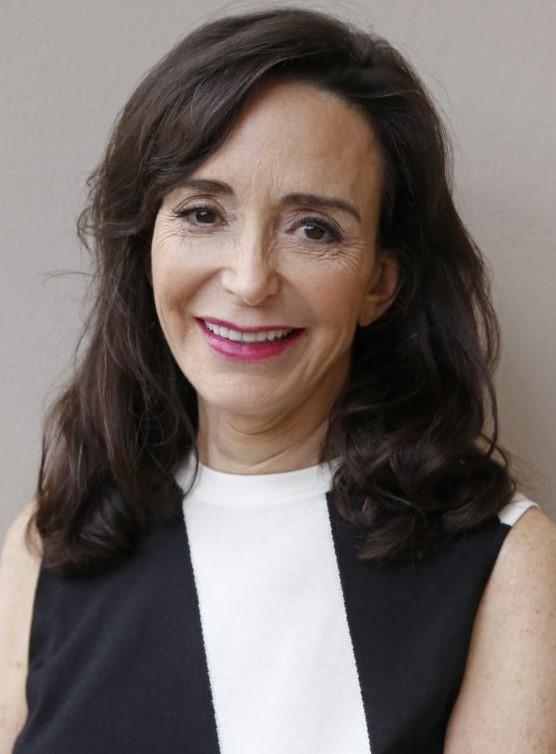 Julie Fisher Cummings, Chair of the Board for the