
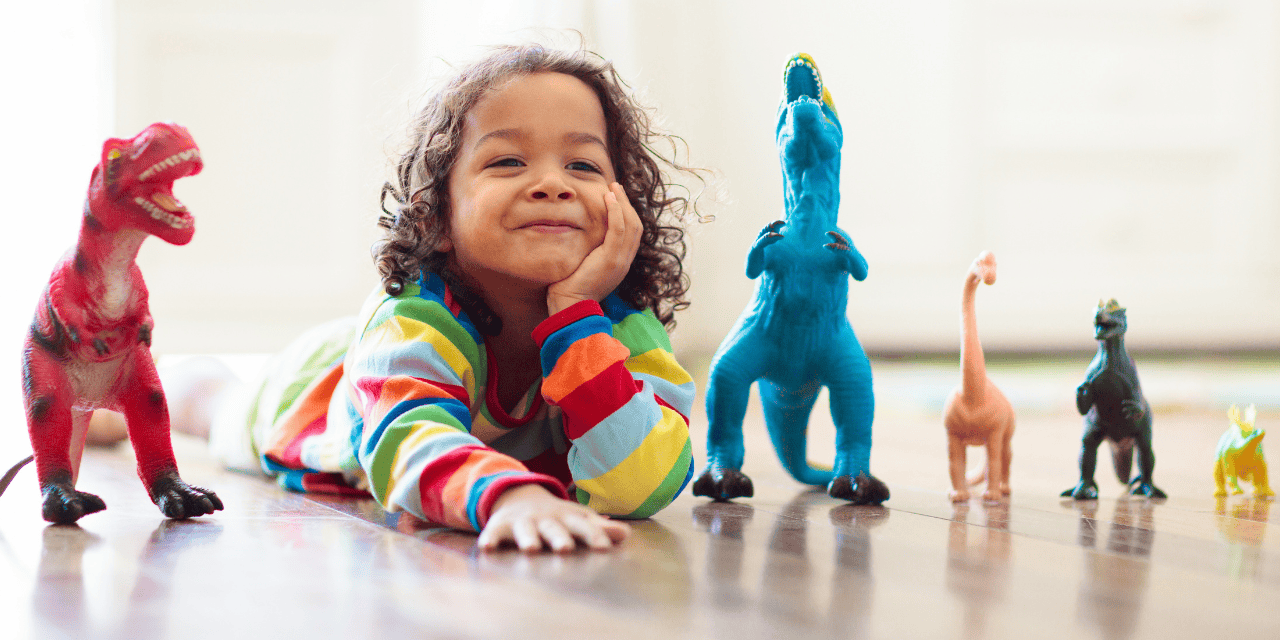
The Power of Play
Why your child's 'just playing' is actually brain-building work

Your child is stacking blocks. Making mud pies. Chasing their sibling around the backyard. Holding a whole conversation between two stuffed animals. None of that is wasted time. It's the most important work of childhood, and it's how brains get built.
In a culture that keeps pushing early academics, structured activities, and measurable outcomes, play has quietly lost ground. Recess has shrunk. Screen time has grown. And a lot of parents feel a nagging pressure to make sure every moment of the day counts for something.
But the research says play is the productive part. It's how children learn to solve problems, manage feelings, empathize, imagine, talk, and bounce back. Play isn't a break from learning. It's the foundation underneath it.
What Play Actually Does to the Brain
When a child plays, their brain lights up. New connections form quickly. The prefrontal cortex, the part in charge of planning and impulse control, gets real exercise. The social brain grows as children negotiate, cooperate, and work through conflict with other kids. The emotional brain learns to handle frustration, disappointment, and excitement as they happen.
Play is the brain's preferred classroom. Not worksheets. Not flashcards. Not apps. Play.
Play is not a luxury. It's a biological necessity, and the main way children make sense of their world and build the skills they'll use for the rest of their lives.
Six Types of Play That Build Brains
Not all play does the same job, and every type builds something different. The richest childhood includes a mix:
The HOPE Connection: Creating Environments for Play
The HOPE framework identifies Environments as one of its four building blocks, meaning safe, stable spaces where children can live, learn, and play. Play needs environments that welcome it: homes where messes are okay, schools where recess is protected, communities where parks are safe and easy to get to.
When we invest in play-friendly environments, we're investing in brain development. When we cut recess, over-schedule afternoons, or trade play for screens, we're taking away one of the most powerful tools children have for growing.
What Parents Can Do
Follow their lead. The most powerful play happens when a child directs and an adult follows. Put down your phone, sit on the floor, and let your child show you their world. Don't direct, correct, or teach. Just be there.
Protect unstructured time. Not every minute needs to be filled. Boredom is where creativity starts. Children need open-ended time with nothing planned, and that's when the deepest play shows up.
Play outside. Nature play is one of the most underused tools for children's mental health. Dirt, water, sticks, open space. What the research shows about outdoor play and lower cortisol, better attention, and steadier emotions is worth paying attention to.
Choose toys that invite imagination. The best toys do less so the child does more. Blocks, art supplies, dress-up clothes, and natural materials beat battery-powered toys with one job.
Explore our Ways to Play page for more ideas organized by play type, from sensory play to nature play to child-led play. Our Feelings Corner is another good stop, with age-based tools that use play to help children name and work through what they feel.
When Play Becomes Therapy
At Center for Child Counseling, play isn't just something we encourage. It's one of our primary clinical tools. Play therapy is an evidence-based approach that uses the language children already speak, play, to help them process trauma, express feelings, and build coping skills.
Our ArtClub program uses creative expression as healing. Our clinicians are trained in child-centered play therapy, sand tray therapy, and other expressive approaches. And our play therapy training equips professionals across the country to bring these approaches to the children they serve.
The Bottom Line
The next time someone says your child is "just playing," smile. You know better. They're building their brain. They're processing their world. They're developing skills that no worksheet, app, or structured activity can hand them.
Play is the work of childhood, and it's the most important work there is.
Renée has led Center for Child Counseling since 2013, growing it from a small grassroots agency to one serving more than 7,500 children a year across Palm Beach County. With nearly 30 years in children's mental health, she is a certified HOPE Champion through the HOPE National Resource Center at Tufts Medical Center, President of the Florida Association for Infant Mental Health, and author of the updated A Way of Being with Children PreK Manual.
Every Child Deserves to Play & Thrive
Center for Child Counseling uses play as both a clinical tool and a developmental foundation, helping children heal, grow, and build resilience.