
Op-Ed
April 15, 2026
For immediate release
Media contact: Cara Scarola Hansen
Center for Child Counseling Public Relations Counsel
[email protected]
Sending your child to camp? Ask these questions first.
By: Cherie Benjoseph, LCSW, Center for Child Counseling director of national outreach and education and creator of the CampSafe® curriculum.
If you could go back to any age, what would it be? For me, it’s easy—I think of my incredible summers at sleepaway camp, starting at age eight. Those experiences were formative, joyful, and unforgettable. I’m a strong supporter of day and residential camp—provided that camp is properly vetted for safety. That’s where you come in.
Are you considering the big step of sending your child to camp for a week, a month, or even an entire summer? Maybe you’re looking at a camp you attended as a child, one recommended by a friend, or one you discovered online. With so many choices, how do you get the answers you really need?
Before making a decision, take a step back. Look beyond glossy websites and highlight reels. Ask yourself: Does this camp truly prioritize safety? And not just physical safety like swimming or sports—but emotional and interpersonal safety as well.
At the Center for Child Counseling, our mission is to empower children and families with lifelong skills—so kids can spread their wings with confidence, and parents can feel secure knowing their children are prepared to navigate challenges. Camp—whether day or overnight—can be an incredible part of that growth.
When researching camps, it’s natural to focus on your child’s interests: sports, theater, horseback riding, STEM, culinary arts, or even location and religious affiliation. These factors matter—but they shouldn’t overshadow the most important question: Is this a safe environment for my child?
Think of choosing a camp the same way you would vet a potential employee. Don’t assume camps are doing thorough screening—ask the tough questions.
What Every Parent Should Ask Before Choosing a Camp
- Meet the camp director.
This is the person responsible for your child’s well-being. Meet in person or via video. Ask:
- How is staff recruited?
- What does the screening process include?
- Are references checked and employment histories verified?
- What is staff retention like from year to year?
- Confirm comprehensive background checks.
Does the camp conduct national fingerprint-based criminal background checks? Basic checks alone may not reflect thorough vetting.
- Verify screening through the National Sex Offender Registry.
This should apply to everyone on-site—counselors, administrative staff, dining personnel, maintenance, and more.
- Review the Child Protection Policy.
Ask for a copy. This policy should clearly outline:
- Codes of conduct
- Policies on sexual misconduct
- Procedures for reporting and responding to concerns
- Ask about staff training.
Staff should be trained in:
- Sexual abuse prevention, intervention, and reporting
- Bullying prevention and response
- Recognizing and addressing physical and emotional abuse
- Understand supervision practices.
How are staff monitored and supported while they are responsible for campers?
- Know the reporting procedures.
If a camper or staff member has a concern, how is it reported? What follow-up steps are taken?
- Confirm state licensing.
Is the camp licensed? Request documentation.
- Look for accreditation.
Is the camp accredited by the American Camp Association? Ask to see proof of certification.
Having these conversations will help you determine whether a camp offers more than just fun activities and good food—it will show you whether it is grounded in professionalism, accountability, and a genuine commitment to child safety.
The Center for Child Counseling specializes in training adults who work with children in camp settings. If you’re considering a specific camp, ask whether it is CampSafe® trained. If not, you can share more information with them at: bekidsafe.org/camps.
When it comes to your child, peace of mind should not be optional—it should be part of the package.
About Center for Child Counseling
Center for Child Counseling has been building the foundation for playful, healthful, and hopeful living for children and families in Palm Beach County since 1999. Its services focus on preventing and healing the effects of adverse experiences and toxic stress on children, promoting resiliency and healthy family, school, and community relationships. www.centerforchildcounseling.org Twitter: @ChildCounselPBC Facebook: @CenterforChildCounseling Instagram: @childcounselpbc
###


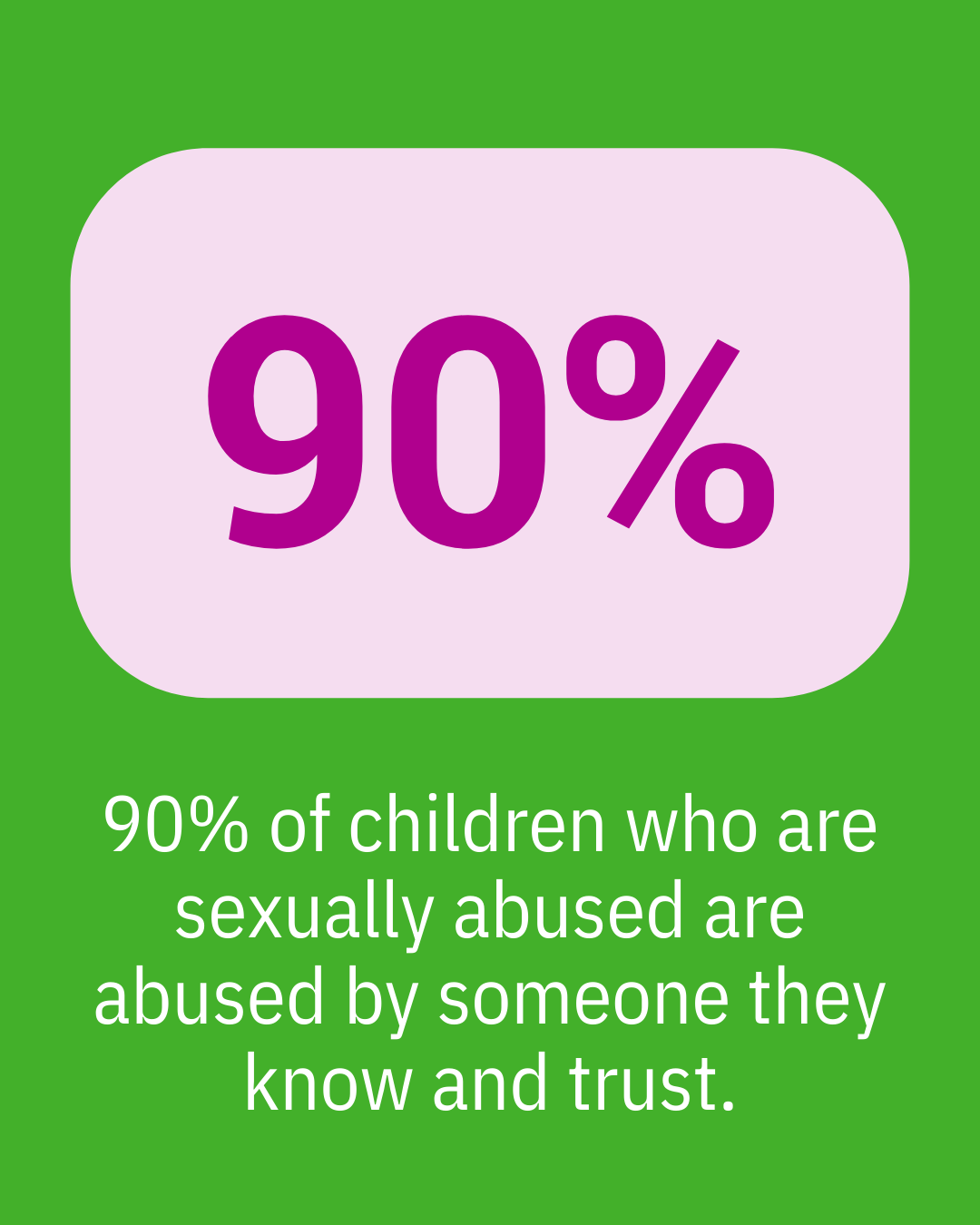
 Such an approach includes creating a system of awareness, education, prevention, support, and treatment in communities. Like the public health approach model used for wearing seat belts to prevent injury and death, we must change the societal behavior and norms around sexual abuse in order to alter society for the better. The long-term health and safety benefits of increasing trauma-aware adults has a direct correlation to decreasing all types of child abuse–sexual along with physical, emotional, and neglect. In turn, this can lead to higher educational achievement, less involvement with the criminal justice system, and better physical health and social outcomes overall.
 As the CEO of
 If you could go back to any age what would it be? The first thing that comes to my mind is my amazing summers at sleep-away camp, starting at age 8 (yep, you read that right). Many who know me might be surprised that I am a huge supporter of sending kids to overnight camp. But yes, I am – provided that camp is properly vetted for safety. That’s where you come in.
 How to protect our kids? Simply put, we can protect our children by becoming more knowledgeable about child sex trafficking and child sexual abuse.
 Some touches make us feel comfortable and safe while others do not. In our society we do not talk much about touching in general. We either say “Don’t touch your Brother” or “Use nice hands.” (From my daughter’s preschool days.) Let’s dive a little deeper as human touch is an important part of wellness and healthy development.
 Unsafe touches happen every day. Examples: Siblings shoving each other, a grown-up grabbing an arm of a child in frustration, a child being physically harmed by another student at school (bullying), someone touching a child’s private parts, or forcing a child to touch their private parts.
 KIDSAFE TIP:
 This is a great opportunity to teach your child about body boundaries and consent. Forcing your child to hug or kiss someone sends the message that the wants and needs of others are more important than respecting their own feelings or body boundaries.