
Think about a toddler who is just learning to walk. Picture the number of times that toddler stumbles and tumbles. Researchers at New York University, directed by Dr. Karen Adolph, showed that newly-walking infants travel about 2,360 steps each hour. They also fall down an average of 17 times during that same period. Imagine you failed at something you were trying to achieve 17 times every hour. You’d be experiencing a setback once every 3.5 minutes – very disheartening. But do toddlers stop trying to walk successfully? Never. They get up again and again and keep moving. This is a compelling way to describe resilience. As Oliver Goldsmith, an 18th century Irish poet, put it: “Success is simply standing up one more time than you fall down.”
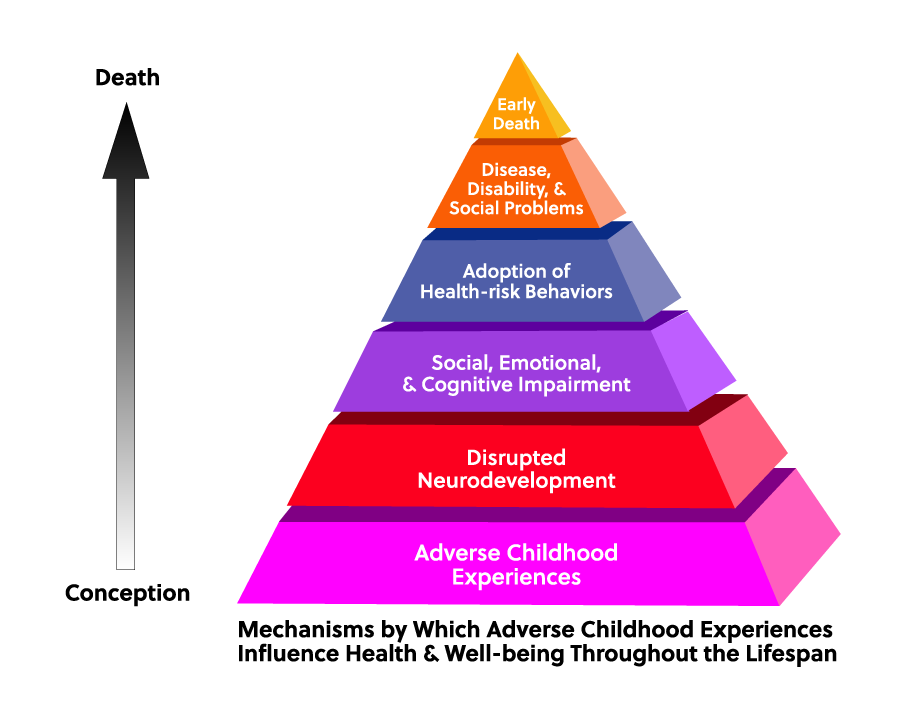
What makes some people so resilient and what does this have to do with ACEs? As we’ve learned, ACEs are Adverse Childhood Experiences that have a dramatically detrimental effect on a person’s lifelong mental and physical health. The statistics for those with high ACE scores seem bleak. They suffer from more diseases, greater levels of depression, alcoholism, and substance abuse. They die, on average, 20 years younger than those with no ACEs. But there is hope and resilience might be the key.
What is resilience?
Resilience is the ability to bounce back from life’s difficulties. It can be described as a varied and dynamic mix of many traits like determination, toughness, optimism, faith, positivity and hope. Resilience isn’t necessarily something a child is born with, although scientists now believe that certain children are genetically predisposed to higher levels of resilience. But the good news for all children is that resilience is like a muscle - the more you exercise it, the stronger it grows, especially in very young children where neural pathways are still forming and thinking patterns are elastic.
ACEs are only one half of any equation to try and predict a child’s future course. While each child is exposed to different degrees of trauma, they also have their own unique set of characteristics that can protect them against that trauma. A high ACE score is not a guarantee of negative outcomes in life. It’s a big warning sign but no child is doomed by their ACE score.
Two crucial factors are at play: 1.) The child’s own biological and developmental characteristics (their “nature”) and 2.) external influences from their family, community, and support systems. When these influences are positive, we call them “protective factors”. Protective factors help explain why some people who have sustained a great deal of adversity as children fare relatively well in adulthood.
Like a balancing scale, resilience is the result of interactions between a person’s ACEs on one side and his or her protective factors on the other.
How does resilience develop?
Researchers continue to refine their understanding of the components and processes involved in resilience. However, there is agreement about a variety of important conditions that support resilience.
• Close relationships with competent caregivers or other caring adults
• Parental resilience
• Caregiver knowledge and the use of positive parenting skills
• Having a sense of purpose (through faith, culture, identity, etc.)
• Individual competencies (problem solving skills, self–regulation, autonomy, etc.)
• Opportunities to connect socially
• Practical and available support services for parents and families
• Communities that value people and support health and personal growth
Protective factors help a child feel safe more quickly after experiencing the toxic stress of ACEs. Protective factors can neutralize the physiological changes that naturally occur during and after trauma. This protects the developing brain, the immune system, and the body as a whole from negative effects.
If the child’s protective factors are firmly in place, development can be sound, even in the face of severe adversity.
If these protective factors are inadequate, either before or after the traumatic experience, then the risk for developmental problems is much greater. This is especially true if the environmental hazards are intense and prolonged.
Resilience can be the antidote to ACEs
The negative consequences of ACEs can be counteracted with support, care, and appropriate intervention. Through positive relationships, children learn to develop crucial coping skills. They know that they are not alone, and they adopt healthy ways to process stress.
When children are taught coping mechanisms at a young age, they start to exercise their resilience muscle. As a child moves into maturity, they need to keep working their resilience muscle. When they do, they continue to grow stronger and are better equipped to manage the ups and downs of life.
Support in Childhood Pays Off in Adulthood
A 2017 “ACEs and Resilience” study conducted by the National Health Service in Wales found that, overall, having supportive friends, opportunities to engage with their community, people to look up to, and other sources of resilience in childhood more than halved the current mental illness in adults with four or more ACEs from 29% to 14%. Adults who acknowledged having childhood protective factors reported a reduced rate of suicidal thoughts and self-harming of 19% versus those without protective factors, who reported 39%.
We know that resilience requires that a child can rely on the presence of at least one supportive, caring adult. But who are these people? Are you one of them? Every child is surrounded by adults who can help them: family members, friends, neighbors, teachers, counselors, coaches, medical professionals, etc. These positive adult role models can be a buffer in a child’s life. A buffer is like a shield that helps to block some of the negative effects of ACEs exposure.
We’ll share more about being a buffer in our next blog.
Sign up for our newsletter to stay up-to-date on our Fighting ACEs initiative.

 Of the eight grants awarded this cycle, Quantum Foundation allocated $250,000 to the Center for Child Counseling (CCC) for the organization's work with ACEs (Adverse Childhood Experiences). CCC is considered the leader in ACEs and Trauma Informed Training and is driving the conversation on ACEs in Palm Beach County. The grant will help support staff positions to provide educational workshops, training and consultation for teachers, caregivers and professionals about ACEs, trauma, and integration of effective strategies to promote buffers and lifelong health for babies and young children.



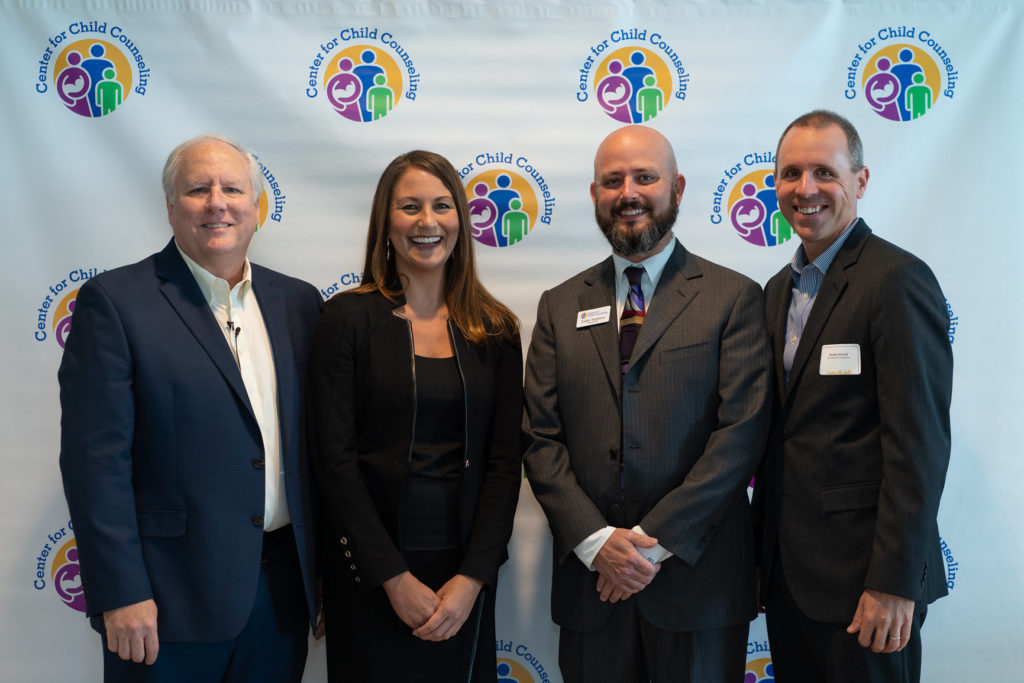
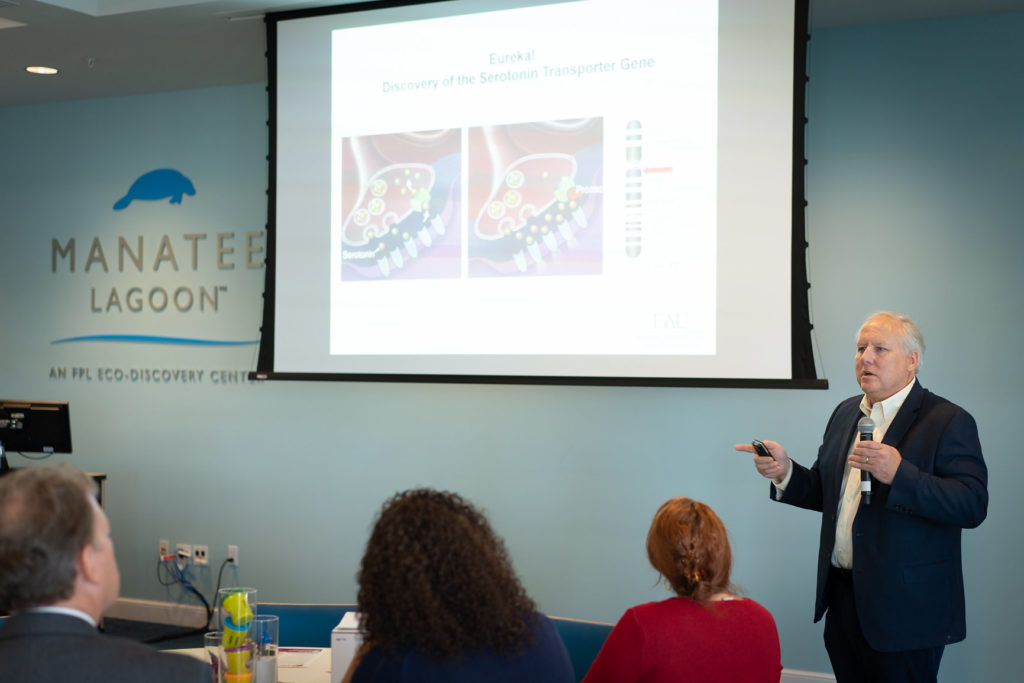 The event’s keynote speakers from the
 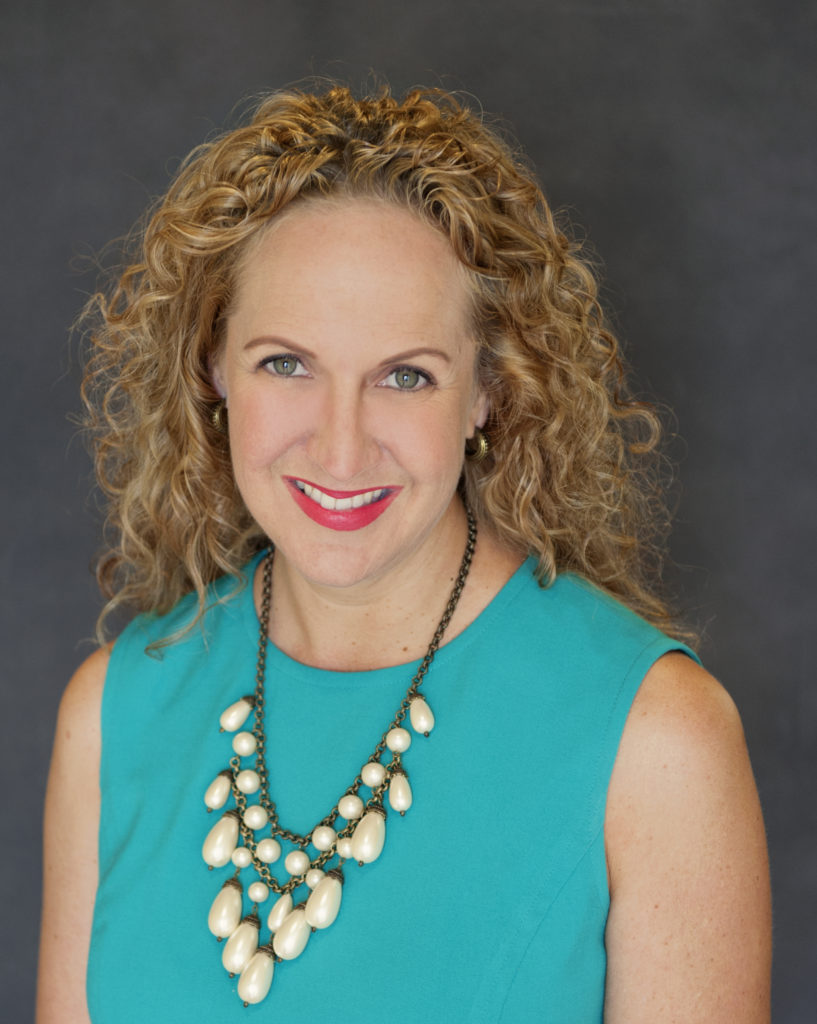 We are pleased to announce that Kerry Jamieson has joined our team as Director of Community and Public Relations! Kerry was born in Durban, South Africa and received an undergraduate degree in English and History from the University of Miami and a postgraduate qualification in screenwriting from UCLA.
 We are pleased to anounce that Dr. Jennifer Konsker, pediatrician, has joined the Board of Directors at Center for Child Counseling.
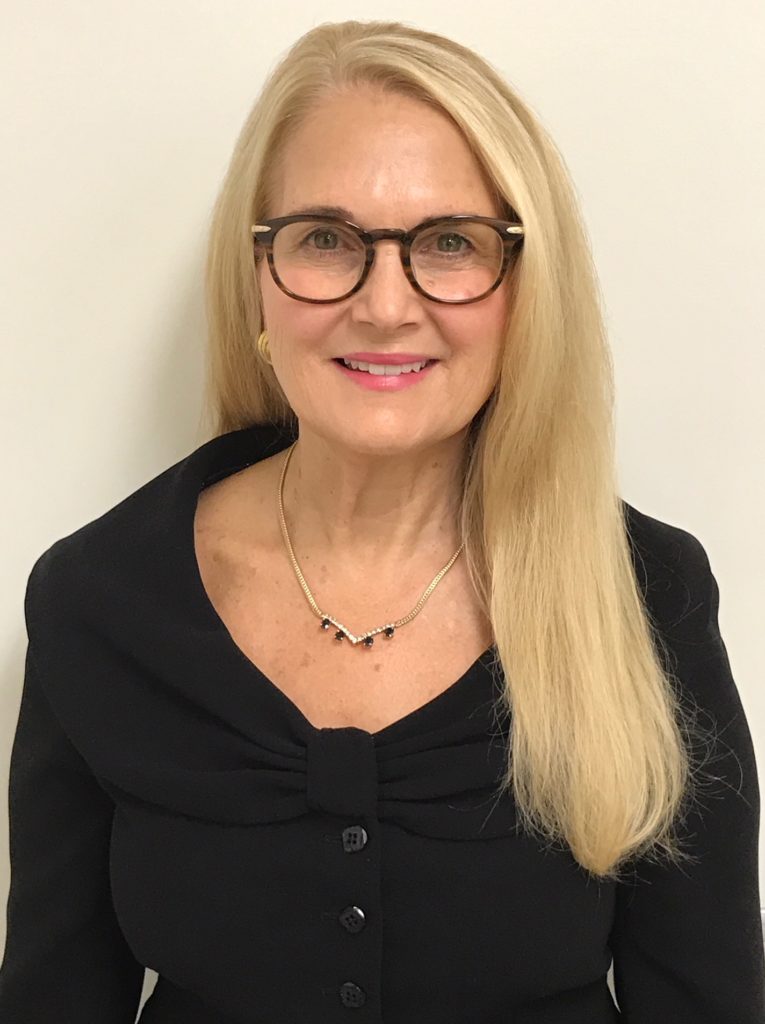 Director and Audit Committee Chairwoman, Madeline Morris, MBA/CPA is a seasoned professional with a 40-year proven track record of assisting clients. Her areas of focus have been in the enhancement of Corporate Governance, designing and implementing effective risk focused reporting, regulatory, compliance and internal control policies and processes. She is a recently retired Managing Director from
  Director, Jennifer Hume Rodriguez has been in the banking industry for over twenty-three years. She grew up in Malvern, PA a suburb of Philadelphia and attended Penn State University where she received a BA in Liberal Arts. Upon graduating college in 1989, Jennifer chose to move to Florida, first to Jacksonville and then to the West Palm Beach area in 1990. She has been a resident of Palm Beach County for twenty-seven years.
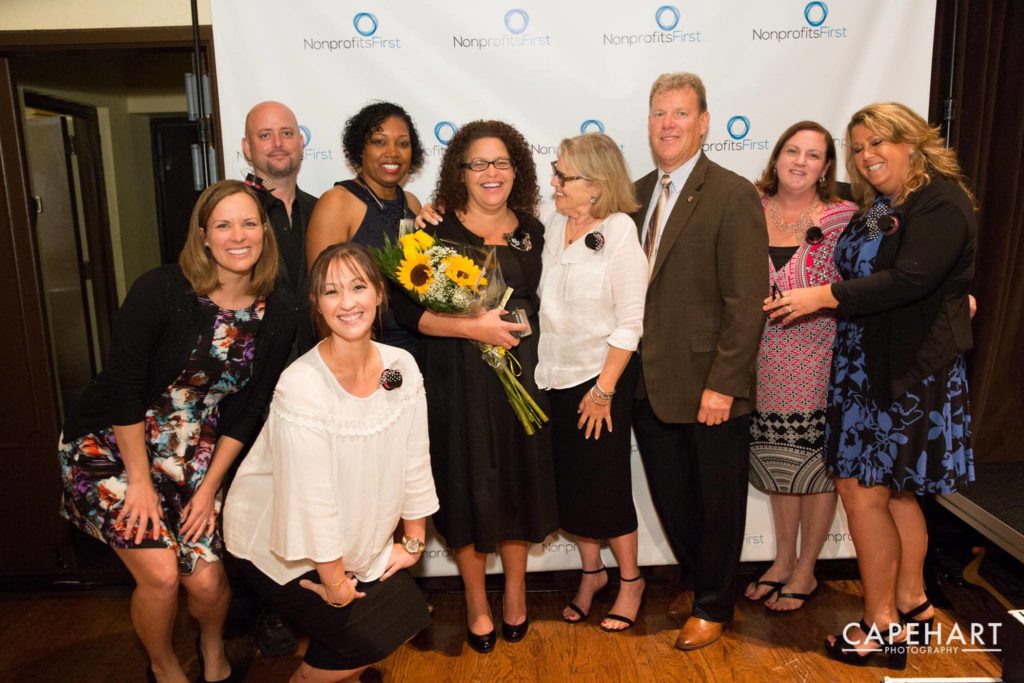 The award honored an executive “whose distinguished achievements have resulted in significant progress toward improving a community issue.” They must also be recognized by their peers as a leader in the sector, demonstrating excellence in leadership and management, and inspiring others to achieve meaningful, measurable, and sustainable results. During her acceptance speech, Ms. Layman touched on the increased demand for the services that Center for Child Counseling provides to at-risk children in the Palm Beach County area: “Unfortunately, there’s so much need in our community, so we continue to provide innovative and evidence-based programming to meet the needs . . . we love what we do.” Center for Child Counseling is filling critical gaps in the services for at-risk children in our community. Under her leadership over the past year, Center for Child Counseling has provided direct services for over 3,000 children – and trained over 3,500 professionals in the educational, medical, and childcare sectors.