A Way of Being
with Children
A Trauma- and HOPE-Informed Approach to Building
Safety, Resilience, and Well-Being
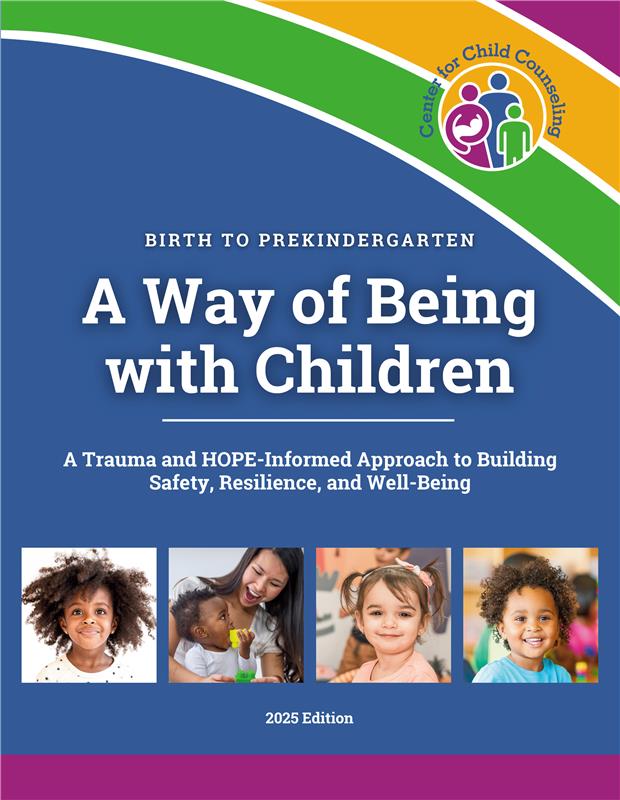
What if the most powerful thing you could do for a child wasn't a technique — but a way of showing up? Grounded in decades of research on brain development, positive childhood experiences, and the science of resilience, A Way of Being with Children transforms how adults connect with the children in their lives.
More Than a Program —
A Way of Being
Imagine relationships where children feel accepted and adults feel empowered. A Way of Being with Children is built on decades of research into child brain development, the expertise of countless professionals, and the transformative power of Positive Childhood Experiences and healthy relationships early in life.
"Children do not experience our intentions, no matter how heartfelt. They experience what we manifest in tone and behavior."
— Dr. Gabor MatéA Way of Being is not a technique or a checklist. It is a posture of the heart — who you are when you are with a child, not simply what you do. It begins with understanding that the single most powerful protective factor in a child's life is a safe, stable, nurturing relationship with at least one caring adult.
Our approach is grounded in the science of Adverse Childhood Experiences (ACEs) and the HOPE framework — Healthy Outcomes from Positive Experiences. Together, they show us that positive experiences don't just help in the absence of adversity; they actively buffer against its effects, changing a child's brain and trajectory.
This is the cornerstone of everything we do at Center for Child Counseling — and it begins with how every adult shows up for every child, in every moment.
Understand how adverse experiences shape a child's developing brain, behavior, and capacity for connection — so your response builds safety rather than adding harm.
Every positive interaction changes a child's trajectory. Through relationships, environments, engagement, and emotional growth, you are building resilience in real time.
Your calm is a child's calm. Empathy, attunement, and self-regulation aren't extras — they are the most powerful interventions you can offer.
The HOPE Framework
Healthy Outcomes from Positive Experiences — a paradigm shift in how we understand child development. While ACEs science tells us what can go wrong, HOPE shows us what we can do right. Positive childhood experiences don't just help — they actively buffer against the effects of adversity.
Children thrive when they have stable, responsive relationships with caring adults. These connections create the foundation for healthy brain development, emotional regulation, and the capacity to form relationships throughout life.
Physical and emotional safety are prerequisites for learning and growth. When children feel safe in their homes, schools, and communities, their brains are free to develop, explore, and build resilience.
Belonging matters. When children participate in shared activities, cultural traditions, and community life, they develop a sense of identity, purpose, and connection to something larger than themselves.
Children need opportunities to develop self-awareness, emotional regulation, empathy, and problem-solving. These skills don't emerge on their own — they are built through guided experience and supportive relationships.
A landmark study published in JAMA Pediatrics found that adults who reported positive childhood experiences were significantly less likely to experience depression and poor mental health — even if they also had high ACE scores. This means every positive experience you create for a child is building resilience that lasts a lifetime.
Bethell, C. et al. (2019). Positive Childhood Experiences and Adult Mental and Relational Health. JAMA Pediatrics.
The Manual That Changes How
Adults Show Up for Children
A practical, research-based resource designed for anyone who cares for, teaches, counsels, or advocates for young children.
A Way of Being with Children
A Trauma- and HOPE-Informed Guide for Adults
Who Care for Young Children
The newly revised PreK Manual from Center for Child Counseling is grounded in trauma-informed care and the HOPE framework (Healthy Outcomes from Positive Experiences). It offers easy-to-use strategies to build emotional safety, strengthen relationships, and respond with compassion to challenging behaviors — helping adults create environments where young children can learn, grow, and thrive, even in the face of adversity.
"Support every child by transforming how we care for them — one relationship at a time."
Developed by Center for Child Counseling's team of experts in child development and early relational health, the manual reflects more than 25 years of direct clinical experience serving children and families in Palm Beach County.
Videos, Workshops & Resources
Our team of child mental health and safety experts have developed an array of videos, tip sheets, and workshops to support the adults who work and live with children.
Learn how adverse experiences affect a child's developing brain and what adults can do to respond with compassion and build safety.
Discover practical strategies for creating positive childhood experiences that build resilience and strengthen relationships.
Workshops for Parents & Caregivers
Access self-paced workshops and training on our online learning platform at BeKidSafe.org. Designed for parents, caregivers, and the adults in children's lives — learn the skills that build safety, resilience, and connection, on your own schedule.
Explore Workshops →
Every Child Deserves an Adult Who
Understands Their Way of Being
Whether you're a parent, educator, counselor, or community leader — the way you show up for a child can change their trajectory. Start with the manual. Continue with our workshops and resources.
