
Organizations

For Schools, Camps & Youth-Serving Organizations

Prevention is a system, not a training day

A curriculum is one part. What actually protects children is who you hire, how you supervise, whether staff know exactly what to do, and whether a child believes an adult here would help. We build that with you.

Immediate danger 911
Report abuse in Florida 1-800-962-2873
Crisis support 988
RAINN, 24/7 800.656.4673

If you are worried someone may see what you are reading, use Leave This Site and then clear your browser history. Pressing Escape three times also exits.

Why This Matters Here

Five things determine whether a child is safe in your care

Organizations tend to think about prevention as a training to schedule. The research and the case files both say otherwise: what protects children is a set of systems that make harm harder to do and easier to report.

Who you let in

Screening, references, and interview questions that actually ask about boundaries with children.

What can be seen

Observable and interruptible. Reducing one-adult, one-child unobserved time protects children and staff alike.

What happens next

A reporting protocol every adult can state from memory, including when the concern is a colleague.

Who is trained

Every adult, not only child-facing staff. A child tells the person they trust, and that is often the bus driver.

What children know

Skills and words of their own. Adult training and child education together outperform either alone.

The two most effective ways to prevent child sexual abuse are education and training focused on adults, and skills training focused on children. Programs that do both outperform programs that do either alone.

Committee for Children, 2016 · the research base for Stay KidSafe!™

Free Self-Assessment

Is your organization prepared?

Ten questions across the five things that actually determine whether a child is safe in your care. Takes about three minutes. You will get a plain assessment and a short list of what to fix first.

Nothing is saved, sent, or seen by us. This runs entirely on your own device.

Question 1 of 10

Florida Law

Mandated reporting, plainly

Your staff almost certainly know a reporting policy exists. Far fewer could tell you what the law actually requires of them personally, and the gap between those two things is where children fall through.

1

Every person is a mandated reporter

In Florida this is not limited to teachers, clinicians, and clergy. It is everyone, including volunteers and parents.

2

The duty is personal, not institutional

It attaches to the individual who holds the suspicion. Your organization cannot discharge it on their behalf.

3

Suspicion is the standard

Reasonable cause to suspect. Not proof, not certainty, and not something staff must establish first.

4

Good-faith reporters are protected

Immunity from civil and criminal liability, and protection from retaliation by an employer.

The most consequential misunderstanding in schools

Telling your principal is not reporting

Staff routinely tell an administrator, believe they have done what was required, and go back to class. If no report is made to the hotline, the legal duty has not been met and the child is not protected.

Follow your internal protocol, because your administrator has separate responsibilities and the child will need support. But the person with the suspicion should make the call themselves, or confirm directly with the hotline that a report was made and obtain the reference number.

If anyone instructs a staff member not to report, they should report anyway. Knowingly preventing another person from reporting is itself a third-degree felony.

What the statutes say

Section 39.201
Any person who knows, or has reasonable cause to suspect, that a child is abused, abandoned, or neglected must report it immediately to the central abuse hotline. The statute separately requires a report from anyone who suspects a child is the victim of sexual abuse or juvenile sexual abuse.
Section 39.203
Protects a good-faith reporter from employer retaliation, including dismissal or disciplinary action taken because they made a report.
Section 39.205
Provides immunity from civil and criminal liability for reports made in good faith. It also makes it a felony of the third degree to knowingly and willfully fail to report, or to knowingly and willfully prevent another person from reporting.

Must give their name

  • School officials, teachers, and other school personnel
  • Physicians, nurses, and other health professionals
  • Mental health professionals
  • Child care workers and foster care workers
  • Law enforcement officers
  • Judges and social workers

Have name, role, organization, and contact details ready before calling.

May report anonymously

  • Members of the general public
  • Neighbors, relatives, and family friends
  • Volunteers who are not in a listed occupation

Reporter identity is confidential under Florida law in either case, with disclosure limited to authorized parties in the investigation. It is not always impossible for a family to guess.

When the concern is about a colleague

The hardest report to make, and the one most organizations have never planned for. Nothing about the legal obligation changes.

  1. Make sure the child is safe right now. If there is immediate danger, call 911.
  2. Report to the hotline yourself. Do not wait for permission and do not route it through the person's supervisor first.
  3. Follow your district or organizational protocol in parallel. That process runs alongside the statutory duty; it does not replace it.
  4. Document what you observed, factually, with dates and times, and keep it per your records policy.
  5. Do not confront the person or warn them. It gives them time to prepare a child, an explanation, or to destroy evidence.
  6. Do not discuss it with other staff. Rumor damages the investigation, and it damages the person if the concern turns out to be unfounded.
  7. If you are told to stand down, report anyway, and document who gave that instruction and when.

Florida Abuse Hotline · 24 hours

1-800-962-2873

Online at reportabuse.dcf.state.fl.us · Fax 1-800-914-0004 · Immediate danger, call 911

What We Offer

From one session to a whole system

Most of what we do is free. Where there is a cost it is small, and it is stated here rather than hidden behind a form.

Free

Stay KidSafe!™ curriculum

Personal safety education for Kindergarten through 5th grade, self-serve online and available to any school anywhere.

  • Animation, activities, and songs
  • Lesson plans and guides
  • Parent letters in English and Spanish
  • PreK delivered in person in Palm Beach County
See the curriculum
Free

Educator & staff training

One hour, self-guided, online. Approved by the School District of Palm Beach County and districts in Texas.

  • Recognizing children at risk
  • Professional protocol and boundaries
  • Mandated reporting procedures
  • Responding to a disclosure
Access training
Camps nationwide

CampSafe® Levels 1 & 2

Child abuse prevention training built specifically for camp staff and leadership, with an advanced curriculum for returning staff.

  • Level 1 for new staff
  • Level 2 for returning staff
  • Online and self-paced
  • Group pricing available
See CampSafe®
$10 per user

SchoolSafe for resource officers

For SROs, police, and detectives. Prevalence and long-term impact, recognizing an abused child, the grooming process, and responding to disclosure.

  • One hour, self-guided
  • Built for law enforcement in schools
Enroll
Custom proposal

In-person programming

Delivered by our team, built around what your organization actually needs rather than a fixed package.

  • Single classroom sessions
  • Full-school assemblies
  • Multi-week curriculum delivery
  • Parent education workshops
  • Faith communities and out-of-school-time programs
Request a proposal
Free

Healthcare professional training

Foundational knowledge for clinicians and practice staff on child sexual abuse, ACEs, prevention, disclosure, and reporting.

  • One hour, self-guided
  • Pediatric and primary care settings
Access training

We bring it to you

Prevention education only works if it reaches the children who need it. Our team delivers KidSafe programming in person at partner schools and sites, at community events, and through the Mobile HOPE Unit.

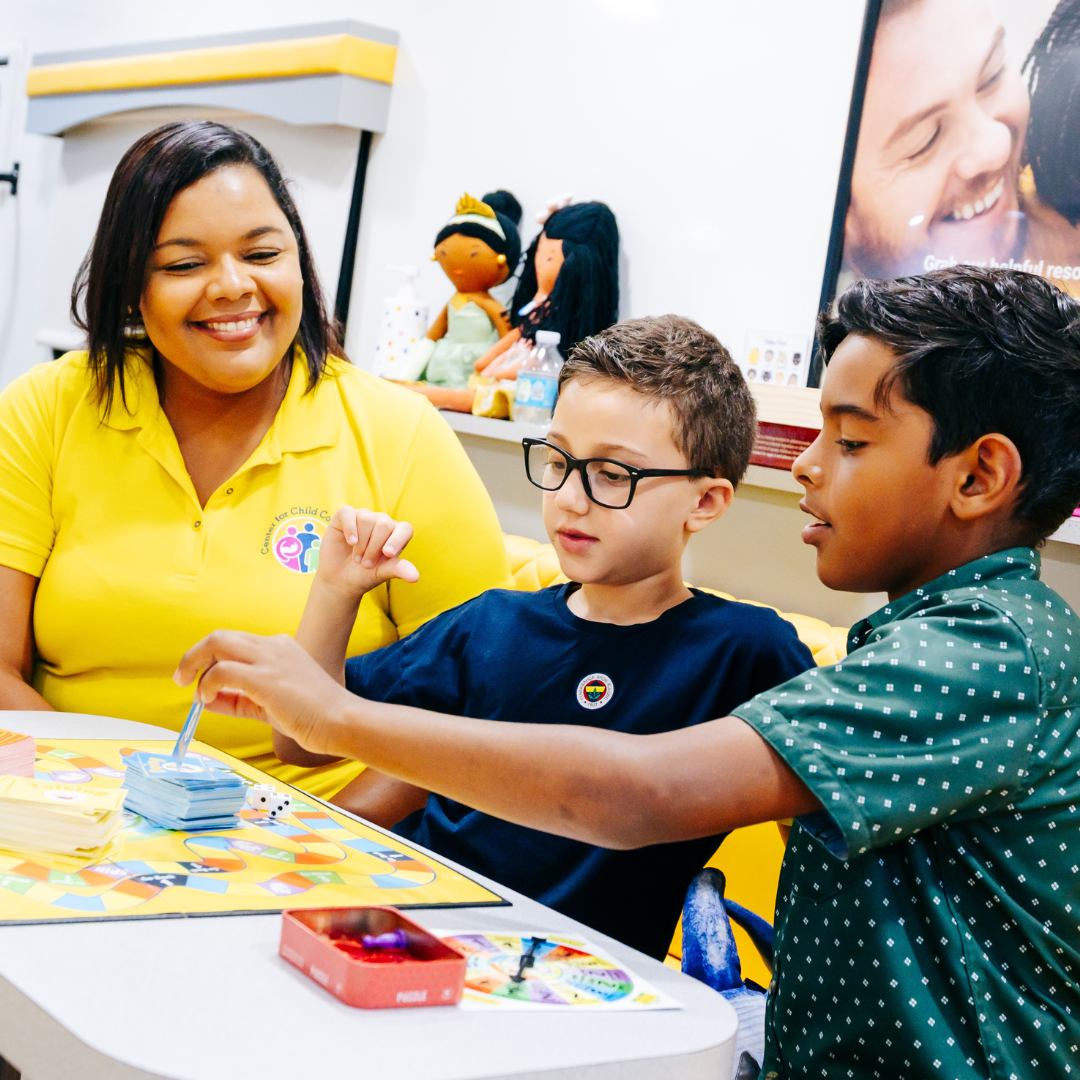
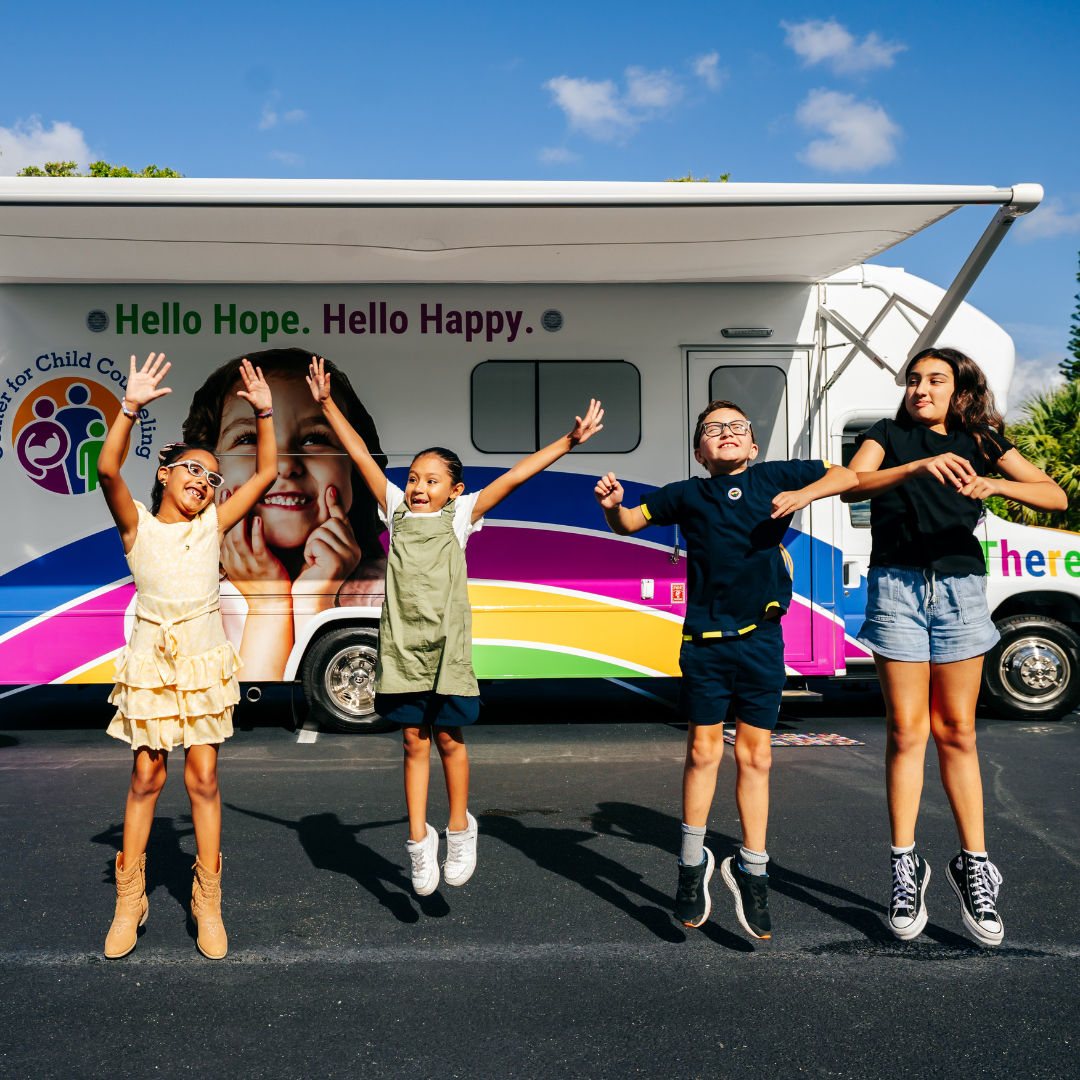
Children taking part in interactive personal safety learning at the Mobile HOPE Unit

We bring the classroom to the parking lot, the health fair, and the neighborhood that has no bus route.

The Mobile HOPE Unit
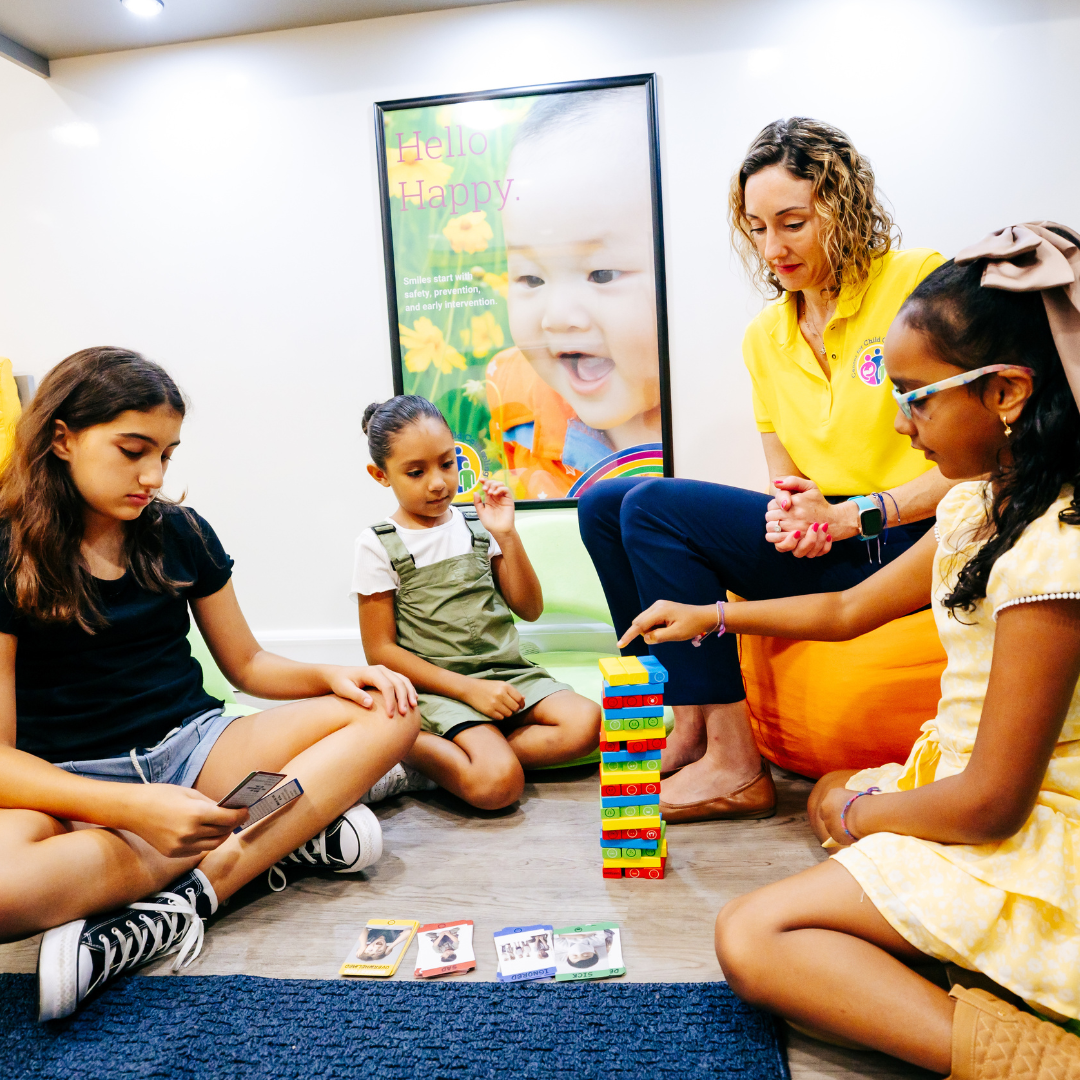
Center for Child Counseling staff engaging children in safety education
Fun, empowering personal safety education in the community

The Mobile HOPE Unit

A classroom on wheels. The Mobile HOPE Unit brings personal safety education, activities, and our team directly to schools, neighborhoods, and community events, including places where transportation is the barrier between a child and a program.

If you have seen it at an event, that is what these photographs are.

Embedded in schools and sites

KidSafe programming is provided at no cost to our co-located partner sites across Palm Beach County, part of an embedded model that puts prevention education where children already are.

Our team also delivers programming in Martin County, funded by the Children's Services Council of Martin County.

Want KidSafe at your school or organization?

We build customized proposals, from a single classroom session to a full-school assembly, multi-week curriculum, or parent workshop.

Request a proposal

Your Team

Who you will actually work with

Not a call centre. These are the people who will build your proposal, deliver the training, and answer the phone afterwards.
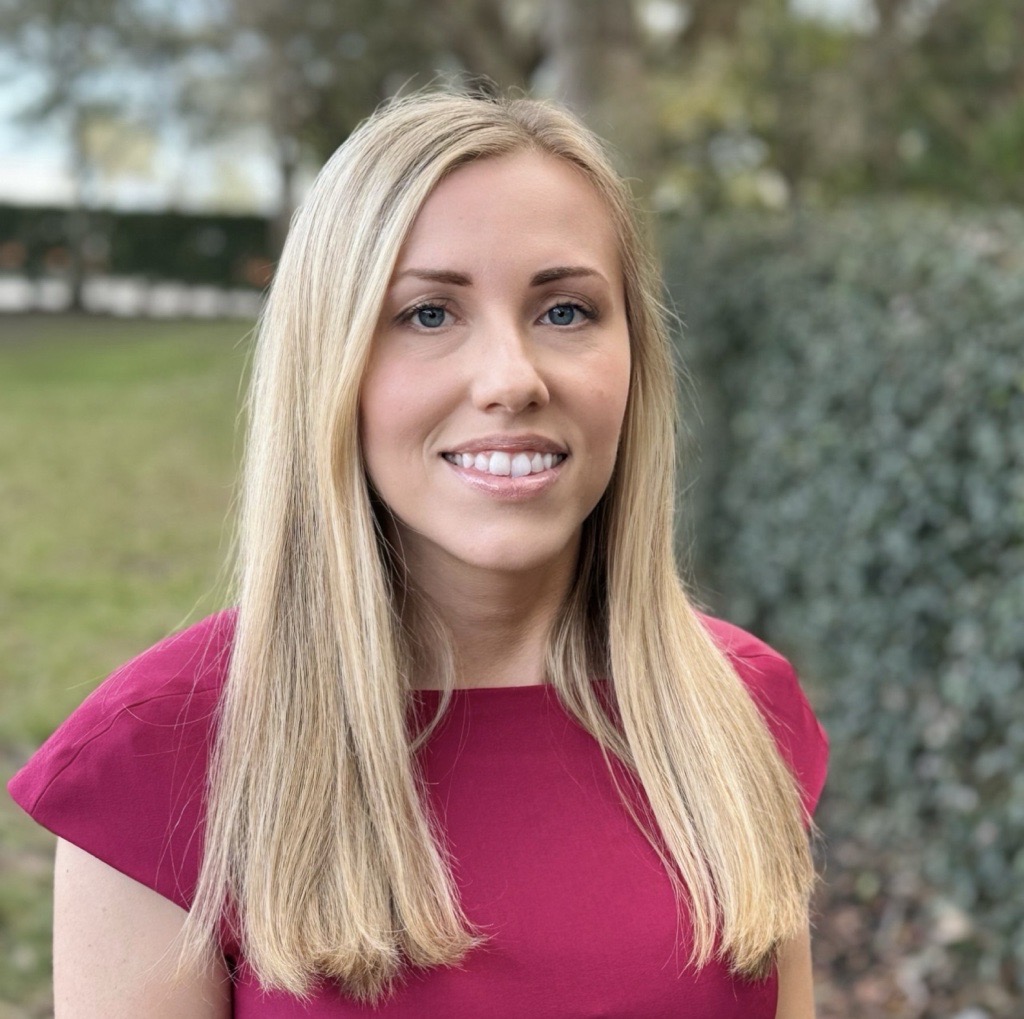
Dominika Nolan

Dominika Nolan

Sr. Director, Development & Community Education

Builds training partnerships across Palm Beach and Martin Counties. Your first conversation about a proposal is with her.
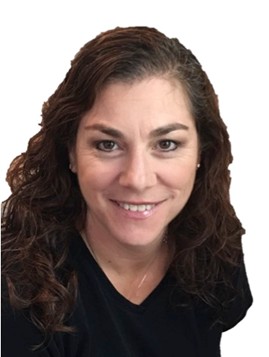
Elysse Dion

Elysse Dion

Director of Digital Learning & Innovation

Runs BeKidSafe.org, the platform behind every course we offer. Handles enrollment and access for your whole staff team.
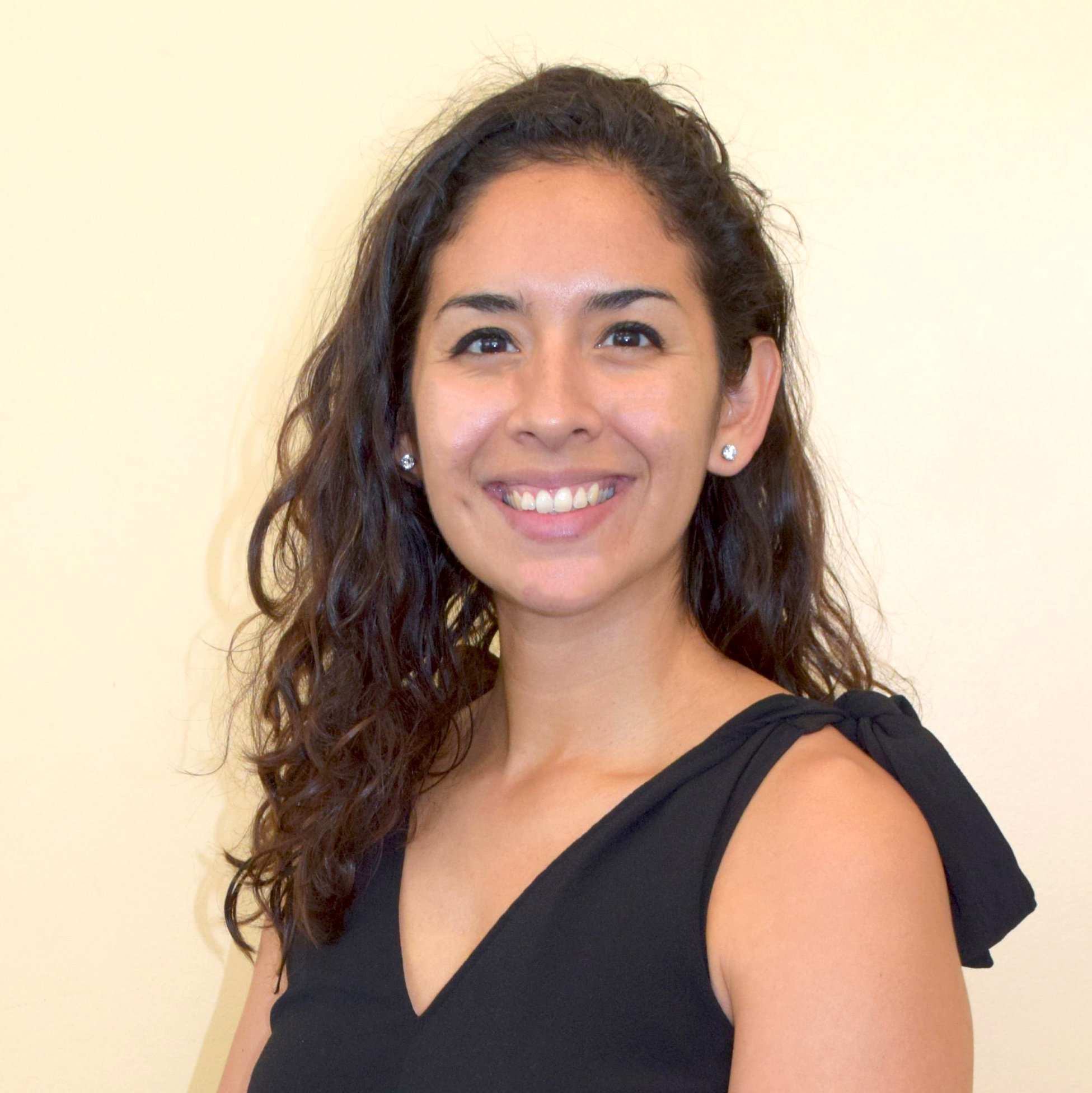
Stephanie De La Cruz

Stephanie De La Cruz

Trainer, Education & Prevention

Delivers programming directly in schools and community settings, with real expertise in culturally responsive practice.
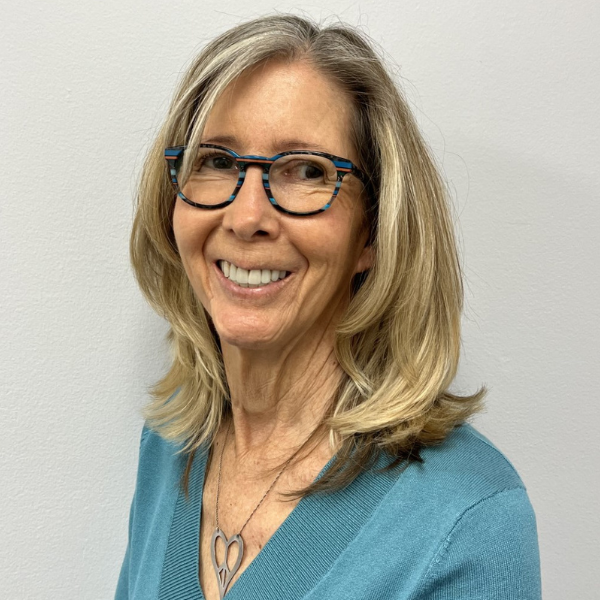
Cherie Benjoseph, LCSW

Cherie Benjoseph, LCSW

Creator, Stay KidSafe!™ & CampSafe®

Licensed clinical social worker and nationally recognized child safety expert. She wrote the curriculum your staff will teach.

Track Record

Districts and camps already trust this

Since 2009, KidSafe programming has reached children and trained adults across Florida and beyond.

60,000+

Children reached with personal safety education

50,000+

Adults trained to be better protectors

180+

Camps nationwide using CampSafe®

2009

The year this work began

Approved and in use

School District of Palm Beach County
School District of Martin County
School districts in Texas
Children's Services Council of Martin County

Martin County programming is funded by the Children's Services Council of Martin County. Programming is free at our co-located partner sites across Palm Beach County.

Next Step

Start wherever makes sense for you

You do not need a budget, a committee, or a plan to begin. Two of the three routes below cost nothing and can start today.

Request a custom proposal

Tell us about your organization and we will build something around what you actually need. In-person sessions, assemblies, multi-week delivery, or parent workshops.

Submit a request

Register your school

Get your staff into the free curriculum and the free educator training on BeKidSafe.org. No proposal, no meeting, no cost.

Register now

Train your camp staff

CampSafe® Level 1 for new staff and Level 2 for returning staff, online and self-paced, with group pricing.

See CampSafe®

Rather just talk to someone?

Call 561-244-9499 or email our team.

Hablamos español. Serving Palm Beach and Martin Counties in person, and schools nationwide online.

Protecting Children Is a System

Build it before you need it

Most of what we offer costs nothing, because our donors pay for it. You do not need a budget, a committee, or a plan to begin. Start with the free training today and build the rest with us.

Three minutes
Is your organization prepared? Ten questions across screening, supervision, reporting protocol, staff training, and families. You get a plain assessment and a short list of what to fix first.
Take the check →

Serving Palm Beach and Martin Counties in person, and schools nationwide online. Hablamos español. Call 561-244-9499 or email info@centerforchildcounseling.org.

Social media & sharing icons powered by UltimatelySocial