

For Parents & Caregivers
The words that make a child able to tell you
You do not need one big talk. You need small, ordinary conversations that start early and keep going, and a relationship where your child already knows what your answer will be.
If you are worried someone may see what you are reading, use Leave This Site and then clear your browser history. Pressing Escape three times also exits.
Free Tool for Families
What to say, at every age
You do not need one big talk. You need small, ordinary conversations that start early and keep going. Pick your child's age for words you can use this week.
Ages 2 to 4
At this age you are not talking about abuse. You are teaching accurate words and the idea that a child's body belongs to them. That is the foundation everything else is built on.
Try saying
- "Your body belongs to you."
- "The parts under your bathing suit are private."
- "You can say no to a hug. A wave is okay too."
- "No grown-up should ask you to keep a secret from me."
- "You will never be in trouble for telling me something."
What is normal
- Curiosity about their own body and other people's
- Touching themselves, including in public. Redirect, do not shame
- Asking where babies come from
- Wanting privacy sometimes and none at all other times
One thing to avoid
- Nicknames for body parts. Use the real words. A child who says "he touched my pee-pee" may not be understood or believed, and a person looking for a target notices which children have not been taught the real words
- Requiring affection. "Give Grandpa a hug" teaches a child their body is not theirs to control
The habit to build: ask permission before you touch your own child. "Can I pick you up?" Modeling consent at three is what makes it recognizable at thirteen.
Ages 5 to 7
This is when children can hold the idea of safe and unsafe, and when they can name the grown-ups they would go to. It is also when most children begin the Stay KidSafe!™ lessons at school.
Try saying
- "Who are three grown-ups you could tell if something felt wrong?"
- "A good secret is one you get to tell. A bad secret is one that makes your tummy feel funny."
- "If anyone ever asks you to keep a secret about your body, that is a bad secret, and you tell me."
- "Even if you said yes at first, you can always change your mind."
- "If someone says I will be mad at you, they are wrong. I will never be mad at you for telling."
What is normal
- Wanting privacy when changing or in the bathroom
- Giggly interest in bodies and bathroom words
- Playing house or doctor with same-age friends, briefly and openly
- Asking direct questions with no filter
One thing to avoid
- Stranger danger as the main message. About nine in ten children are abused by someone the family knows, so a child watching for strangers is watching the wrong direction
- Reacting with alarm to a body question. Your face teaches them whether this topic is open
The habit to build: name the Circle of Safe Adults out loud together and revisit it each school year. Children who can name three specific people tell sooner.
Ages 8 to 10
Devices arrive, sleepovers start, and children spend real time in places you are not. This is the age to talk about how people build trust in order to misuse it.
Try saying
- "Sometimes people who seem really nice do things that are not okay. It is not rude to feel unsure about a grown-up."
- "If an adult asks you to keep something from me, that is the thing I most want to know."
- "Nobody should ever ask you for a picture of your body, and nobody should send you one."
- "If something happens online, you can tell me and I will not take your tablet away as a punishment."
- "What would you do if you were at a sleepover and something felt wrong? Let's figure out the plan now."
What is normal
- Strong need for privacy and modesty
- Curiosity about puberty and sex, often asked sideways
- Looking things up, including things you wish they had not
- Pulling toward friends and away from parents
One thing to avoid
- Making the device the punishment. If losing the tablet is the cost of telling you, they will not tell you. Say this out loud, more than once
- One-time talks. At this age a short, casual, repeated conversation beats a serious sit-down every time
The habit to build: agree on a code word or emoji your child can text you from anywhere that means come get me, no questions asked until later.
Ages 11 to 13
Sextortion is now one of the fastest-moving threats to this age group, and it affects boys at high rates. A child in that situation feels trapped within hours. What they need to know in advance is that it is survivable and you will not be angry.
Try saying
- "If you ever send a picture you regret, come to me. You will not be in trouble. I will help you fix it."
- "If someone threatens to share a photo of you, that is a crime they are committing, not one you committed."
- "People online lie about who they are, including people who seem your age."
- "An adult who wants a secret relationship with a teenager is not in love. That is what grooming looks like."
- "You can leave anywhere, any time, and call me. I will never ask you to be polite instead of safe."
What is normal
- Intense privacy, closed doors, and shorter answers
- Interest in romance and in sexual content
- Testing boundaries and questioning your rules
- Confiding in friends before confiding in you
One thing to avoid
- Shame as a safety strategy. Warning a child they will ruin their reputation is precisely what a person extorting them will use next
- Assuming boys are not at risk. Sextortion targets boys heavily, and boys are far less likely to tell anyone
If it has already happened: do not pay, do not delete the account, and take screenshots. Report to the National Center for Missing and Exploited Children at report.cybertip.org, and use takeitdown.ncmec.org to get images removed.
Want the same language taught at school? Stay KidSafe!™ is free for educators →
Recognizing Signs
What to watch for, honestly
There is no checklist that proves anything. What matters is change from how your own child normally is, and you know that better than anyone.
Read this first. Every sign below has ordinary explanations far more often than it has alarming ones. Children regress, withdraw, and act out for a hundred reasons. The point of this list is not to diagnose your child. It is so that if something is happening, you notice sooner rather than deciding you were imagining it.
Behavioral changes
The most common category, and the easiest to attribute to something else.
Physical signs
Far less common than most adults expect. Their absence means nothing.
Sexual knowledge and behavior
Curiosity is normal at every age. What raises concern is knowledge that outpaces development.
Hints and indirect disclosure
Most children never say it plainly. They test the water first, and they are watching your face.
If you are worried right now
You do not need proof, and you are not the one who has to decide whether abuse happened. Reasonable suspicion is the standard, and reporting in good faith is protected.
Online Safety
Sextortion, and what to do if it happens
For most children now, the first contact with someone seeking to harm them will come through a device. Grooming online follows the same pattern as in person, compressed into days or hours.
What sextortion actually is
A child is persuaded to send one image. They are then threatened with its release in order to extract more images, or money. Escalation is fast, and a child experiences it as completely inescapable within hours.
It targets boys at high rates, and boys are far less likely to tell anyone. If you have a son between roughly 11 and 17, this is the online risk to know about.
The leverage is shame. Everything below is designed to remove it in advance.
If it is happening right now
Five things, in this order
- Do not pay. Payment does not stop it. It confirms the leverage works and the demands continue.
- Do not delete the account or the messages. That destroys the evidence. Block the person if you need to, but keep everything.
- Take screenshots of the profile, the messages, and any usernames or payment details.
- Report it. National Center for Missing and Exploited Children, report.cybertip.org. Also report to the platform and to local law enforcement.
- Get the images taken down. takeitdown.ncmec.org works with participating platforms to remove images of minors, free.
Before anything happens
- Take the device off the table as a punishment. If losing the phone is the cost of telling you, your child will not tell you. Say this out loud, more than once.
- Agree a code word your child can text from anywhere that means come get me, no questions until later.
- Keep devices in shared space where you can see screens, especially overnight.
- Ask without interrogating. Who are you talking to? Has anyone made you uncomfortable? Has anyone asked you to keep a conversation secret?
- Know the apps, but do not rely on settings. There is no configuration that prevents this.
Say these, in advance
- “If you ever send a picture you regret, come to me. You will not be in trouble. I will help you fix it.”
- “If someone threatens to share a photo of you, that is a crime they are committing, not one you committed.”
- “People online lie about who they are, including people who seem your age.”
- “An adult who wants a secret relationship with a teenager is not in love. That is what grooming looks like.”
- “You can leave anywhere, any time, and call me. I will never ask you to be polite instead of safe.”
A Short Reflection
The protective factors check
Five questions about the things that make harm less likely. There is no score and no result to be worried about. At the end you get one or two concrete things you could strengthen this month.
Nothing is saved, sent, or seen by anyone. This runs entirely on your own device.
Question 1 of 5
Here is where to start
Nothing below is a verdict on your family. These are the areas where a small, ordinary change tends to make the most difference.
One thing we want to be clear about
Protective factors reduce risk across communities. They do not make any individual family responsible for a decision an adult made to harm a child. That responsibility belongs entirely to the person who did it.
A family with every one of these in place can still have a child harmed by someone who worked patiently for years to earn access. If that is your family, nothing on this page is a list of what you should have done.
For Home and Classroom
Books and activities
Reading together is one of the easiest ways to start a body-safety conversation, because the book carries the words so you do not have to find them.
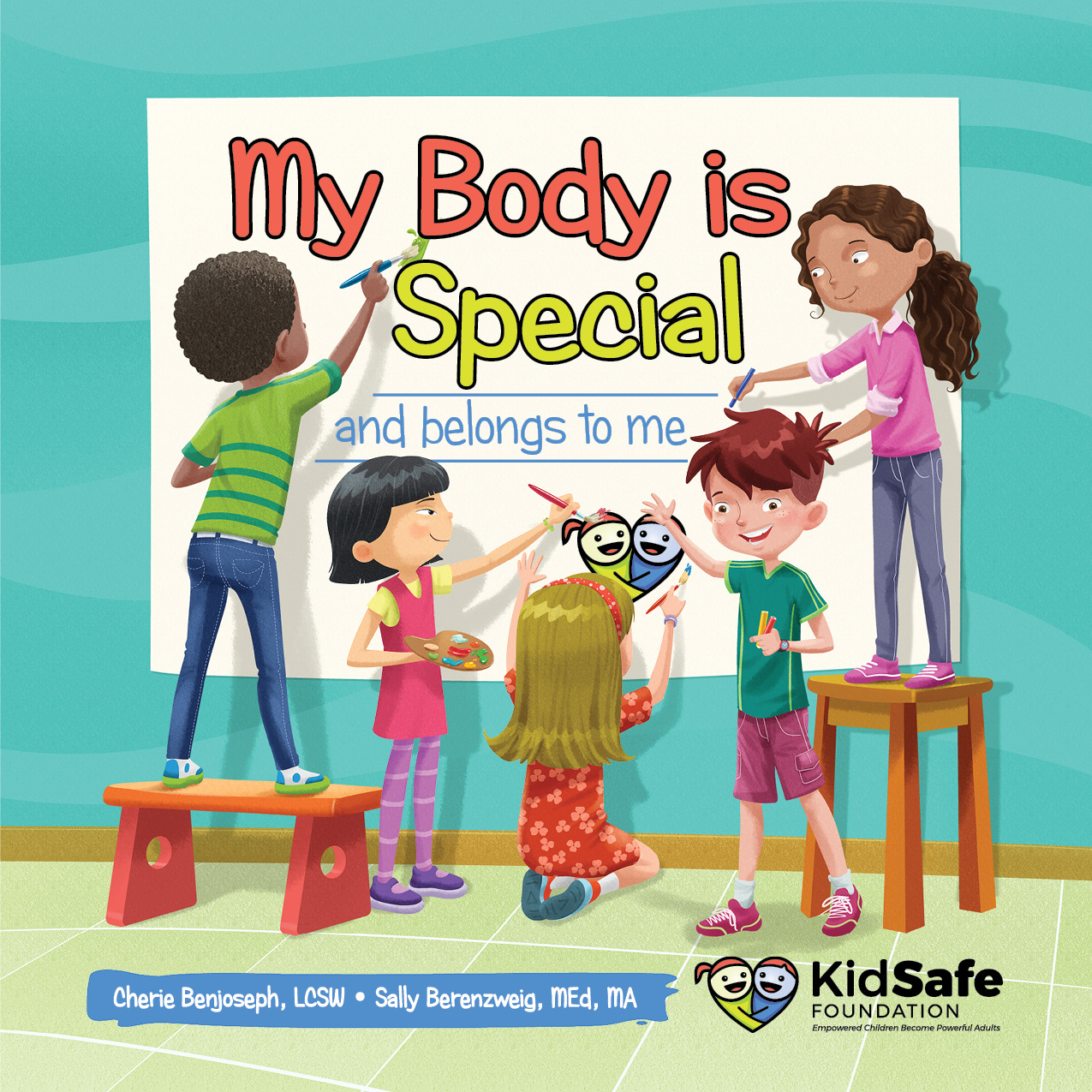
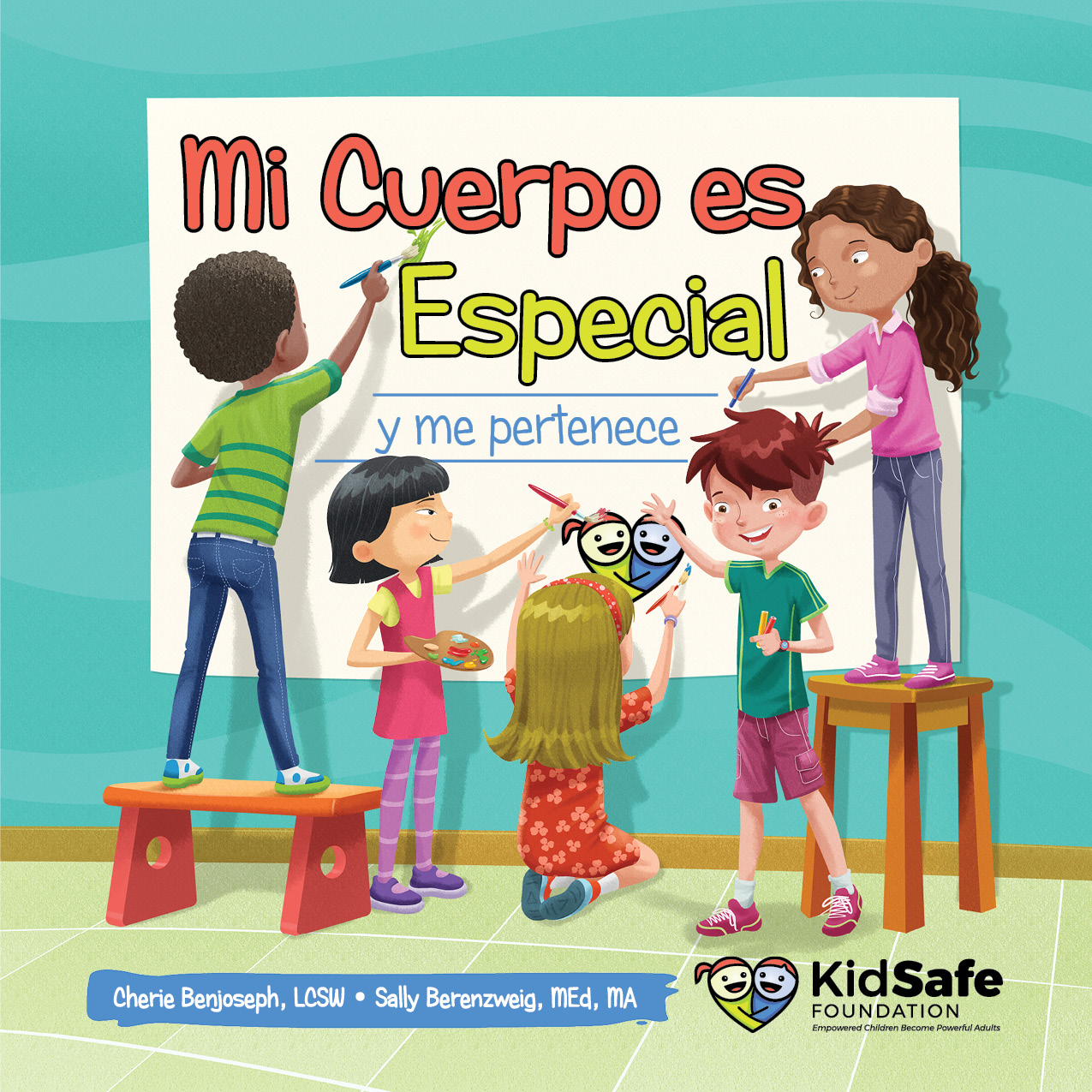
My Body Is Special and Belongs to Me
An illustrated book teaching body safety, personal boundaries, and a child's right to say no, in language that empowers without frightening. Published in English and Spanish.
Get the book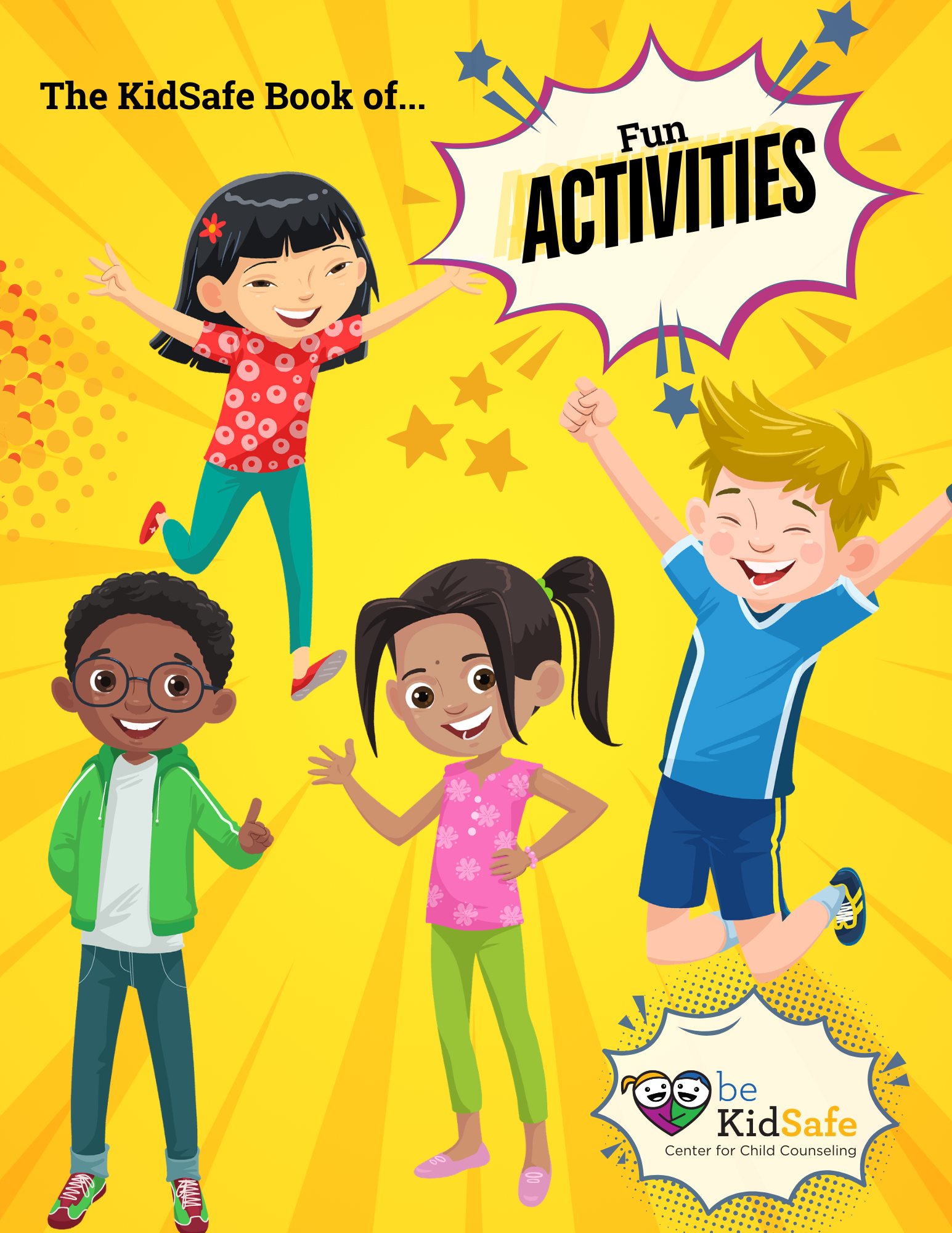
Stay KidSafe!™ Activity Book
Puzzles, drawing, and games that reinforce the personal safety concepts from the curriculum. Works as classroom follow-up or as something to do together at the kitchen table.
Get the bookIf You Came Here for a Different Reason
Are you worried about something specific?
Some people open this page looking for prevention and realise halfway down that they are not preparing. They are already worried about something that happened.
If that is you, there is a page written for exactly that, and you do not need proof to act.
More for Families
Free resources
Everything here is free and needs no account.
When It's Someone You Love
What to do when a child tells you they have been sexually abused and the person they name is inside your family.
Download Free printable · 2 pagesWhat To Say At Every Age
The exact words from age two to thirteen, what is normal at each stage, and what to avoid.
Download Free printable · 1 pageFamily Body Safety Rules
Six rules, three safe grown-ups, and promises the adults sign too. For the fridge.
Download Activity pack · ages 3 to 5KidSafe Activities, PreK to K
Safety Voice, Reporting, never ever touch, and the bathing-suit rule.
Download Activity pack · ages 6 to 8KidSafe Activities, Grades 1 to 2
Think Feel Do, Inner Safety Voice, Stranger Smarts, secrets, and digital safety.
Download Activity pack · ages 8 to 11KidSafe Activities, Grades 3 to 5
Consent, digital dangers, red and green flags, and a signable online safety agreement.
Download Resource collectionThe Feelings Corner
Age-banded tools for naming and managing emotions, from little ones through teens, plus a section for grown-ups.
Explore Tip sheetsWays to Talk to Children
Practical language for hard conversations, built on A Way of Being with Children.
Read WorkshopsParent & Caregiver Education
Online workshops on body safety, warning signs, and responding to a disclosure, on the BeKidSafe.org platform.
Access RAINNPrevention Tips for Parents
Six proactive steps from the nation's largest anti-sexual violence organization.
Read on RAINN En españolRecursos en Español
Recursos para padres y cuidadores, incluyendo el libro Mi cuerpo es especial y me pertenece.
Ver recursosKeep Going
More from KidSafe
KidSafe home
Everything we do to prevent child sexual abuse, in one place.
Go to the hubA child told me something
What to do in the first hour, and how to report without proof.
Get guidanceFor parents & caregivers
The words to use at every age, warning signs, and online safety.
You are here
For schools & organizations
Free training, the readiness check, and custom programming.
See the optionsEvery child deserves to feel safe
Everything on this page is free because our donors believe every family should have it. If your family needs more than a website, Center for Child Counseling provides therapy for children and caregivers across Palm Beach County.
This page is general education, not legal or clinical advice. If you are unsure whether to report, call the Florida Abuse Hotline at 1-800-962-2873 and describe what you know. That is what it is there for.
This page is general education about child safety and abuse prevention. It is not legal, medical, or clinical advice, and reading it does not create a clinical or professional relationship. Laws differ by state and change over time; statutory references reflect Florida law as of the review date above. For advice about your own situation, speak with an attorney, a physician, or a licensed mental health professional.
If you believe a child is being abused, call the Florida Abuse Hotline at 1-800-962-2873. If a child is in immediate danger, call 911.
Phone numbers and links to other organizations are provided for convenience. Center for Child Counseling does not control those services and cannot guarantee their availability.