Little Ones

Ages 3–6 · Little Ones

Every Feeling Is Okay

A gentle, playful place to name big feelings, blow calm bubbles, and grow a garden of how you feel, together with a grown-up.

Tap & play Listen along No reading needed

A young child happily blowing bubbles
For Little Ones
How Do You Feel Today?
Ages 3–6
My Feelings Garden

Plant How You Feel

Tap a feeling. Watch it grow in your garden!

Your garden is ready. Tap a feeling below to plant it!
How do you feel right now?
A Way of Being · For Little Ones

How Do You Feel Today?

Every feeling is okay. Tap a face that looks like how you feel, and let's explore it together.

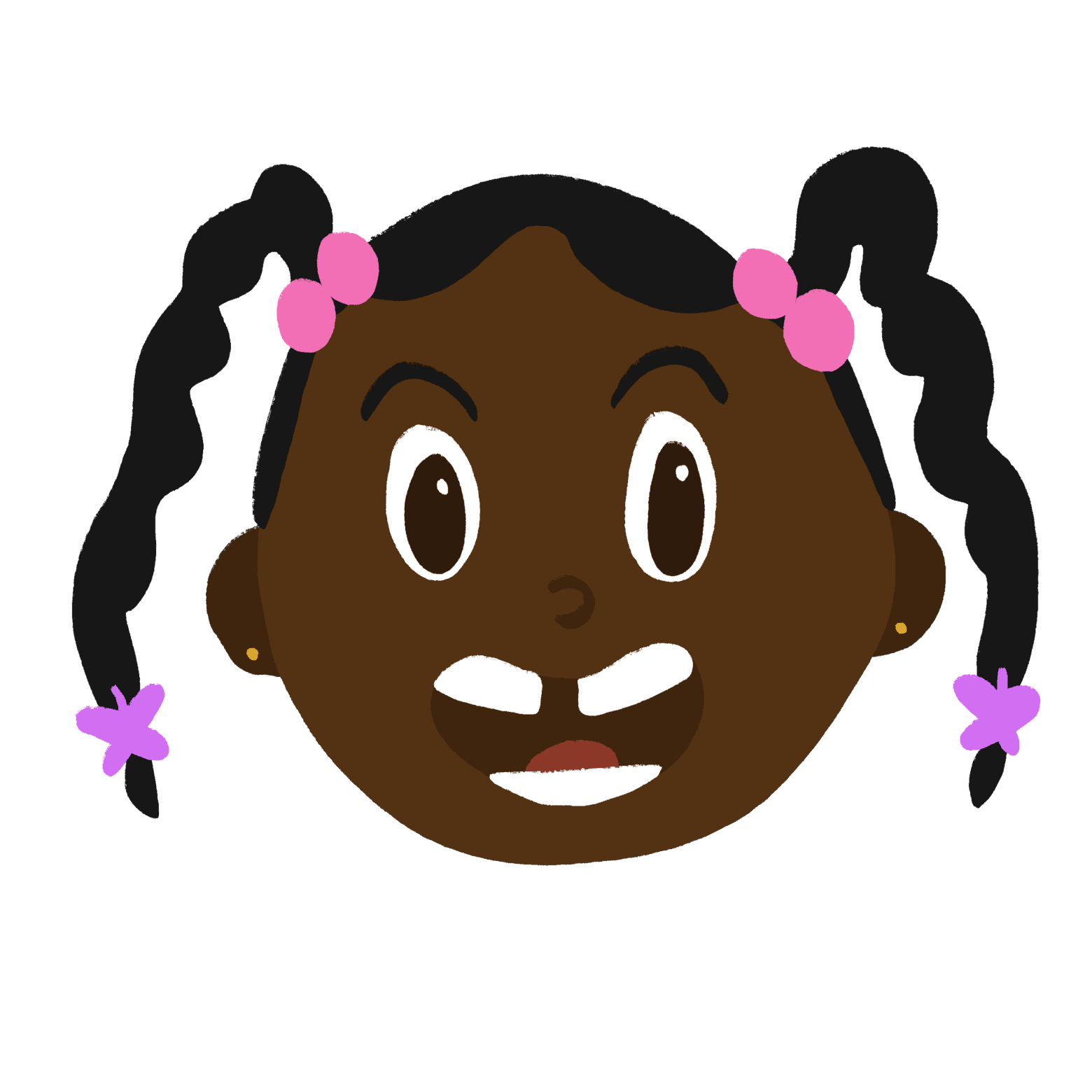
Happy face
Happy
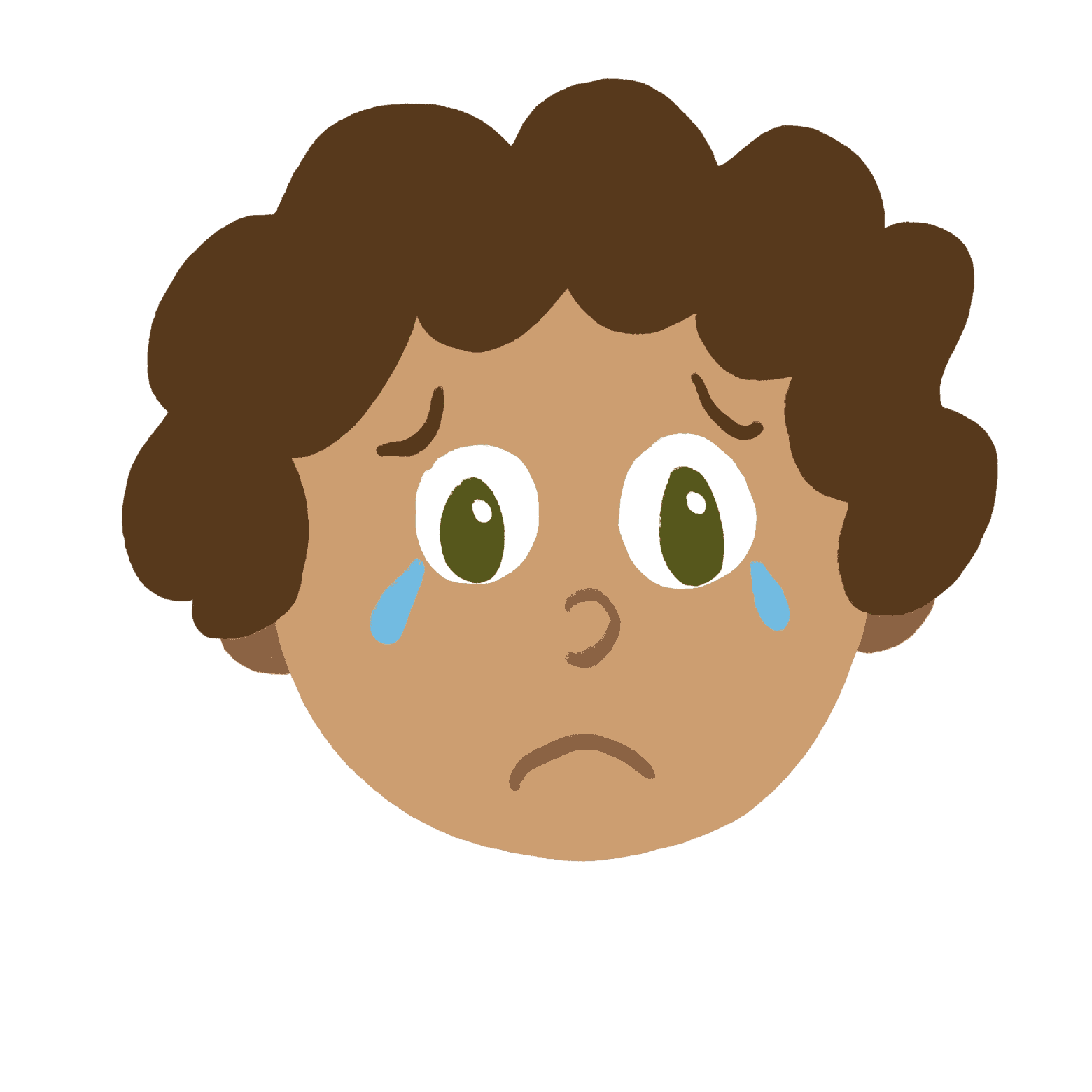
Sad face
Sad
Angry face
Angry
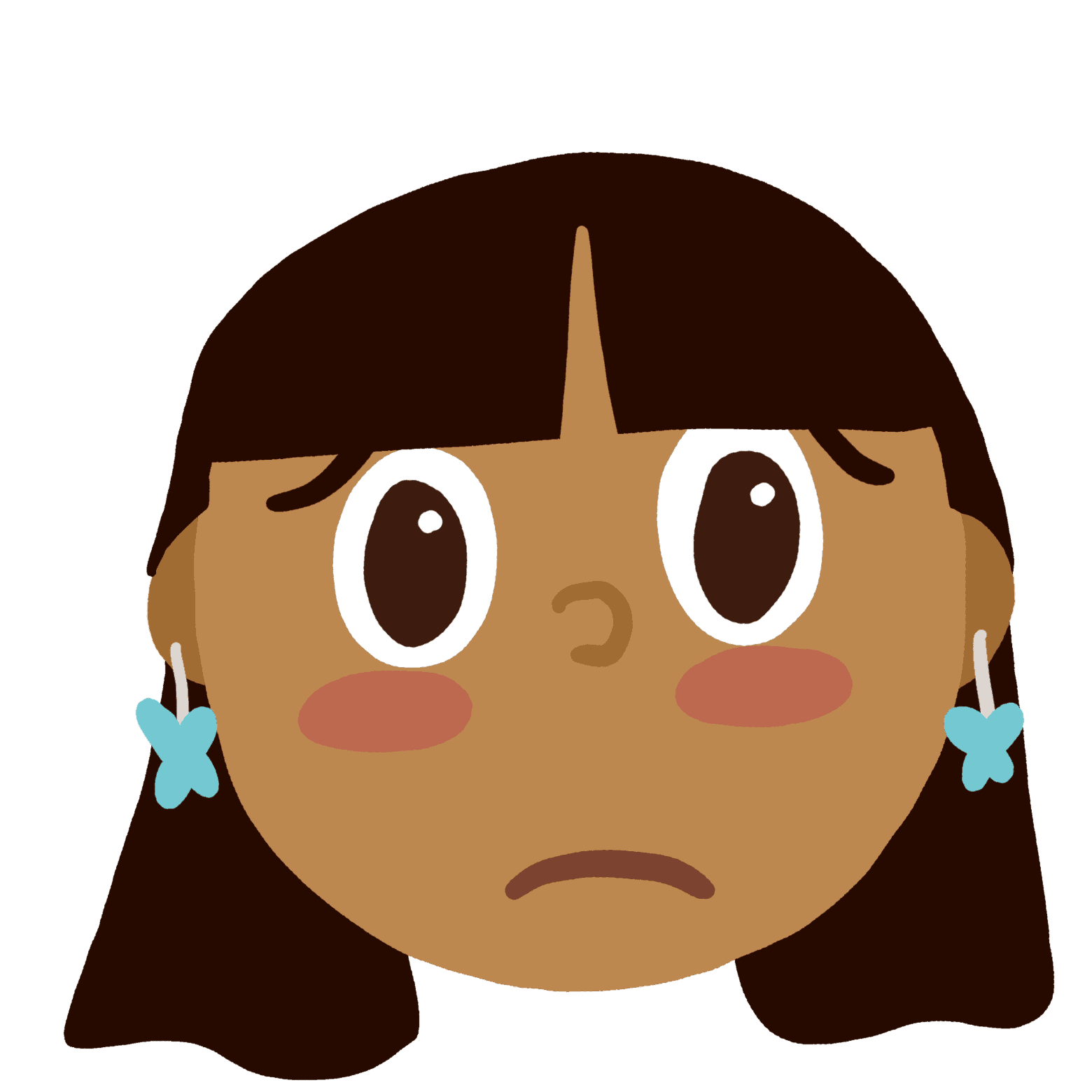
Worried face
Worried
Excited face
Excited
Calm face
Calm

Let's Try Together
Breathe in...
For Little Ones · Ages 3–6

My Feelings Thermometer

How big is your feeling right now? Tap a color to fill up the thermometer and see!

Grown-ups: do this together, "Where are you right now?", and check in again anytime.

For Little Ones · Ages 3–6

Match the Feeling Face

Listen to the little story, then tap the face that shows how they might feel. There are no wrong answers, feelings are just for noticing!

Grown-ups: read each story out loud and let your child point to a face.
Which face shows how they feel?

🌟

You did it!

You're so good at noticing feelings. Every feeling is okay to have, and you can always tell a grown-up how you feel.

For Little Ones · Ages 3–6

Feelings Come From Things

Things that happen can give us feelings! Tap something that happens and see what feeling it might bring.

Grown-ups: talk about each one together, "When has that happened to you?"
This might make you feel...
Bubble Breathing

Blow a Calm Bubble

Big feelings get smaller when we breathe. Let's blow a bubble together!

Ready?
🙂

Grown-ups: breathe along out loud together, your calm helps their calm.

For Parents & Caregivers

Helping Your Little One With Big Feelings

These tools work best with you nearby. At this age, children borrow your calm to find their own, so the most powerful thing on this page is you.

The one big idea Little kids can't calm down by being told to. They calm down by co-regulating, feeling your steady presence. Sit close, slow your own breath, and let the tools give you something to do together.

Use them in calm moments, not just hard ones. A child who has "planted feelings" in the garden on an easy afternoon will reach for those words more easily during a meltdown. Think of it as practice when the stakes are low.

Keep it short and playful. Two or three minutes is plenty. If they wander off, that's fine, they took what they needed.

Try this: Once a day, ask "Want to plant how you feel?" and do the Feelings Garden together. Plant one for yourself too, and say yours out loud.

Name it before you fix it. Young children need the feeling seen before they can move through it. Naming a feeling literally helps calm the alarm part of the brain.

Get low, soften your voice, and put words to what you see, without arguing them out of it.

"You're so mad the tower fell. That was frustrating. I'm right here."

Then, once they're a little calmer, the tools give you a next step: "Should we blow a calm bubble together?"

Completely okay. Never push a child to pick a "harder" feeling. The goal is that all feelings are allowed here, and safety comes first. Forcing sad or angry can feel like a test.

Instead, model it lightly: plant your own "worried" or "sad" now and then, in a matter-of-fact way, so they learn those feelings are safe to show too.

Try this: "I felt a little worried today, so I'm planting worried. It's a good feeling to notice." No pressure on them to join.

Three golden windows: a calm daily check-in (builds the habit), the early warning stage (you see the storm coming, but they're not gone yet), and the repair moment after a big feeling has passed.

What to skip: the absolute peak of a meltdown. At full intensity, no one can think or learn, that's the time for your calm body and few words, not a screen. Come back to the tools once the wave has crested.

Big feelings, tantrums, fears, and tears are a normal and healthy part of ages 3 to 6. Learning to handle them takes years, and lots of repetition with a caring grown-up.

That said, trust your gut. It may be worth talking to your pediatrician or a children's counselor if you notice: feelings that seem stuck at an extreme most days, a big lasting change after a scary or hard event, aggression or withdrawal that worries you, or that supporting your child is taking a serious toll on you.

Reaching out isn't a sign something is wrong with your child, it's good parenting. Center for Child Counseling is here to help.

Explore other ages
Therapist or pediatrician? See how to use these tools in clinical practice.
For Professionals
💛 💙 💚

You did such a good job noticing your feelings!

Every feeling you have is okay. You can come back and play here any time you want to.

For grown-ups: if your little one is having a hard time, or you'd like support, we're here to help families with exactly this.

With care, from all of us at Center for Child Counseling
Social media & sharing icons powered by UltimatelySocial