

The Feelings Corner
A warm, playful place to explore big and small feelings, with games, tools, and check-ins for every age. Because every feeling makes sense, and no one has to handle the big ones alone.
Find Your Spot
Every feeling, from happy to worried to furious, is a normal part of being human, and learning to notice and name feelings is one of the most important things a child can do. Pick the space that fits, and start exploring. You can always check your feelings "temperature" first.
Little Ones
Kids
Tweens
Teens
My Feelings Thermometer
How big is your feeling right now? Tap a color to fill up the thermometer and see!
How Do You Feel Today?
Every feeling is okay. Tap a face that looks like how you feel, and let's explore it together.

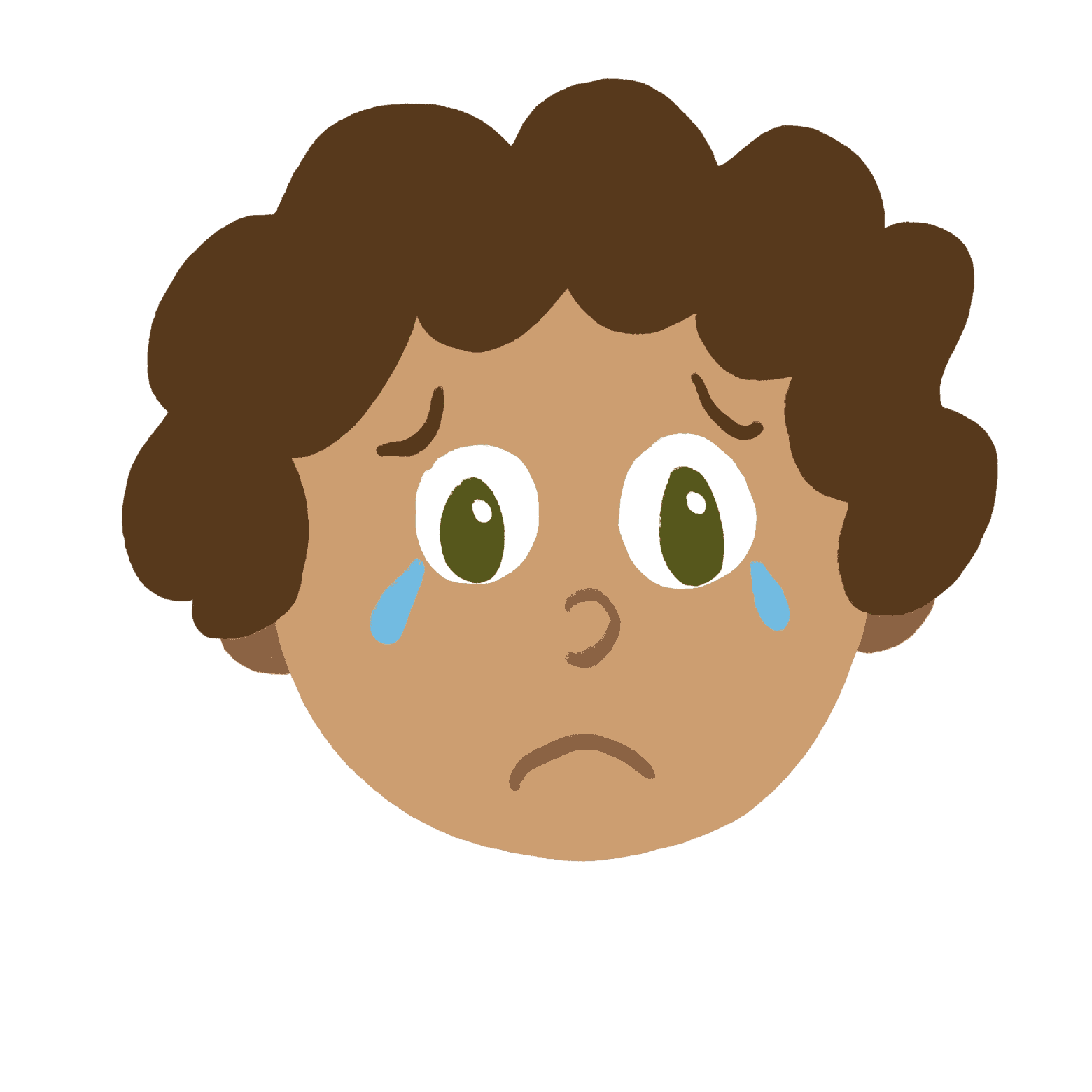




Match the Feeling Face
Listen to the little story, then tap the face that shows how they might feel. There are no wrong answers, feelings are just for noticing!
You did it!
You're so good at noticing feelings. Every feeling is okay to have, and you can always tell a grown-up how you feel.
Feelings Come From Things
Things that happen can give us lots of feelings! Tap something that happens and see what feeling it might bring.
My Feelings Thermometer
Checking your "temperature" helps you notice a feeling before it gets too big. Tap the level that matches how you feel right now, and watch the thermometer.
The Feelings Detective
A good detective knows there's no single right answer when it comes to feelings. Read each story, then pick the feeling (or feelings!) you think fit. Let's investigate!
You're a Feelings Detective!
You investigated every case and named some tricky feelings. Remember: feelings aren't good or bad, and it's normal to feel more than one at once. Naming how you feel is the first step to feeling better, and there's always a trusted grown-up who wants to help.
How Big Is My Feeling?
The same feeling can be teeny or HUGE, and knowing how big it is helps you know what to do. Pick a feeling, then show how big it feels right now.
The Calm-Down Toolbox
When a feeling gets big, your body needs help calming down before your thinking brain can work again. Here are four tools you can use anytime. Pick one and try it!
Balloon Breath
Blow up a pretend balloon and let it go, slow and easy.
High-Five Breath
Trace your hand and breathe up and down each finger.
Squeeze & Release
Squeeze your muscles tight, then let them go floppy.
Countdown
Count slowly from 5 to 1 and feel your body settle.
My Feelings Thermometer
Checking your temperature is a science move: you notice where you are before a feeling takes over. Tap your level, then see what might be underneath and what helps you come back down.
The Iceberg
Here's a secret real scientists of feelings know: the emotion everyone sees on the surface is usually hiding a bigger one underneath, just like an iceberg. Tap a surface feeling to find out what's often really going on below.
Feelings Aren't Facts
Feelings are always real, but they aren't always telling the truth. Usually a fast, automatic thought sets off the feeling, and those thoughts fall into sneaky patterns called thinking traps. Your mission: catch the trap, then find a truer, more helpful way to see it.
Your reframe toolkit
- Catch it: Notice the automatic thought. "What just went through my head?"
- Check it: Is it 100% true? Is it a thinking trap? What would I tell a friend?
- Change it: Find a truer, kinder, more useful way to see it.
What's Really Going On?
Sometimes you know you feel off, but not why. This is a private check-in, just for you. Take your time and answer honestly, and we'll help you dig underneath to figure out what your feelings might be trying to tell you.
Here's what you noticed
A gentle truth
Something to try right now
Reaching out
Where's Your Dial?
Everyone runs at a different level of activation, how wound-up or shut-down your system is right now. Checking it is a real skill: you can't manage what you haven't named. No judgment, just an honest read.
How Are You, Really?
Not the "I'm fine" you tell people, the real answer. This is private, just for you. No accounts, no tracking, no one watching. Just a few honest questions and some real talk back.
Real talk
The honest part
Something that actually helps
On not carrying it alone
Your Regulation Toolkit
When your body's activated, stressed, panicky, furious, spiraling, logic doesn't work yet, because the thinking part of your brain has gone offline. These are real tools to bring it back online. Pick one and actually do it. They work better than they sound.
Box Breathing
5-4-3-2-1 Grounding
Urge Surfing
The Thought Reset
Cool It Down
Burn the Energy
Untangle the Spiral
You know the feeling: one thought grabs you, then another, then another, and suddenly your brain's convinced the worst is true. That's a thought spiral. The good news: spirals can be untangled, and you can learn how. Let's walk through it with whatever's spinning in your head right now.
A spiral starts small, then each thought pulls in the next and it feels bigger and truer the longer it spins. Naming it is how you step off. Ready?
You just stepped off the spiral
The thought you caught
What the check showed
Your wider view
One real next step
If you ever need more than this page
These tools are here for the everyday hard stuff. But if things ever feel like too much, if you're overwhelmed, not safe, or just can't carry it alone, that's exactly when to reach out. It's free, private, and there's always someone who wants to help. No problem is too big or too small.
And one real-world step: think of one adult you trust, a parent, relative, teacher, school counselor, coach, or doctor, and let them know how you've really been. Starting with "Can I talk to you about something?" is enough. You don't have to have the words figured out first.
Supporting the Children & Teens You Care About
The tools above are built for young people to explore on their own. This next part is for you, the parents, caregivers, and professionals who walk beside them. Find practical, HOPE-informed ways to understand what a child is feeling and how to help.
The Feelings Guide
Every feeling your child has is a chance to connect, at every age. Choose a feeling, then choose your child's stage, for practical, real-world ways to help. It's all grounded in our A Way of Being approach: children grow best through safe, caring relationships.
Check Your Own Temperature First
Before the tools for your child, one for you. Children borrow calm from the adults around them, they literally can't regulate a big feeling until yours is steady. So the most powerful thing you can do for your child is notice where you are first.
This isn't about being calm all the time (no one is). It's about noticing, because you can't pour steadiness from an empty cup.
The Clinical Toolkit
A quick-reference for the feelings behind the behavior, organized by clinical cluster and spanning early childhood through adolescence. Each feeling opens a full profile: what it may signal, its developmental arc, relationship-based support, and a three-tier guide to what's expected, what to monitor, and what may warrant screening or referral. Grounded in the HOPE framework and early relational health science.
Using These Tools in Practice
The interactive tools on this page (for little ones through teens) are built for young people to use independently, but they also work well as clinical aids. A few ways to put them to work:
In session
Use The Feelings Detective or The Iceberg as a warm-up or externalizing activity with a child or tween who struggles to name affect. The faces give a shared, low-pressure vocabulary.
How Big Is My Feeling? is useful for building emotional granularity and scaling distress (0–10 work). How Are You, Really? can open a session with a guarded teen, then explore their answers together.
As between-session practice
Assign the Regulation Toolkit (teens) or The Calm-Down Toolbox (kids) as skills practice, breathing, grounding, urge surfing, and review what worked next time. It reinforces coping between visits.
Feelings Aren't Facts and Untangle the Spiral are natural companions to CBT-informed work on cognitive distortions and rumination.
With families
Point caregivers to The Feelings Guide for age-specific, HOPE-informed strategies, a shared language that supports carryover at home.
Use the faces in psychoeducation about co-regulation, the window of tolerance, and layered emotions.
Your Own Regulation & Capacity Check
Before the reference material, a check-in for you. Your regulated presence is the active ingredient in every co-regulation, attunement, and repair you offer. It's also the thing depleted first by trauma-exposed work, and the easiest to stop noticing.
A quick read on your own activation, capacity, and countertransference, because self-monitoring is a clinical skill, not a luxury.
The Approach Behind These Tools
The Feelings Corner grows out of how Center for Child Counseling works with children every day. If it resonated, here are two ways to go further.
A Way of Being with Children
The heart of everything here, a relationship-based, HOPE-informed way of understanding and supporting children's feelings. Learn about the approach, the manuals, and the training behind The Feelings Corner.
Learn About the Approach →The HOPE Assistant
Have a question about a child's feelings or behavior? The HOPE Assistant offers warm, HOPE-informed guidance rooted in the same science that shapes these tools, any time you need a thinking partner.
Ask the HOPE Assistant →