
What Children Really Need to Feel Safe
It's not what you think
We lock the doors. We buckle the seatbelts. We childproof the cabinets. We do everything we can to keep our children physically safe. But the kind of safety that shapes a child's brain, behavior, and future has almost nothing to do with locks — and everything to do with relationships.
Safety, for a child's developing nervous system, isn't about the absence of danger. It's about the presence of connection. A child who feels emotionally safe — who knows that a trusted adult will be there, will notice them, will help them when things feel overwhelming — develops the neural architecture for learning, emotional regulation, and resilience.
A child who doesn't feel that safety? Their brain stays in survival mode. It doesn't matter how good the school is or how structured the routine — a brain on alert can't learn, can't connect, and can't grow the way it's designed to.
The Four S's: What Every Child Needs
Dr. Tina Payne Bryson — the internationally renowned psychotherapist, bestselling author, and keynote speaker at our Lead the Fight initiative — describes four essential experiences that every child needs from their caregivers. She calls them the Four S's:
When a child consistently experiences these four things, something profound happens: they develop what researchers call secure attachment. And secure attachment isn't just a nice-to-have — it's the single strongest predictor of a child's ability to handle stress, form healthy relationships, and thrive throughout their life.
What This Looks Like in Real Life
Attachment theory can sound abstract. But in practice, it shows up in the smallest, most ordinary moments — the ones you might not even think about.
Why This Matters for the Brain
When a child feels safe, seen, soothed, and secure, their nervous system can shift from survival mode to learning mode. The stress response calms. The prefrontal cortex — the part of the brain responsible for problem-solving, empathy, emotional regulation, and decision-making — comes online.
But when a child chronically doesn't feel safe — even if they're physically safe — their brain stays wired for protection. The alarm system stays on. Cortisol stays elevated. And the parts of the brain that handle learning, connection, and emotional growth don't develop the way they should.
A child's brain doesn't ask "Am I safe?" It asks "Does this person make me feel safe?" The answer shapes everything.
This is why the HOPE framework puts Relationships as the very first building block. Not environments. Not programs. Not curriculum. Relationships. Because without a safe, caring relationship at the center, nothing else works the way it should.
What About When You Get It Wrong?
Here's the part that matters most: you don't have to be perfect.
Research on attachment shows that parents don't need to get it right every time — they need to get it right about a third of the time. What matters even more than getting it right is what happens when you get it wrong. Can you repair?
"I'm sorry I snapped at you. That wasn't your fault. I was frustrated about something else." That sentence — offered sincerely — is more powerful than a hundred perfect moments. Because it teaches your child that relationships can bend without breaking. That mistakes are human. That love isn't conditional on perfection.
At Center for Child Counseling, we call this A Way of Being with Children — a way of showing up in relationship that's grounded in attachment science, brain development, and the HOPE framework. It's not about techniques. It's about presence.
When a Child Needs More
For many children, a safe and responsive relationship with a caregiver is enough. But some children have experienced disruptions to that safety — through trauma, loss, neglect, domestic violence, or other adverse childhood experiences — that make it harder for them to trust, connect, and regulate.
That's when professional support can help. Programs like Child First (home-based services for families with children under 6), Infant Mental Health (specialized support for the earliest relationships), and our Child & Family Center (outpatient therapy for children and families) are all designed to rebuild the sense of safety that every child deserves.
If you're wondering whether your child might benefit from support, our What Does My Child Need? guided tool can help you find the right program for your family.
The Bottom Line
The most important thing you can give your child isn't a perfect home, a perfect school, or a perfect schedule. It's you — showing up, paying attention, repairing when things go sideways, and making sure they know, deep in their bones, that someone is there.
Safe. Seen. Soothed. Secure.
That's the foundation. Everything else builds from there.
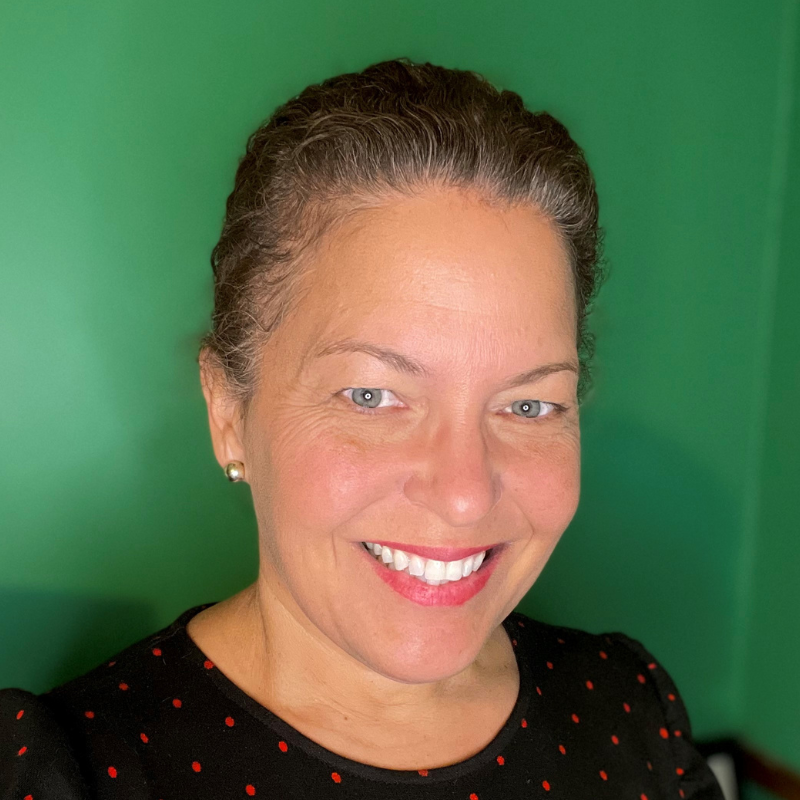
Renée has led Center for Child Counseling since 2013, growing it from a small grassroots agency to one serving over 7,500 children annually across Palm Beach County. With nearly 30 years in children's mental health, she is a certified HOPE Champion through the HOPE National Resource Center at Tufts Medical Center, President of the Florida Association for Infant Mental Health, and author of the updated A Way of Being with Children PreK Manual.
Every Child Deserves to Feel Safe & Supported
Whether you're looking for resources, seeking professional support, or simply trying to understand what your child is going through — we're here to help.